Aadhaar Linking Made Mandatory for LPG Cylinder Refills
The Indian government has mandated Aadhaar linkage for receiving subsidised LPG cylinder refills, impacting millions of households nationwide.
Aadhaar Linking Made Mandatory for LPG Cylinder Refills
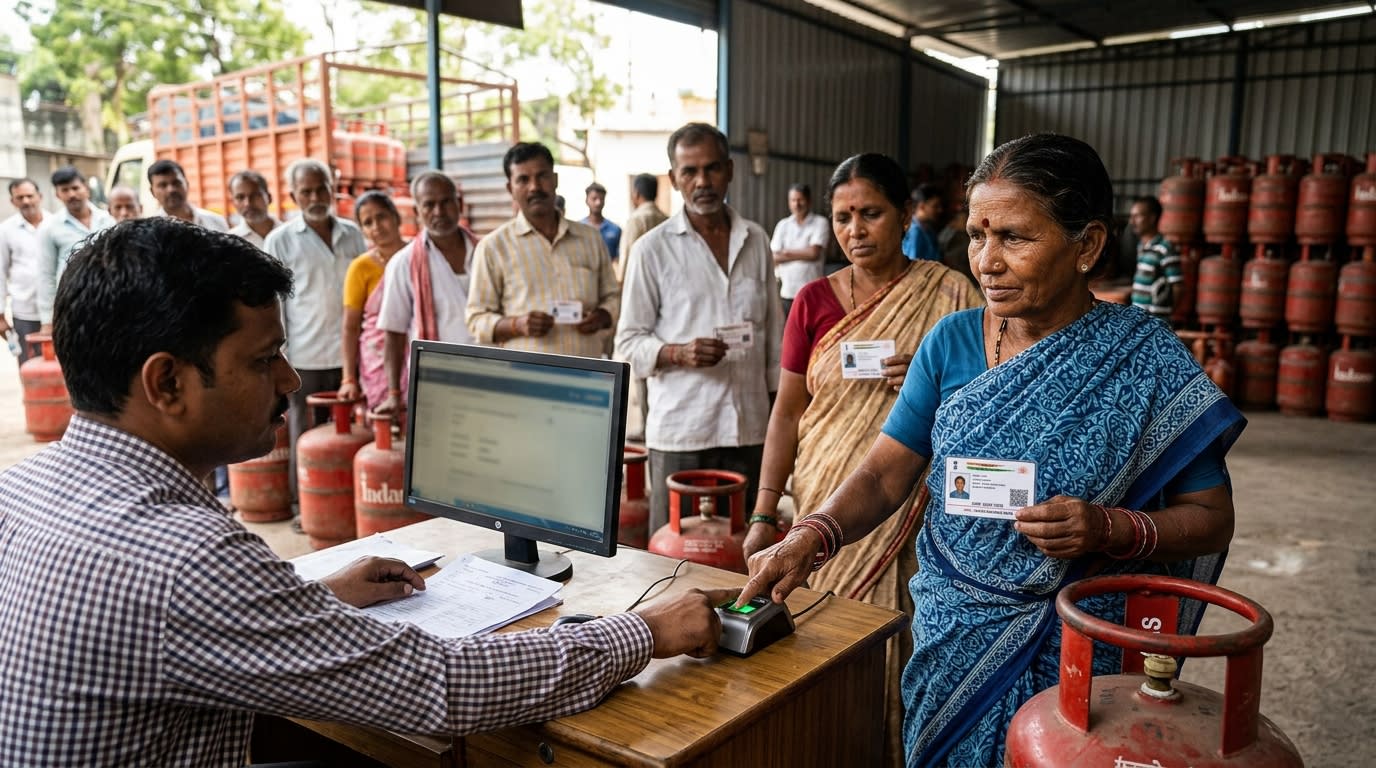
The Indian government has announced a significant policy change, making Aadhaar linkage compulsory for receiving subsidised liquefied petroleum gas (LPG) cylinder refills. This directive, effective immediately, will impact millions of households across the country that rely on subsidised cooking gas. Consumers will now be required to furnish their 12-digit unique identification number to avail of subsequent LPG cylinder deliveries.
The move is primarily aimed at enhancing transparency and curbing the misuse of government subsidies. By mandating Aadhaar for LPG refills, authorities intend to ensure that subsidies reach only the intended beneficiaries, thereby eliminating duplicate connections and fraudulent claims. This initiative is part of a broader push to streamline the distribution of welfare benefits and improve the efficiency of public services.
For existing consumers who have not yet linked their Aadhaar to their LPG connection, it is imperative to complete the process swiftly to avoid any disruption in service. While specific deadlines or grace periods are yet to be widely detailed, consumers are advised to contact their respective LPG distributors or utilise online portals for linking their Aadhaar. The government has consistently advocated for Aadhaar as a key tool for identity verification across various schemes.
This development further underscores the central role of Aadhaar in India's digital governance ecosystem. From banking services to pension schemes and now essential commodities like LPG, the unique identity platform is increasingly becoming a prerequisite for accessing public utilities. The government's objective remains to create a robust and transparent system for benefit delivery, ensuring accountability and reducing leakages in the welfare architecture.

India Aims to Uproot Drug Trade by 2029: Amit Shah

PM Modi to Convene High-Level Meeting to Chart Government's Next Priorities
