Asian Oak Species Face Extinction Threat as Most Lack Botanical Collection Backup
A new study reveals nearly three-quarters of Asian oak species lack live representations in botanical collections, heightening their extinction risk amidst habitat loss.

A recent scientific review has underscored the precarious state of Asian oak species, revealing that a significant majority lack adequate representation in botanical gardens globally. Out of 54 Asian oak species examined, a staggering 40 were found to have no living specimens preserved in any botanical collection, leaving them highly vulnerable to extinction.
This critical gap in ex-situ conservation means that nearly three-quarters of these vital tree species lack a genetic backup outside their natural habitats. Such a situation dramatically increases the risk of permanent loss, especially for species already facing severe environmental pressures. Oaks play a crucial role in diverse ecosystems, providing habitat and sustenance for numerous species, and their decline could have cascading effects on biodiversity.
The primary threats driving these species towards vulnerability are widespread agricultural expansion and extensive logging activities across Asia. These human-driven pressures lead to rapid deforestation and habitat fragmentation, directly impacting the integrity of essential forest ecosystems where these oak species thrive. India, with its rich biodiversity and significant oak populations, particularly in the Himalayan region, faces similar challenges, making these findings particularly pertinent for conservation efforts within the country.
In response to these alarming findings, immediate and concerted conservation efforts are being organised. Scientists and conservationists are prioritising urgent fieldwork and seed collection initiatives across the continent. The overarching goal is to establish managed collections of these endangered species, creating a crucial genetic reservoir. These ex-situ collections are designed not only to safeguard the species from immediate threats but also to facilitate future reintroduction programmes, aiming to restore oak populations to their native environments.

17-Year-Old Innovator Develops Wearable for Vehicle Detection
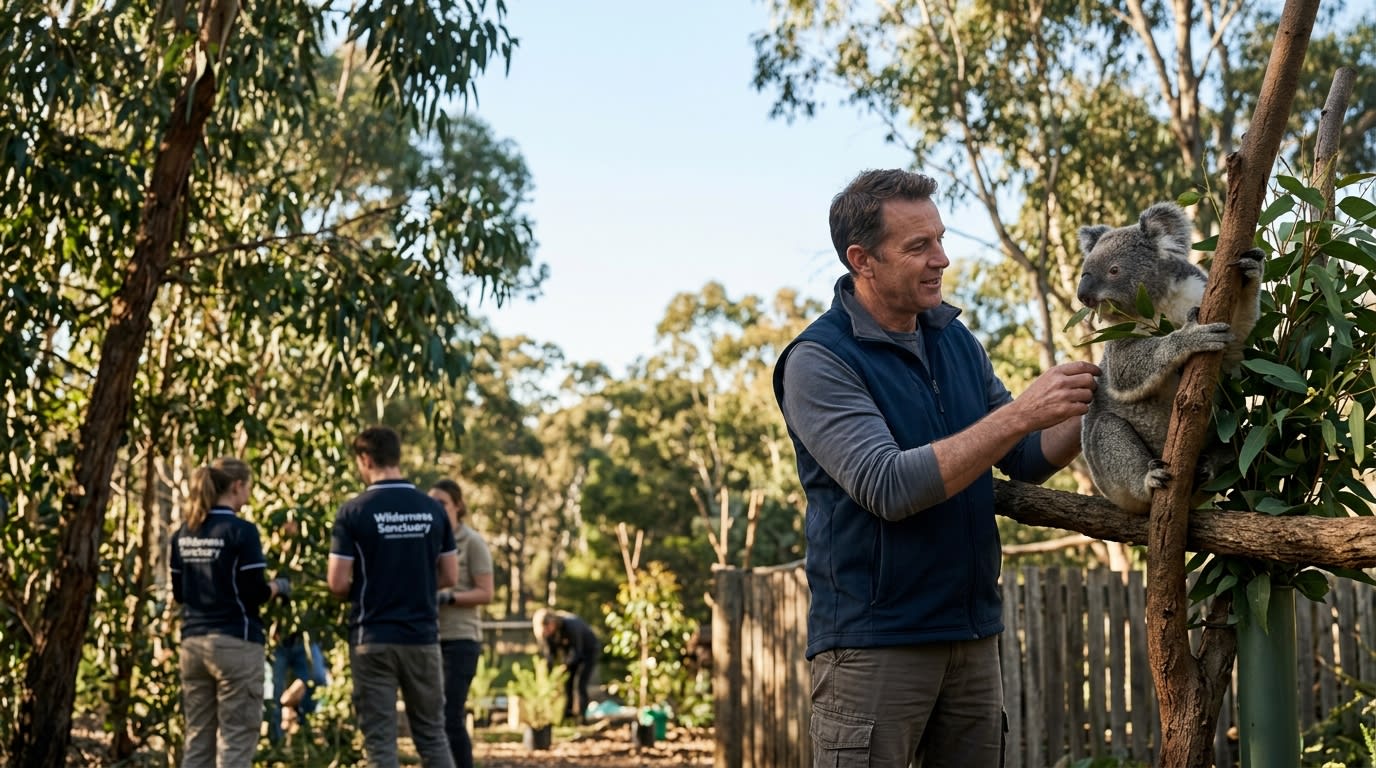
Hugh Jackman Backs Australian Sanctuary Campaign to Protect Koalas