Australia's Christmas Island: Custom Bridges Ensure Safe Passage for Millions of Migrating Red Crabs
On Australia's Christmas Island, millions of red crabs undertake an annual migration to the coast. Authorities have built dedicated bridges and underpasses to ensure their safe journey.

Christmas Island, an Australian territory situated in the Indian Ocean, is home to one of nature's most extraordinary annual spectacles: the mass migration of millions of red crabs. To safeguard these crustaceans during their perilous journey from the island's dense forests to the coast for breeding, authorities have implemented an ingenious solution – dedicated infrastructure including custom-built bridges and underpasses.
Each year, typically coinciding with the onset of the wet season around October or November, an estimated 50 million red crabs emerge from their burrows. Driven by an ancient biological imperative, they embark on an arduous trek towards the ocean to mate and lay eggs. This crucial migration previously posed significant challenges, particularly as it often involved crossing busy roads, leading to substantial crab fatalities due to vehicular traffic.
Recognising the profound ecological importance of the red crab population and the need to protect this unique phenomenon, the Australian government, through its National Parks agency, has constructed a comprehensive network of specialised pathways. These include purpose-built crab bridges that span roads and a series of underpasses, enabling the crabs to navigate safely without encountering vehicles. Fencing is also strategically erected along road sections to funnel the crabs towards these secure crossings.
These innovative conservation efforts have proven largely successful in mitigating the risks associated with the migration. The remarkable sight of millions of crabs traversing these custom-built structures has become a celebrated event, drawing nature enthusiasts and underscoring the commitment to preserving the island's unique biodiversity. The initiative stands as a compelling example of how human engineering can effectively coexist with and protect vital natural wildlife cycles.

17-Year-Old Innovator Develops Wearable for Vehicle Detection
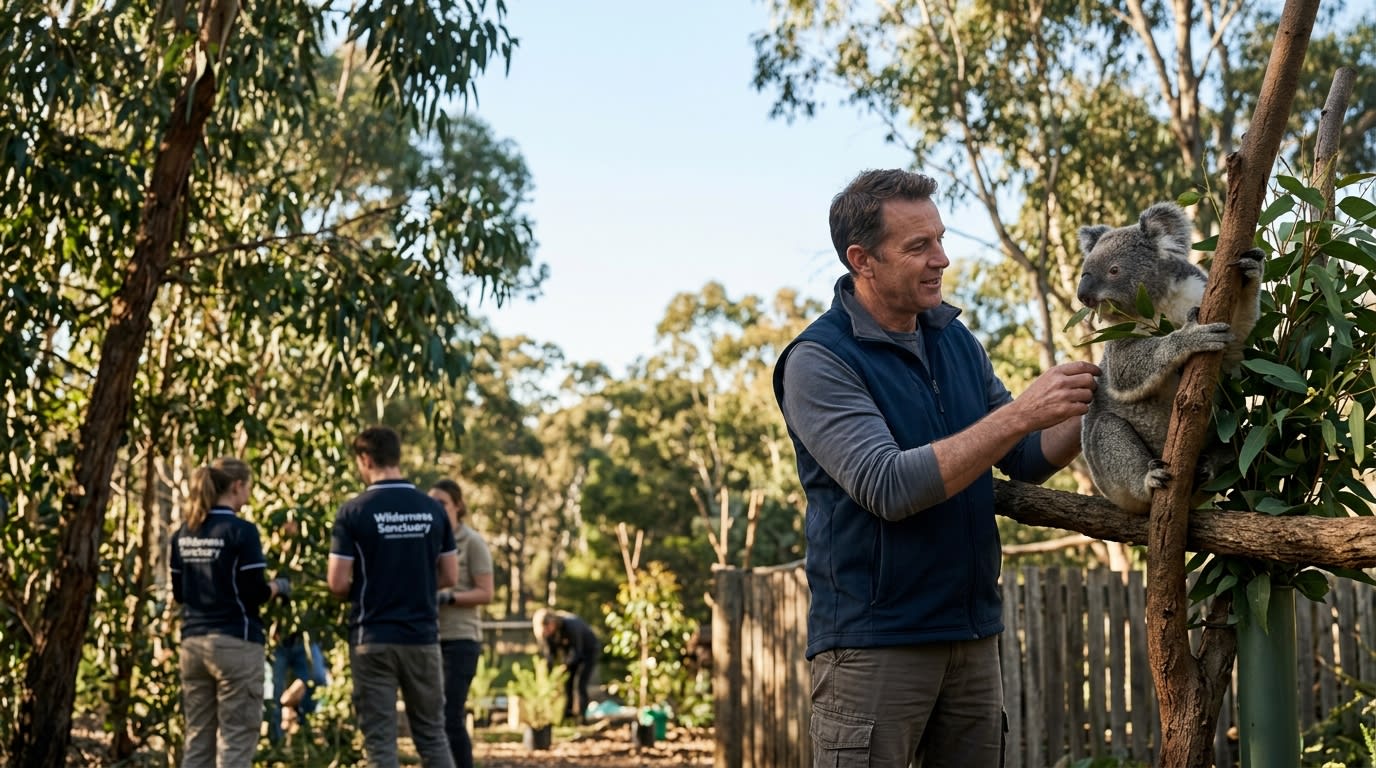
Hugh Jackman Backs Australian Sanctuary Campaign to Protect Koalas