Bagworm Caterpillars: Nature's Ingenious Architects with Portable Homes
Bagworm caterpillars exhibit a remarkable survival strategy, constructing portable shelters from silk and natural debris, which they carry everywhere.
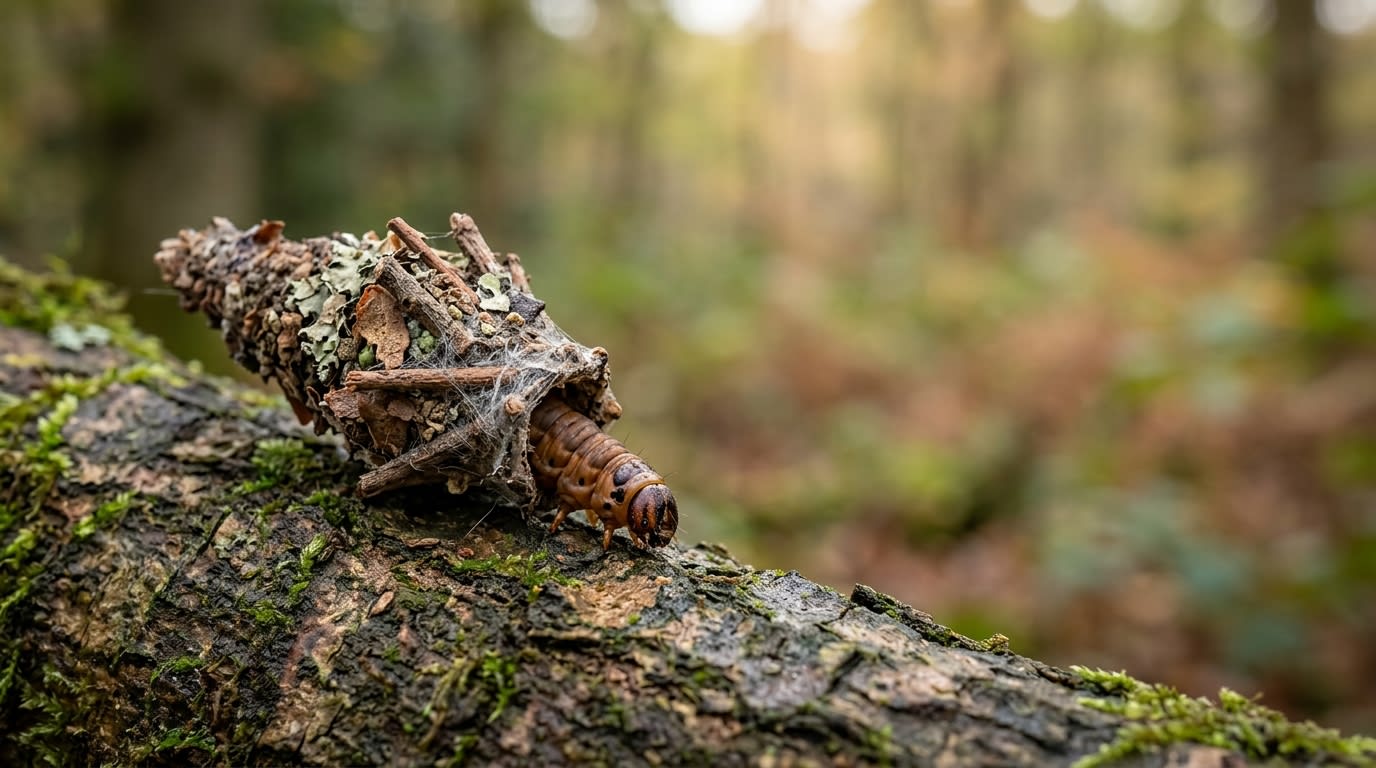
In the fascinating world of insects, the bagworm caterpillar stands out for its extraordinary method of self-preservation. These tiny creatures are renowned for building and carrying a unique, portable dwelling on their backs throughout their larval stage, a feat of natural engineering that offers both protection and disguise.
The construction process is intricate and begins with the caterpillar spinning silk, a natural fibre produced by its own body. This silk acts as the foundational adhesive, binding together various environmental elements such as leaves, twigs, and other plant fragments. The resulting structure forms a robust, cocoon-like case that envelops the caterpillar, creating a mobile sanctuary.
This ingenious 'house' serves multiple vital functions. Primarily, it acts as a physical shield against predators, making the soft-bodied caterpillar difficult to reach. Secondly, the case provides excellent camouflage. By incorporating materials from its immediate surroundings, the bagworm effectively blends into its habitat, becoming virtually indistinguishable from the plant matter it resides on.
As the caterpillar grows, so does its protective casing. The insect continuously adds more material to the exterior of its dwelling, ensuring it remains a snug fit while offering expanded coverage. Some species are particularly adept at arranging small sticks, creating structures that remarkably resemble miniature log cabins, further enhancing their ability to merge with their environment.
This remarkable adaptation by the bagworm caterpillar underscores the diverse and often surprising survival strategies found in the natural world. It highlights how even the smallest creatures employ sophisticated methods to navigate their ecosystems, ensuring their lineage continues amidst environmental challenges.

17-Year-Old Innovator Develops Wearable for Vehicle Detection
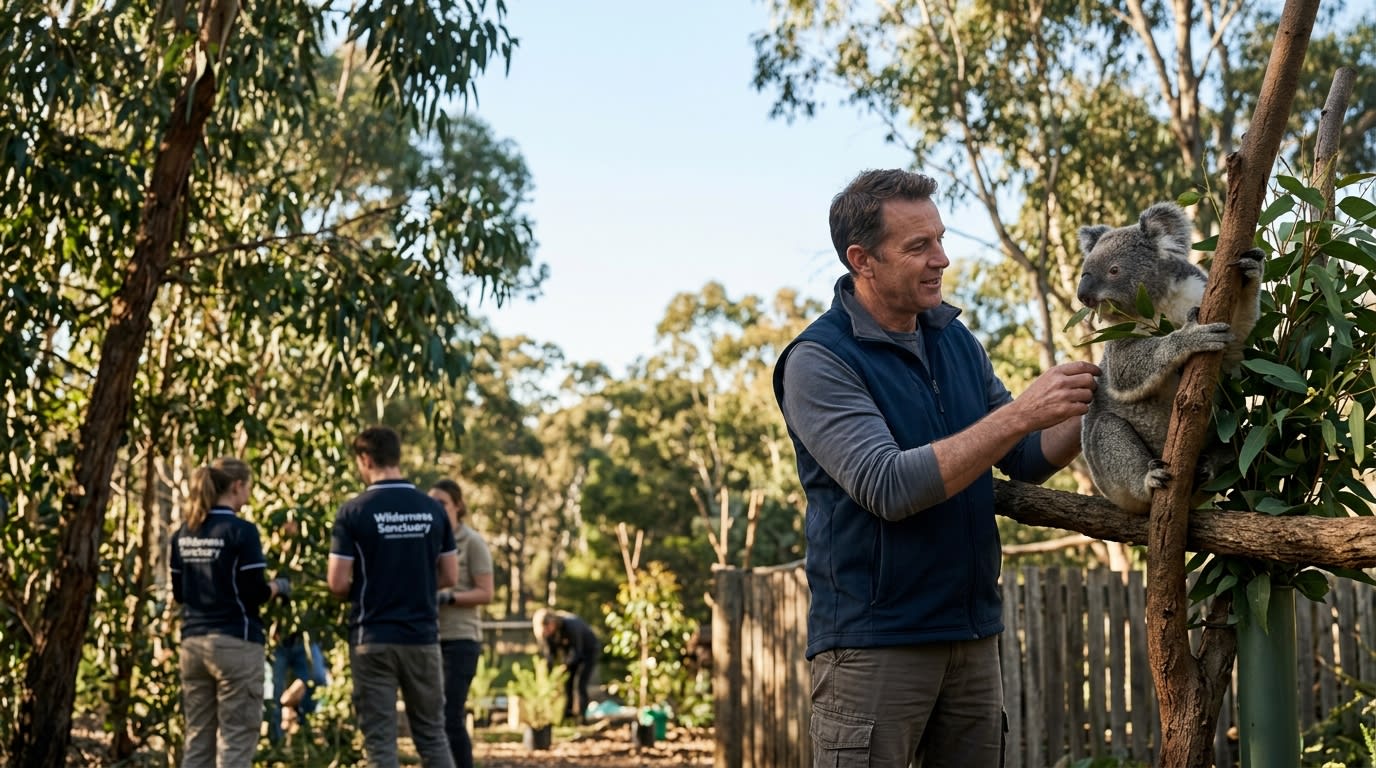
Hugh Jackman Backs Australian Sanctuary Campaign to Protect Koalas