Black Pine Jewel Beetles Use Heat, Smoke to Find Wildfires
Black pine jewel beetles possess extraordinary sensory organs, including infrared sensors, allowing them to detect and locate wildfires from afar for reproduction.

In a fascinating display of natural adaptation, scientists have shed light on how black pine jewel beetles, known scientifically as Melanophila acuminata, possess an extraordinary ability to locate wildfires. These insects are equipped with highly specialised sensory organs that allow them to detect burning forests from considerable distances, a crucial skill for their survival and reproductive cycle.
Research indicates that these remarkable beetles employ a combination of heat, smoke, and infrared radiation detection to pinpoint active blazes. They possess unique infrared receptors that can sense the thermal emissions from fires, often many kilometres away. Additionally, their antennae are highly sensitive to specific chemical compounds released into the atmosphere during combustion, guiding them towards the smoke plumes.
This unusual attraction to fire is not merely a curiosity but a fundamental aspect of their life cycle. Female black pine jewel beetles lay their eggs exclusively in wood that has been recently charred by wildfires. The burnt wood provides an ideal environment for their larvae to develop, as it is often free from predators and competition from other insect species that cannot withstand the intense heat or the altered habitat. This strategy ensures a safe nursery for the next generation.
The incredible sensory capabilities of the black pine jewel beetle offer valuable insights into the extremes of biological adaptation. Such studies contribute to a broader understanding of evolutionary processes and how species adapt to challenging environments. While these specific beetles are not native to India, the scientific principles behind their unique survival mechanisms resonate globally, underscoring the marvels of biodiversity that scientists worldwide, including those in India, continue to explore and learn from.

17-Year-Old Innovator Develops Wearable for Vehicle Detection
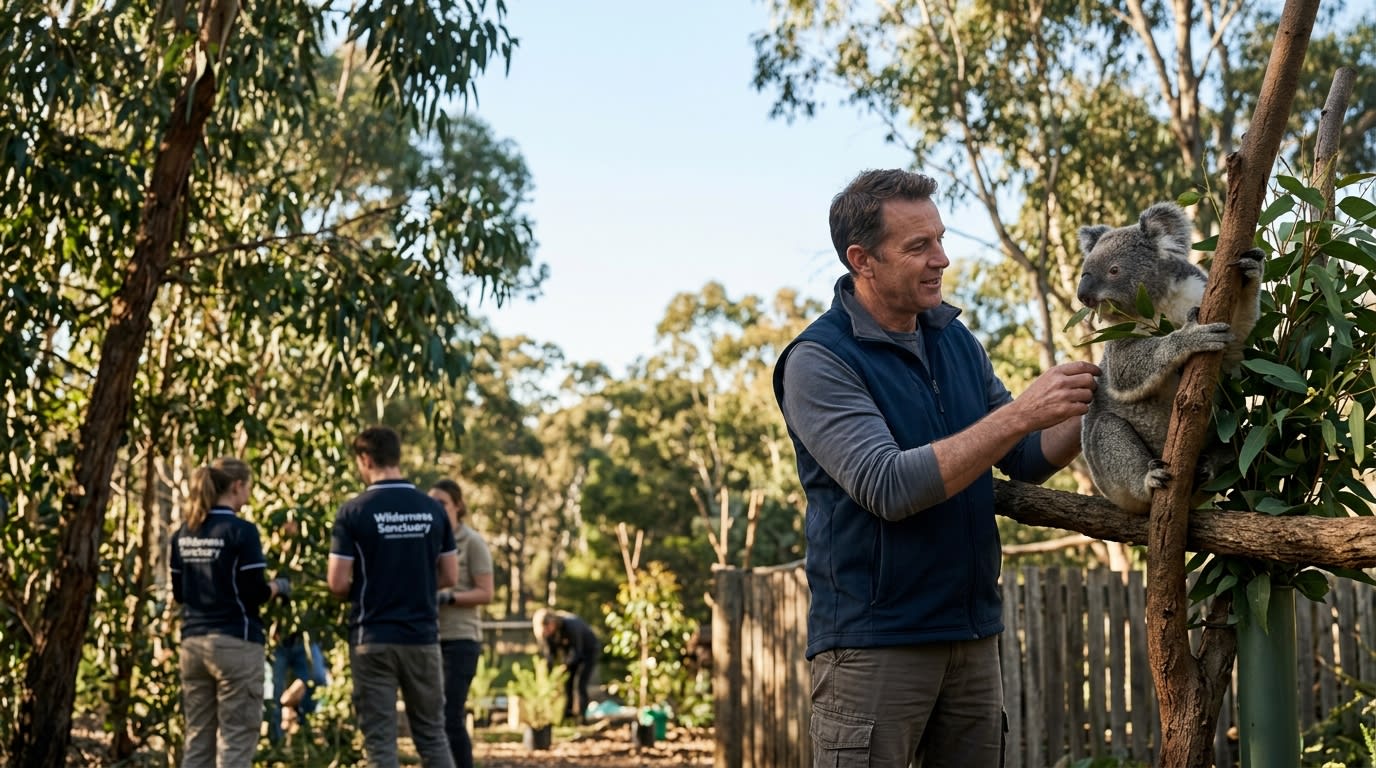
Hugh Jackman Backs Australian Sanctuary Campaign to Protect Koalas