Brazilian Scientists Develop Atomic Fingerprinting to Combat Amazon Illegal Logging
Brazilian researchers have pioneered an isotopic mapping technique using atomic signatures to trace timber origins, significantly aiding the fight against illegal logging in the Amazon.

New Forensic Tool Targets Amazon's Illegal Timber Trade
Brazilian scientists have introduced a groundbreaking forensic technique designed to combat the pervasive issue of illegal logging in the Amazon rainforest. This innovative method utilises atomic fingerprinting, an isotopic mapping model, to precisely trace the geographical origin of timber, offering a powerful new weapon against environmental crime.
The core of this technology lies in analysing the unique atomic signatures present within trees. Through stable isotope analysis, researchers can create a secure chemical fingerprint for wood samples. This scientific approach allows investigators to accurately determine where a piece of timber originated, making it significantly harder for illegally harvested wood to be laundered into legitimate supply chains.
Currently, the model demonstrates remarkable efficacy, capable of eliminating up to ninety-two percent of the Amazon rainforest as a potential source for illicit timber. This high degree of accuracy provides law enforcement agencies with robust evidence, bolstering their investigations into timber trafficking and aiming to substantially diminish global timber crime.
The development holds significant implications beyond Brazil, offering a potential blueprint for forest conservation efforts worldwide. For countries like India, which are major participants in the global timber market and committed to climate action, such advancements underscore the importance of sustainable resource management and transparent supply chains. Innovations like these are crucial in the collective global endeavour to protect vital forest ecosystems and mitigate the impacts of climate change.

17-Year-Old Innovator Develops Wearable for Vehicle Detection
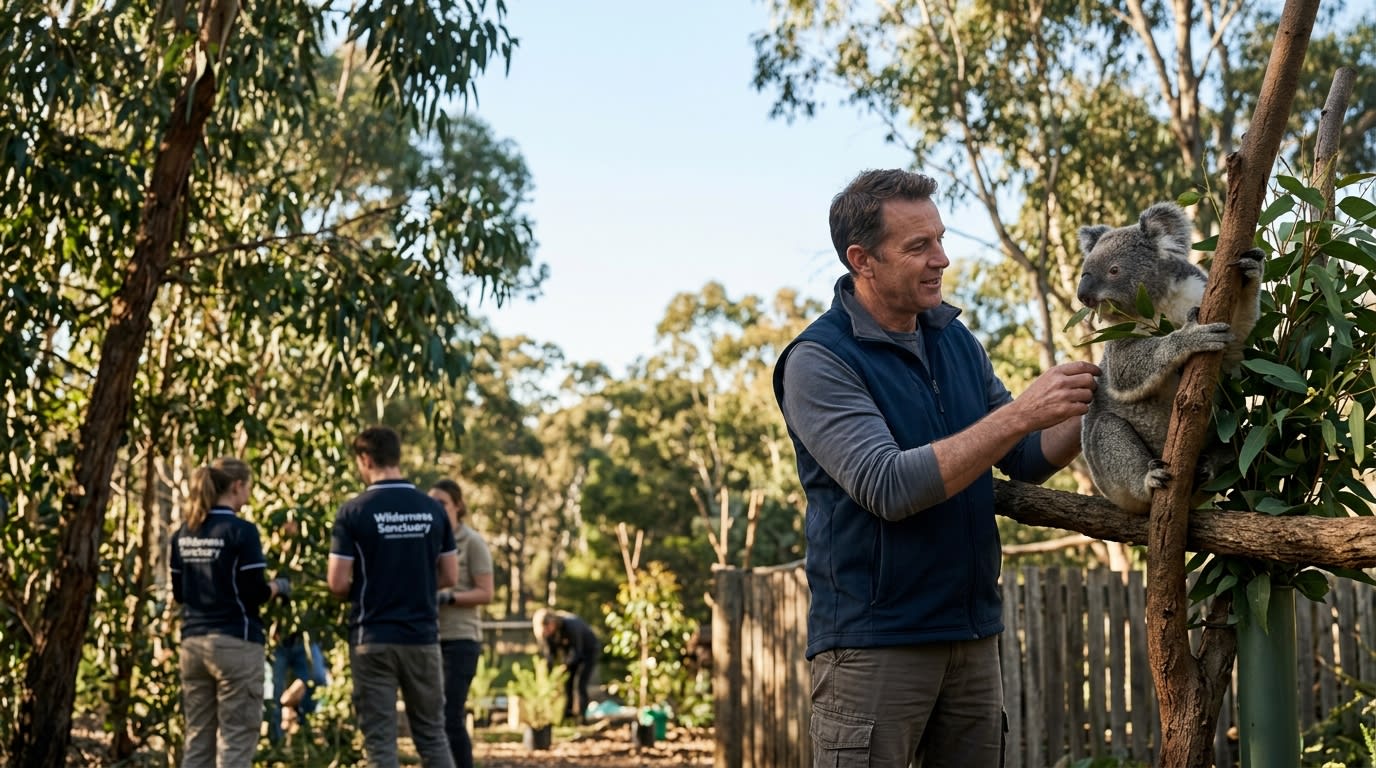
Hugh Jackman Backs Australian Sanctuary Campaign to Protect Koalas