Britain's Wasp Population Dips, Prompting Ecological Concerns
Researchers in the UK are reporting an unusual scarcity of wasps this summer, posing challenges for scientific study and highlighting broader environmental shifts.
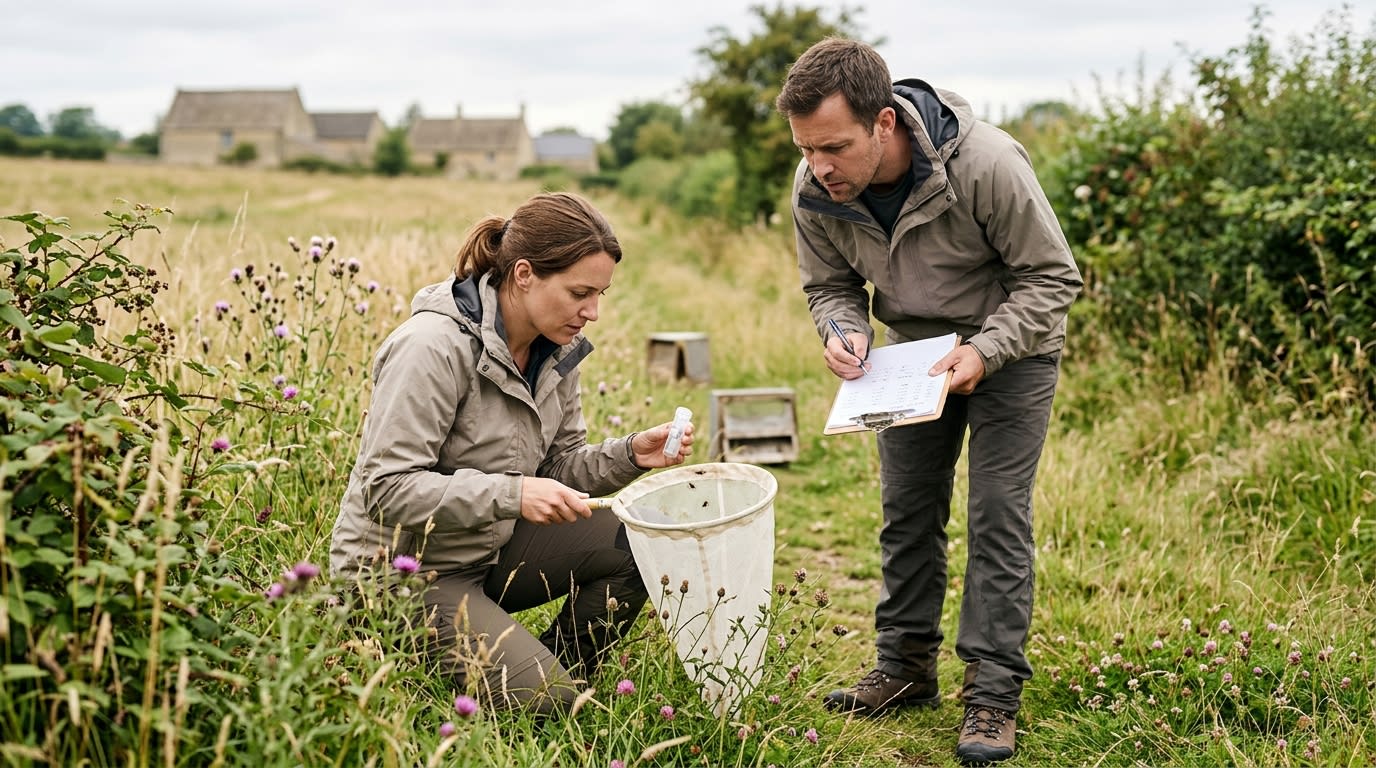
Reports from the United Kingdom indicate an unusual and concerning scarcity of wasps across the nation this summer. Scientists and researchers tasked with monitoring insect populations are reportedly struggling to locate these common hymenopterans, suggesting a significant drop in their numbers compared to previous years. This unexpected decline has raised questions among the scientific community regarding its potential causes and wider ecological implications.
Wasps, often perceived merely as pests, play a vital, albeit frequently misunderstood, role in their ecosystems. They are natural predators, helping to control populations of other insects that can be detrimental to agriculture and gardens. Furthermore, some species contribute to pollination, acting as secondary pollinators for various plants. Their sudden disappearance could disrupt these delicate ecological balances, impacting both natural environments and human activities.
While the precise reasons for this year's marked reduction in Britain's wasp population are currently under investigation, experts suggest several factors could be at play. Broader trends impacting insect populations globally, such as climate change leading to altered weather patterns, habitat loss due to urbanisation and intensive farming, and the widespread use of pesticides, are frequently cited as potential contributors to such declines. However, specific data for this particular event is yet to emerge.
The struggle faced by entomologists in finding wasps underscores the challenges in monitoring insect biodiversity and understanding the intricate web of life. Such observations in one part of the world serve as a crucial reminder of the interconnectedness of global ecosystems. For India, a nation rich in biodiversity and heavily reliant on agriculture, monitoring and understanding insect populations, including pollinators and natural pest controllers, is equally critical for ecological health and food security.
This unusual scarcity highlights the urgent need for comprehensive research and long-term monitoring programmes to ascertain the extent of the decline and its potential ripple effects. Understanding the drivers behind such population shifts is essential for developing effective conservation strategies, not just for wasps, but for the myriad of insects that underpin healthy ecosystems worldwide.

17-Year-Old Innovator Develops Wearable for Vehicle Detection

Hugh Jackman Backs Australian Sanctuary Campaign to Protect Koalas