Chesapeake Bay's Oyster Revival: A Century-Old Lesson in Ecological Restoration
A peculiar 1898 discovery of dentures embedded with an oyster offers a rare glimpse into Chesapeake Bay's once-thriving ecosystem, now a focus of major restoration efforts.

A curious find from 1898 in the Chesapeake Bay — a set of dentures remarkably adorned with a living oyster — serves as a vivid reminder of a bygone era when the American estuary teemed with marine life. This unusual artefact underscores a period when the bay's oyster populations were so vast and robust that they played a pivotal role in maintaining the health and clarity of its waters, an ecological balance that has since been severely disrupted.
Historically, these bivalve molluscs acted as indispensable natural filters, capable of cleansing the entire bay's water in a matter of days. Their prodigious numbers ensured a pristine aquatic environment, supporting a rich biodiversity. However, the ensuing decades witnessed a dramatic decline in these vital oyster beds, primarily due to relentless overfishing and unchecked pollution. This relentless exploitation significantly compromised the bay's natural filtering capacity, leading to a noticeable deterioration in water quality.
Today, extensive conservation initiatives are underway across the Chesapeake Bay to reverse this environmental degradation. Scientists and conservationists are working diligently to restore the oyster populations, recognising their critical role in the ecosystem. The objective is not just to bring back the oysters but to revive the entire aquatic habitat, ensuring a healthier future for one of America’s most significant estuaries.
While geographically distant, the Chesapeake Bay's journey from ecological abundance to decline and now, focused restoration, offers valuable lessons for India. Our own coastal regions and marine ecosystems, which face similar pressures from pollution and unsustainable practices, could benefit from understanding such large-scale conservation efforts. The story highlights the imperative of protecting our natural filters and biodiversity, ensuring the long-term health of India's invaluable aquatic resources for future generations.

17-Year-Old Innovator Develops Wearable for Vehicle Detection
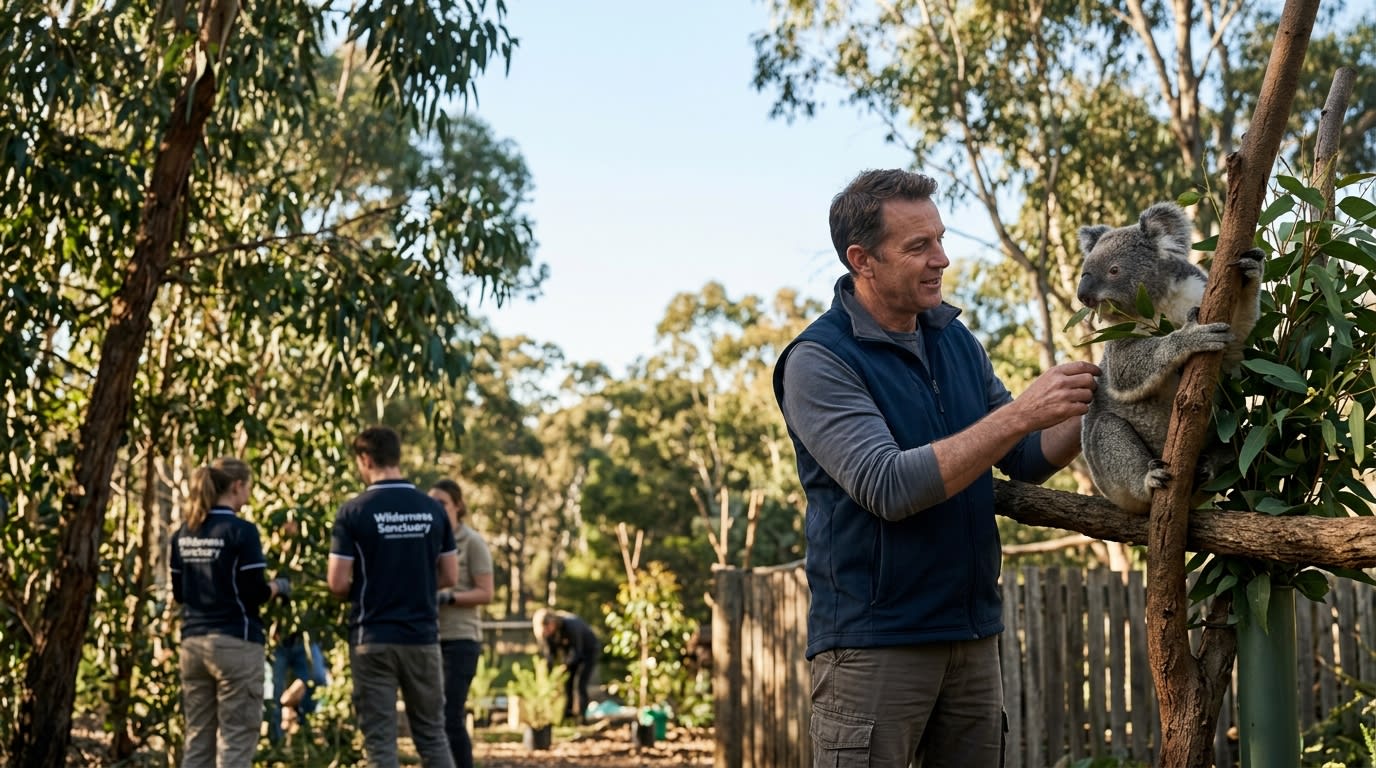
Hugh Jackman Backs Australian Sanctuary Campaign to Protect Koalas