El Niño's Paradox: Cities Drenched Amidst Monsoon Deficit
Despite an overall weak monsoon linked to El Niño, several Indian cities experienced intense flooding from localised weather systems, highlighting climate complexities.
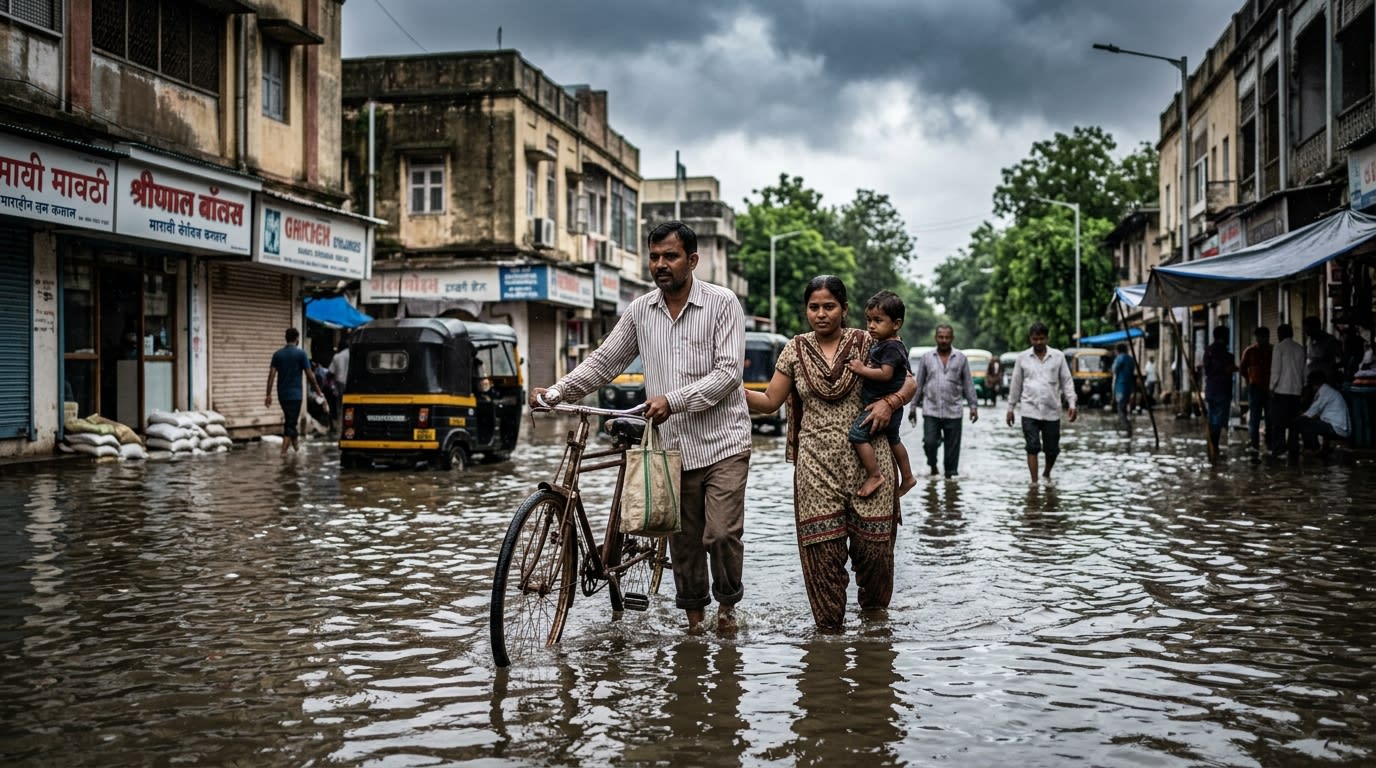
India's monsoon season this year presented a paradoxical scenario, with many regions experiencing a significant rainfall deficit, often linked to the El Niño phenomenon, even as several urban centres grappled with intense waterlogging from localised heavy downpours. This unusual pattern has highlighted the complex and increasingly unpredictable nature of the country's lifeline weather system.
Traditionally, the presence of El Niño, characterised by the warming of surface waters in the eastern Pacific Ocean, is associated with a weakening of the Indian monsoon, leading to reduced rainfall across the subcontinent. Such conditions typically raise concerns for India's vast agricultural sector, which heavily relies on seasonal rains for irrigation and crop yields.
However, despite the overarching trend of a deficient monsoon across many parts of the country, specific weather systems, particularly low-pressure areas and depressions forming over the Bay of Bengal or Arabian Sea, brought concentrated deluges to certain cities. These systems acted as localised rain-bearing mechanisms, resulting in sudden, intense spells that quickly overwhelmed urban infrastructure, leading to street flooding and disruption.
This uneven distribution of rainfall means that while some agricultural areas continued to face drought-like conditions, requiring careful water management strategies, other urban agglomerations struggled with the immediate challenges of excessive water. The "drenching" of cities, therefore, occurred not as a sign of an abundant monsoon, but rather due to intense, short-duration events within a generally weaker season.
The season underscores the critical need for robust urban planning and improved drainage systems to cope with extreme weather events, which are becoming more frequent. It also reinforces the importance of advanced meteorological forecasting to better prepare for the dual challenges of overall rainfall scarcity and localised flooding that characterise India's evolving climate patterns.

India Aims to Uproot Drug Trade by 2029: Amit Shah

PM Modi to Convene High-Level Meeting to Chart Government's Next Priorities
