Greenland, Antarctica Shed 11,309 Billion Tonnes of Ice Since 1979, Global Sea Levels Rise
A new assessment reveals Greenland and Antarctica have lost a staggering 11,309 billion tonnes of ice since 1979, raising global sea levels by 31.4 mm.
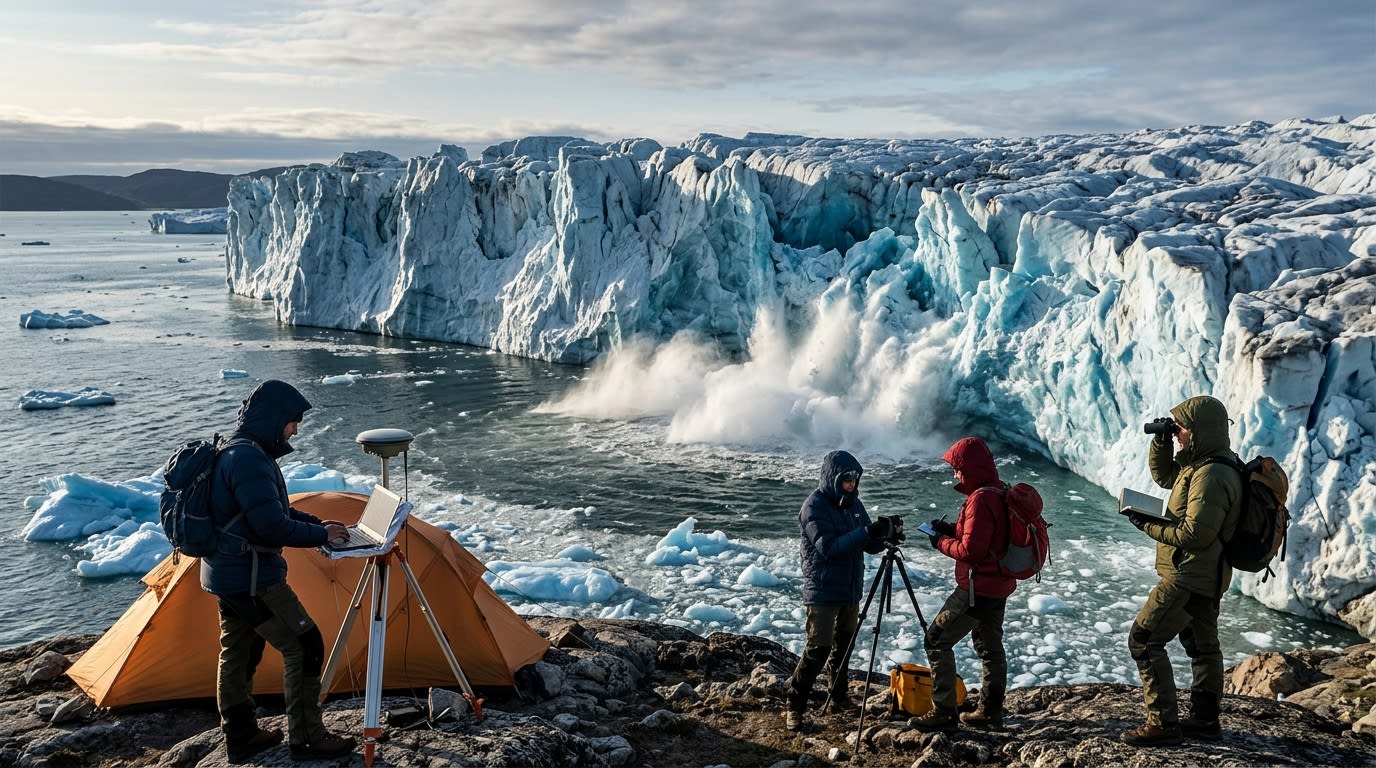
A recent scientific assessment has revealed a staggering loss of ice from the polar regions of Greenland and Antarctica, amounting to 11,309 billion tonnes since 1979. This significant melt has contributed to a global sea-level rise of 31.4 millimetres, underscoring the profound impact of climate change on Earth's delicate ecosystems. The findings highlight the critical role these ice sheets play in regulating global sea levels.
The assessment indicates that the majority of this ice loss, approximately 84%, can be attributed to the accelerated flow of glaciers. These massive rivers of ice are moving more rapidly towards the oceans, shedding ice at an increased rate. Surface melting, caused by rising atmospheric temperatures, accounted for the remaining 16% of the total ice mass reduction over the past four decades. Scientists emphasise that warming ocean waters are a primary driver behind the observed changes in polar ice dynamics.
This continuous reduction in polar ice has long-term implications for coastal communities worldwide. The 31.4 mm increase, while seemingly small, adds to the cumulative effect of thermal expansion of water and other factors contributing to rising sea levels. Experts warn that this trend is set to continue, posing a serious challenge to low-lying areas and island nations.
For India, a nation with an extensive coastline stretching over 7,500 kilometres, the implications are particularly concerning. Rising sea levels threaten major coastal cities, agricultural lands, and critical infrastructure with increased flooding, erosion, and saltwater intrusion. Coastal communities, especially those in vulnerable regions like the Sunderbans, face potential displacement and livelihood loss, making the global phenomenon of polar ice melt a direct concern for the country's future.

17-Year-Old Innovator Develops Wearable for Vehicle Detection
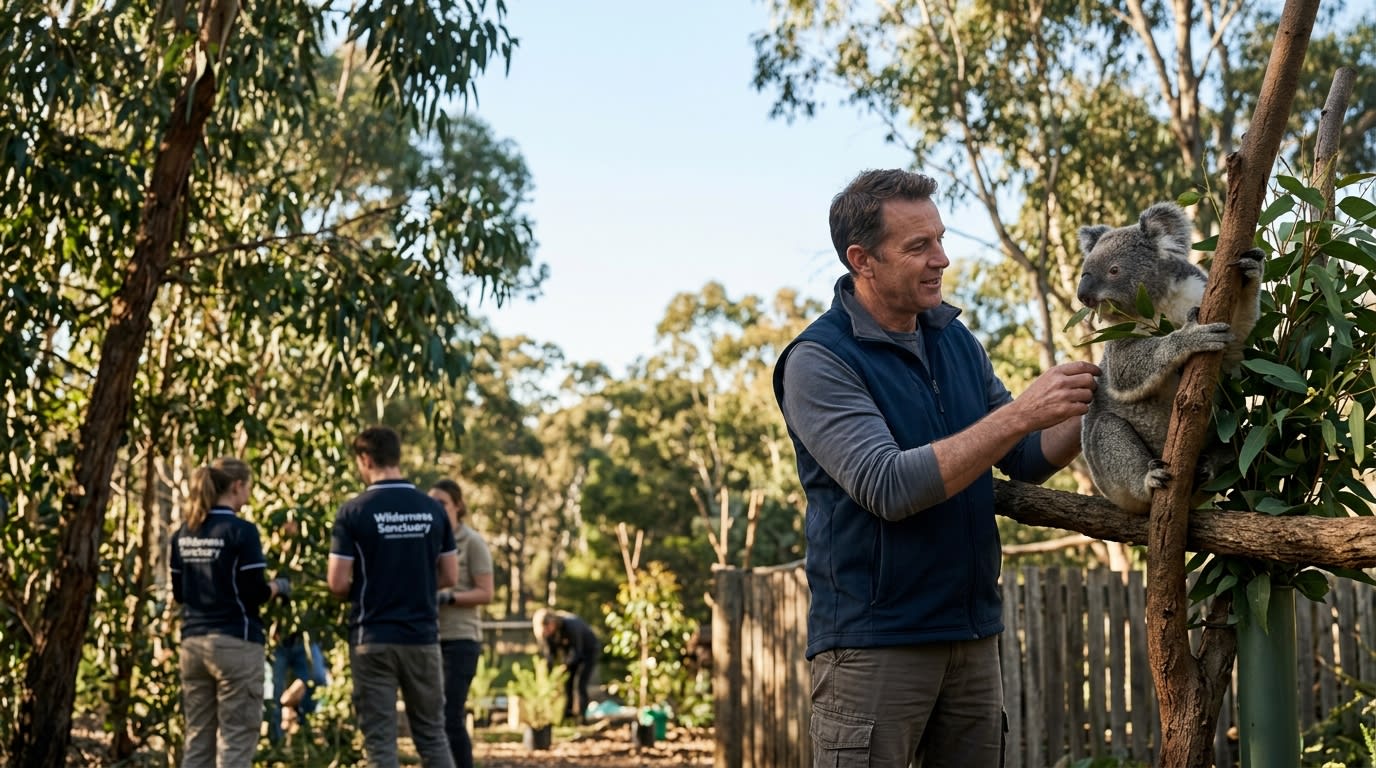
Hugh Jackman Backs Australian Sanctuary Campaign to Protect Koalas