Groundbreaking Study Maps Snake Spines, Offers New Insights into Evolution
A recent international study has redefined snake anatomy, categorising their spines into five distinct regions. Findings reveal a surprisingly short neck and a newly identified middle thoracic area cr

International researchers have made a significant discovery regarding snake anatomy, identifying five distinct anatomical regions along their vertebral columns. This groundbreaking study, which examined the spines of 13 Australian snake species, offers a fresh perspective on the evolutionary history and remarkable adaptability of these limbless reptiles. The findings challenge previous understandings and provide a more nuanced view of snake skeletal structure.
Among the surprising revelations is the identification of a remarkably short neck region in snakes. This characteristic is believed to be a reflection of their ancestral lineage, tracing back to lizards. The research suggests that the reduction in neck length is a key evolutionary trait, distinguishing snakes from their four-legged predecessors and highlighting a fundamental shift in their body plan over millions of years.
Crucially, the study also pinpointed a previously unrecognised middle thoracic region within the snake spine. This newly discovered segment is highly adapted for movement, playing a vital role in enhancing snakes' diverse capabilities. It facilitates efficient burrowing, agile swimming, and adept climbing, showcasing the intricate specialisation of their musculoskeletal system for various environmental interactions.
The research underscores a pivotal aspect of snake evolution: their skeletons have undergone significant structural reorganisation rather than simply adapting after the loss of limbs. This suggests a more complex evolutionary pathway where the entire body plan was re-engineered to support their unique modes of locomotion and survival. Such detailed anatomical insights are vital for understanding biodiversity globally, including the rich snake populations found across India, and contribute to broader biological research.

17-Year-Old Innovator Develops Wearable for Vehicle Detection
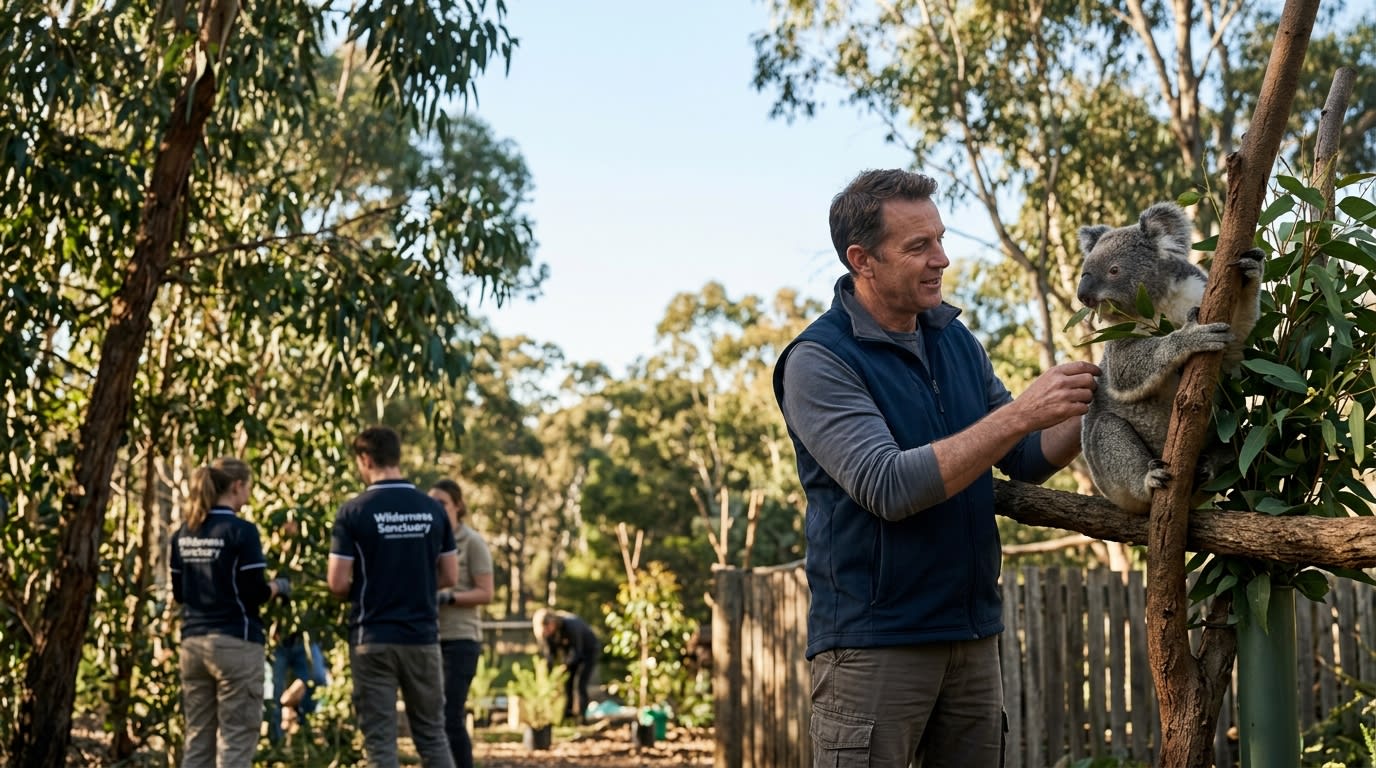
Hugh Jackman Backs Australian Sanctuary Campaign to Protect Koalas