Harvard Students Develop Rapid Concussion Screening Headset, Holds Promise for Indian Sports
Harvard University students have developed an award-winning headset capable of screening athletes for concussions in just 60 seconds, a breakthrough for sports medicine.
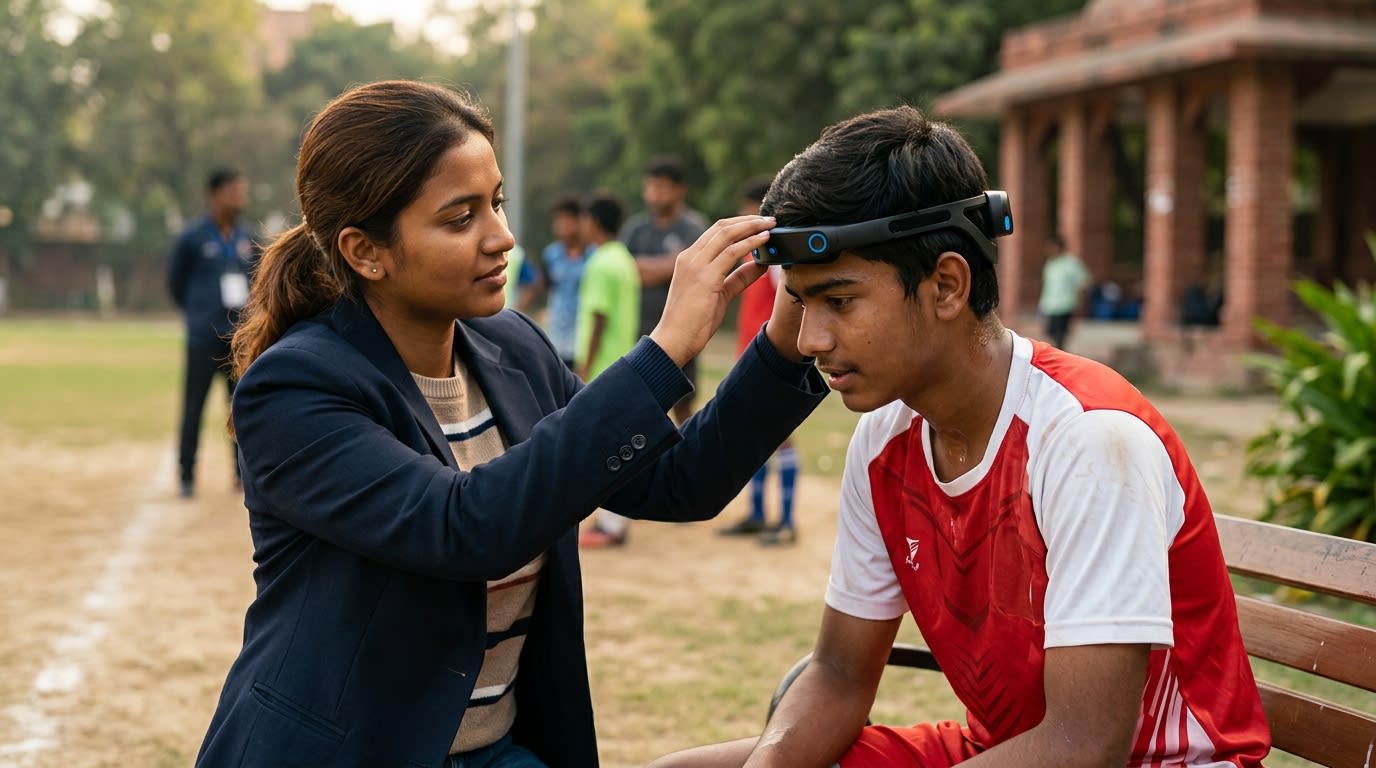
Harvard Innovation for Athlete Safety
A team of students from Harvard University has developed an award-winning headset designed to rapidly screen athletes for concussions, completing the process in just 60 seconds. This innovative device, costing approximately $6,500 (around ₹5.4 lakhs), represents a significant leap forward in sports medicine, offering a quicker and potentially more objective method for detecting brain injuries on the field.
Concussions, particularly prevalent in contact sports, often pose diagnostic challenges due to the subjective nature of traditional assessments and the need for immediate evaluation. The new headset aims to address this by providing a swift, data-driven analysis, potentially reducing the risk of long-term neurological damage that can result from undetected or mismanaged head injuries.
For a sports-loving nation like India, where cricket, football, hockey, and kabaddi are immensely popular, such technology holds considerable promise. Ensuring the safety of athletes at all levels, from grassroots to professional leagues, is paramount. While the initial cost of the device, approximately ₹5.4 lakhs, might be a factor, its potential to save lives and careers could drive future adoption and investment in Indian sports infrastructure.
The development underscores a growing global focus on athlete welfare and the application of advanced technology to improve medical diagnostics. Should this technology gain wider acceptance and possibly become more affordable through mass production or local adaptations, it could revolutionise how concussions are managed, not just in elite sports but also in school and amateur leagues across India.
This Harvard-led innovation highlights the ongoing efforts to make sports safer and more sustainable for participants worldwide. Its award-winning status suggests a robust design and significant potential to impact how head injuries are identified and addressed, ultimately contributing to better health outcomes for athletes.

17-Year-Old Innovator Develops Wearable for Vehicle Detection
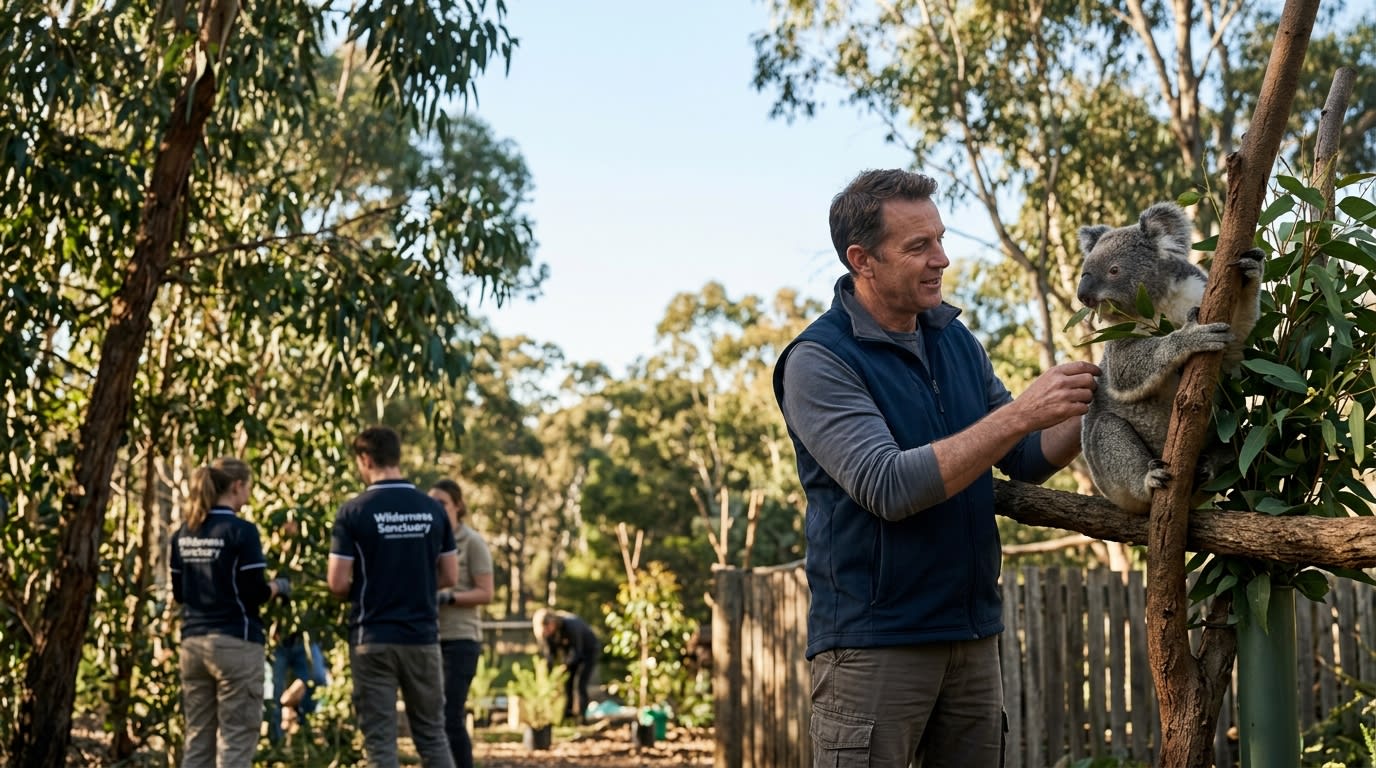
Hugh Jackman Backs Australian Sanctuary Campaign to Protect Koalas