India's Vultures: Unravelling the Biological Secret Behind Their Iron Stomach
Critically endangered vultures in India possess a unique biological defence, allowing them to safely consume putrid meat, crucial for ecosystem health.

Vultures, often revered as nature's clean-up crew, possess an extraordinary biological defence mechanism that allows them to consume putrid carcasses without succumbing to deadly pathogens. This unique ability, a subject of ongoing scientific study, is vital for their survival and their crucial role in maintaining ecological balance.
Research indicates that these birds have an exceptionally acidic stomach, with a pH level comparable to battery acid. This extreme acidity effectively neutralises the vast majority of harmful bacteria, such as Clostridium, Salmonella, and E. coli, which thrive in decaying flesh and would be fatal to most other scavengers.
Beyond their powerful gastric acids, vultures also host a specialised microbiome in their intestines. This unique community of gut bacteria is adapted to process any resilient toxins or pathogens that manage to survive the stomach's harsh environment, further safeguarding the birds from illness. This dual defence system is a marvel of natural selection.
Their remarkable digestive system positions vultures as indispensable ecological engineers. By efficiently removing decaying animal remains, they prevent the spread of diseases and recycle nutrients back into the ecosystem, acting as a natural sanitation service. In India, where several vulture species face critical endangerment, largely due to the veterinary drug diclofenac, understanding these biological adaptations is paramount for ongoing conservation efforts to revive their dwindling populations. Their survival is not just about the birds themselves, but about the health of the entire environment.

17-Year-Old Innovator Develops Wearable for Vehicle Detection
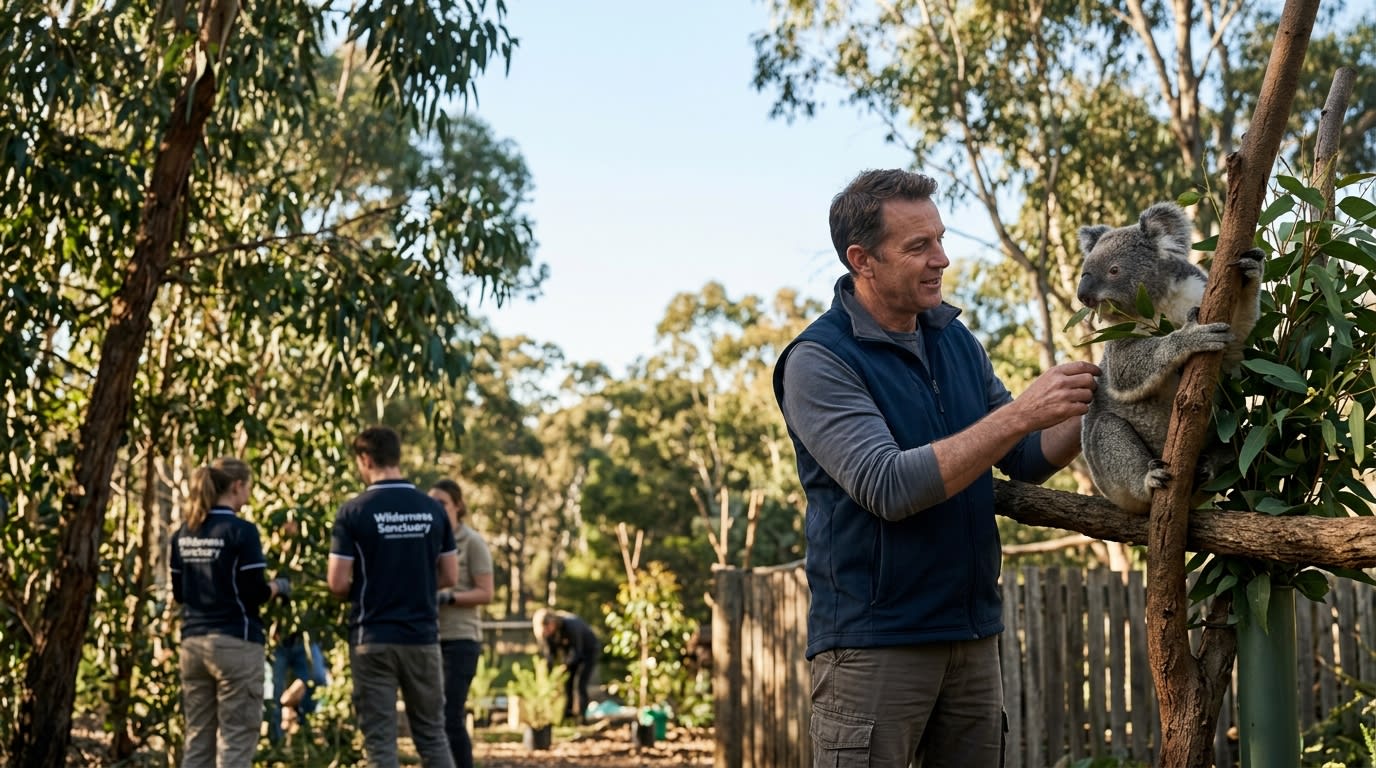
Hugh Jackman Backs Australian Sanctuary Campaign to Protect Koalas