Karnataka Government's Move to Drop 52 Cases Faces Judicial Scrutiny
The Karnataka government's decision to withdraw 52 criminal cases, including those related to communal incidents and pro-Kannada stirs, has encountered judicial curbs.
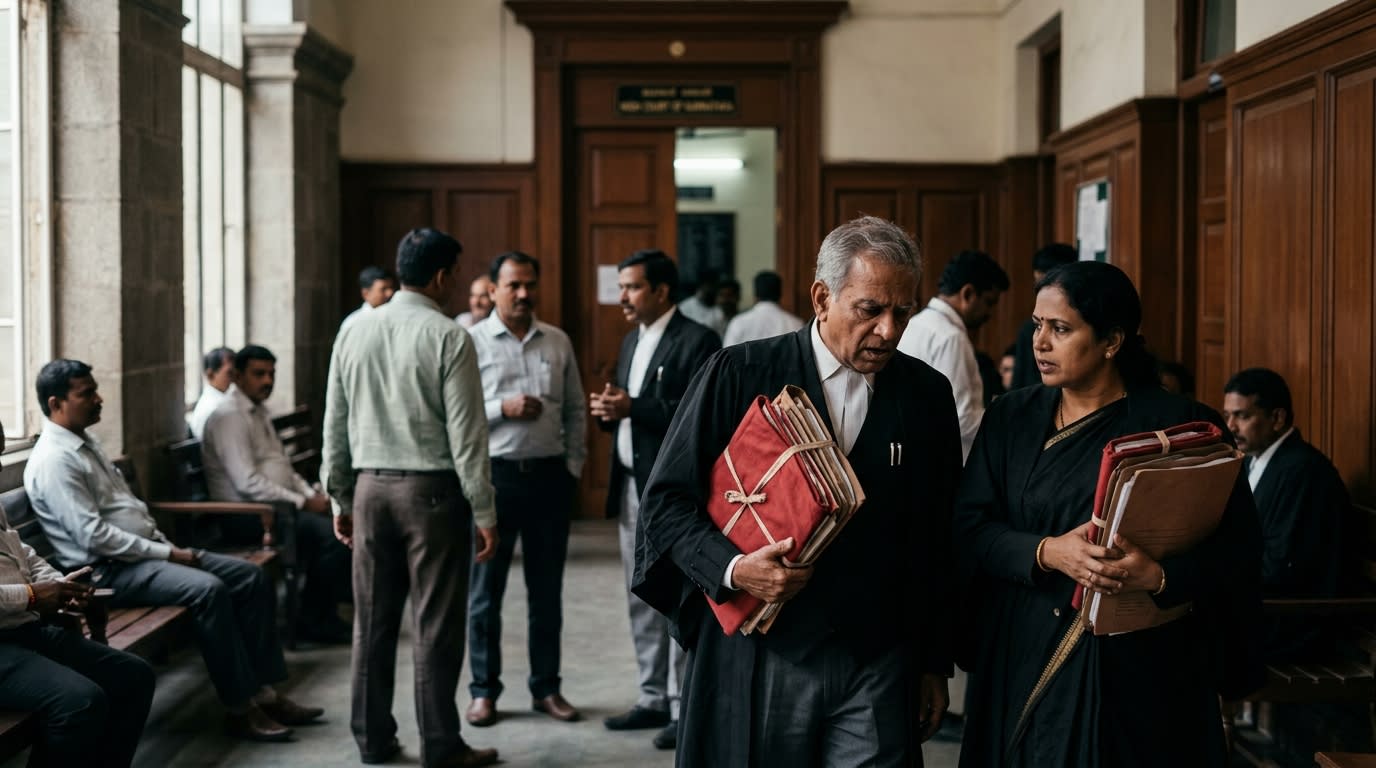
The Karnataka government, led by Chief Minister Siddaramaiah, is facing significant judicial scrutiny over its decision to withdraw 52 criminal cases. These cases encompass a range of offences, from communal disputes to agitations related to Kannada language and regional identity. Reports indicate that courts have imposed restrictions on the government's move, raising questions about the executive's power to unilaterally drop such proceedings.
The cases in question date back several years and involve incidents of public disorder, often arising from sensitive communal tensions or protests advocating for Kannada pride. The state government's stated intention behind withdrawing these cases was reportedly to de-escalate political tensions and offer relief to activists and individuals who faced charges during these agitations.
However, the judiciary's intervention underscores the constitutional principle of judicial oversight over executive actions, particularly when it involves the withdrawal of criminal prosecutions. While governments often review and withdraw cases, especially those deemed politically motivated or minor in nature, such decisions are subject to legal scrutiny to ensure adherence to due process and the wider interests of justice.
For Indian readers, this development highlights the delicate balance between the executive's prerogative and the judiciary's crucial role in upholding the rule of law. It brings into focus the legal implications of a state government's power to withdraw cases that involve public order and potentially serious charges, irrespective of their political context.
The Siddaramaiah administration will now likely be required to address these judicial observations and potentially justify its decision in court. The outcome of these proceedings could establish a significant precedent for how state governments across India handle the withdrawal of criminal cases, particularly those with a strong political or social dimension.

Tejashwi Yadav's Absence Sparks Debate Amidst Bihar's Political Stir

Sonam Wangchuk's Hunger Strike: Summary Required for Report
