Landmark Stanford Study Cultivates Human Brain Tissue in Mice, Offers New Hope for Neurological Repair
Researchers at Stanford University have achieved a significant milestone by successfully growing human brain tissue inside laboratory mice, filling over 90% of missing cortical space.
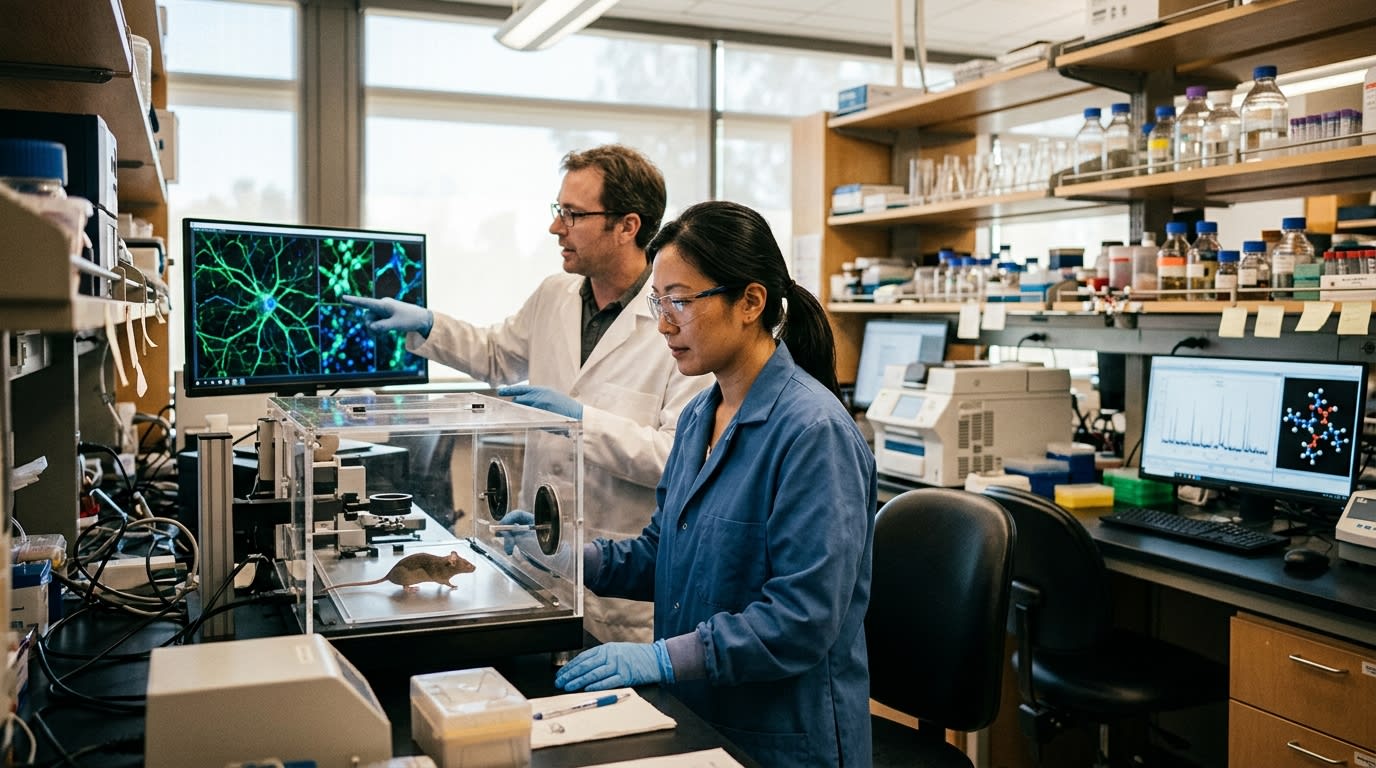
In a significant scientific advancement, researchers at Stanford University have successfully cultivated human brain tissue within laboratory mice. This groundbreaking study marks a crucial step in regenerative medicine, demonstrating the ability to fill over 90% of missing cortical space in the host animals with human brain cells.
The achievement opens up unprecedented avenues for understanding and potentially treating a range of debilitating neurological conditions. By growing functional human brain tissue, scientists can now study complex brain disorders, such as stroke, traumatic brain injury, and neurodegenerative diseases like Alzheimer's and Parkinson's, in a more accurate and dynamic biological model than previously possible.
This research primarily involves the use of human stem cells, which are carefully guided to develop into the specific cell types found in the brain's cortex. The successful integration and proliferation of this human tissue within a living organism provide invaluable insights into brain development, neural circuitry, and the mechanisms of disease.
While still in its early stages, the implications of this study are profound for global healthcare. For a nation like India, which faces a significant burden of neurological disorders, such breakthroughs offer a glimmer of hope. Future therapies derived from this research could potentially lead to improved quality of life for millions of Indian patients suffering from conditions that currently have limited treatment options.
Scientists emphasise that extensive further research and ethical considerations are paramount before any human applications can be considered. However, this foundational work lays a robust groundwork for developing novel regenerative strategies and drug discovery programmes aimed at repairing damaged brain tissue and restoring neurological function.

17-Year-Old Innovator Develops Wearable for Vehicle Detection
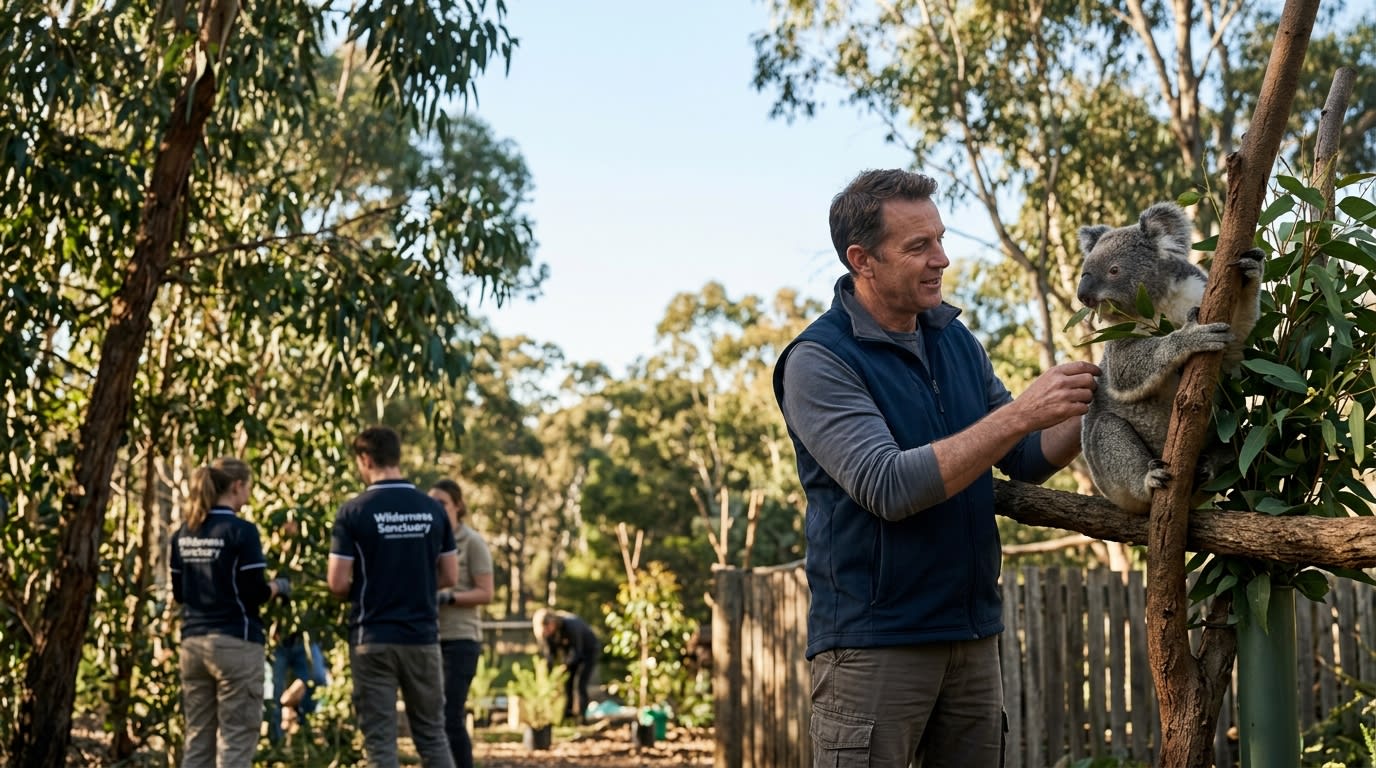
Hugh Jackman Backs Australian Sanctuary Campaign to Protect Koalas