Marine Life to Aid Cyclone Forecasting: Scientists Explore Sharks as Ocean Data Collectors
Researchers are exploring an innovative approach to improve cyclone predictions by outfitting sharks with advanced sensors to gather critical ocean data.

In an innovative stride towards enhancing meteorological accuracy, scientists are actively investigating whether sharks can serve as natural, mobile data collectors for predicting severe weather events like cyclones. This pioneering research aims to leverage the deep-sea movements of these marine predators to gather crucial oceanographic information, which is vital for understanding and forecasting powerful storms.
The core of this initiative involves equipping sharks with specialized sensors that record vital ocean parameters such as temperature, salinity, and pressure. As these tagged sharks navigate the vast expanses of the ocean, particularly in regions prone to storm formation, their movements facilitate the collection of near real-time data from depths and areas often inaccessible to conventional monitoring systems. This data is then transmitted to researchers, offering unprecedented insights into the subsurface conditions that fuel tropical storms.
For a nation like India, with its extensive coastline bordering the Bay of Bengal and the Arabian Sea, this research holds significant promise. India is frequently impacted by devastating cyclones, which necessitate accurate and timely predictions for effective disaster preparedness and mitigation. Improved forecasts directly translate to better evacuation strategies, saving lives and protecting property in vulnerable coastal states such as Gujarat, Odisha, and West Bengal.
Currently in its testing phase, this "bio-sensing" approach is envisioned as a complementary tool to existing meteorological infrastructure, which includes satellites, weather buoys, and coastal radar systems. By providing a continuous stream of data from the ocean's depths, sharks could potentially fill critical data gaps, offering a more comprehensive picture of the marine environment crucial for predicting the intensity and trajectory of impending cyclones. This innovative strategy underscores a growing trend in science to harness nature's capabilities for complex environmental monitoring.

17-Year-Old Innovator Develops Wearable for Vehicle Detection
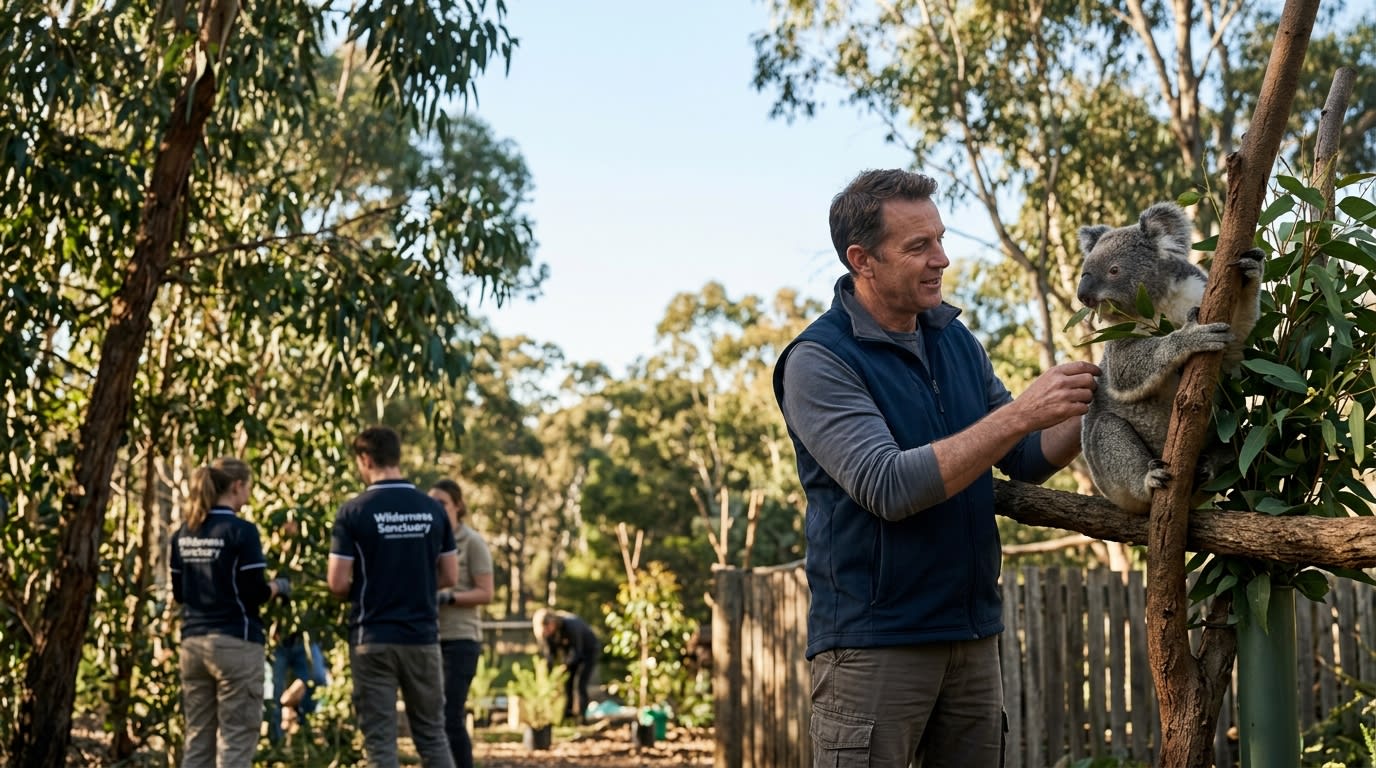
Hugh Jackman Backs Australian Sanctuary Campaign to Protect Koalas