Mass Bamboo Flowering Threatens Ecological Balance, Heightens Wildlife Conflict in India: KFRI Study
A recent study by the Kerala Forest Research Institute warns that synchronous bamboo flowering and subsequent die-off could trigger an ecological crisis across India.
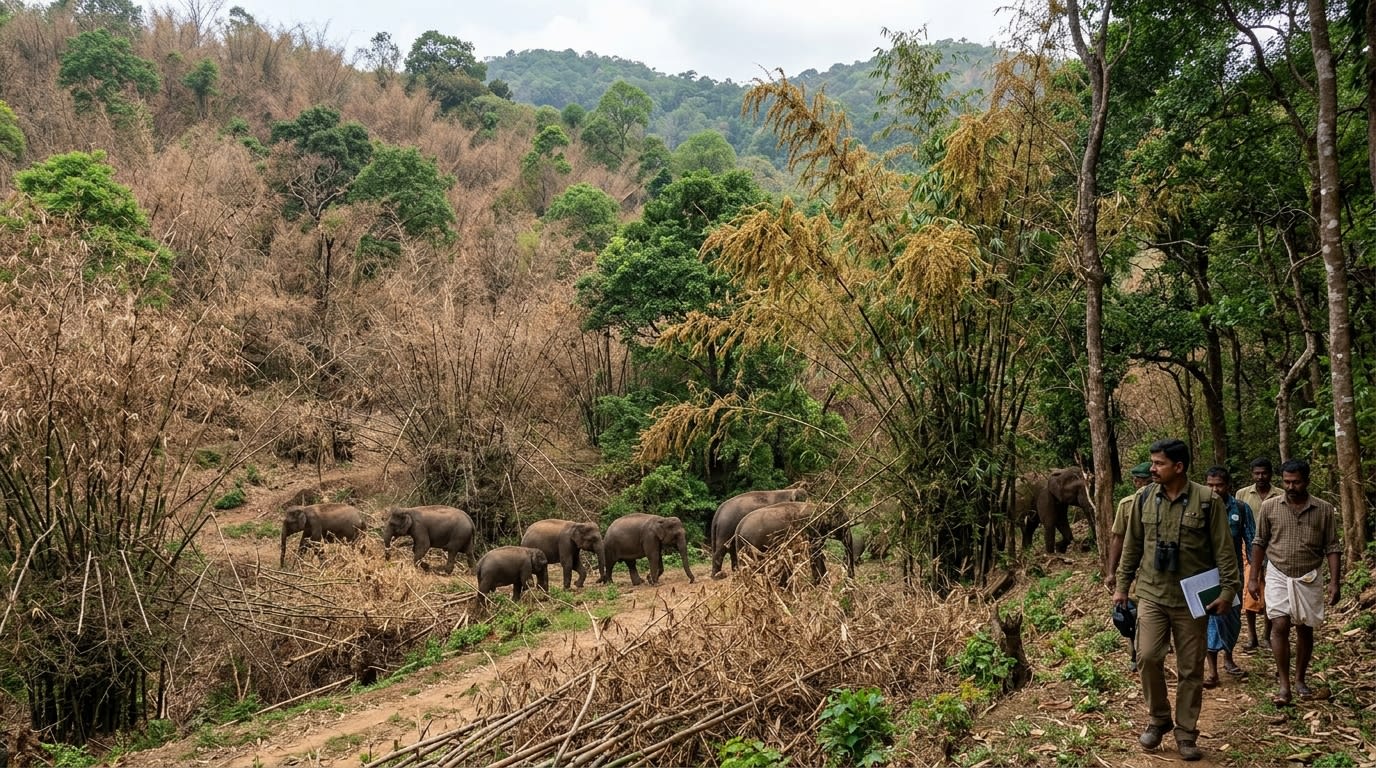
Ecological Crisis Looms as Bamboo Mass Flowering Triggers Wildlife Conflict, Says Kerala Study
A recent study by the Kerala Forest Research Institute (KFRI) has issued a stark warning regarding the widespread, synchronous flowering and subsequent die-off of bamboo species across India's forests. This natural phenomenon, occurring at intervals of several decades, is predicted to unleash a cascade of ecological disruptions, potentially exacerbating human-wildlife conflicts and posing significant challenges for forest management authorities.
The KFRI research highlights that the mass die-off of bamboo, which often follows its flowering cycle, creates vast swathes of dry biomass. This significantly elevates the risk of forest fires, especially during drier seasons. Furthermore, the sudden opening of the forest canopy, previously dense with bamboo, creates conditions ripe for invasive plant species to flourish, outcompeting native flora and altering delicate ecosystem balances.
A critical concern raised by the study is the potential for a dramatic increase in rodent populations. Bamboo seeds are a highly nutritious food source for rodents, and an abundance of these seeds can lead to population explosions. Such surges have historically been linked to agricultural damage and even famines in certain regions of India, posing a direct threat to food security and local economies.
Perhaps the most immediate and visible impact could be on large herbivores, particularly elephants. As their primary food source — bamboo culms — dies off, these majestic animals are compelled to venture into agricultural lands and human settlements in search of sustenance. This increases the likelihood of human-elephant conflicts, leading to crop damage, property destruction, and tragic loss of life for both humans and animals, a persistent issue in many Indian states.
The findings underscore the urgent need for proactive strategies to mitigate these impending threats. Forest departments, wildlife conservationists, and local communities must collaborate on comprehensive management plans. These could include controlled burning strategies, invasive species removal, and measures to manage elephant corridors and minimize direct encounters, ensuring the long-term ecological health of India's forests and the safety of its populace.

India Aims to Uproot Drug Trade by 2029: Amit Shah

PM Modi to Convene High-Level Meeting to Chart Government's Next Priorities
