Mediterranean Seagrass Adaptation Offers New Insights for Enhancing Crop Yields
Scientists have discovered how Mediterranean seagrass thrives in dim seabed light by adapting its photosynthetic system, offering crucial insights for crop development.
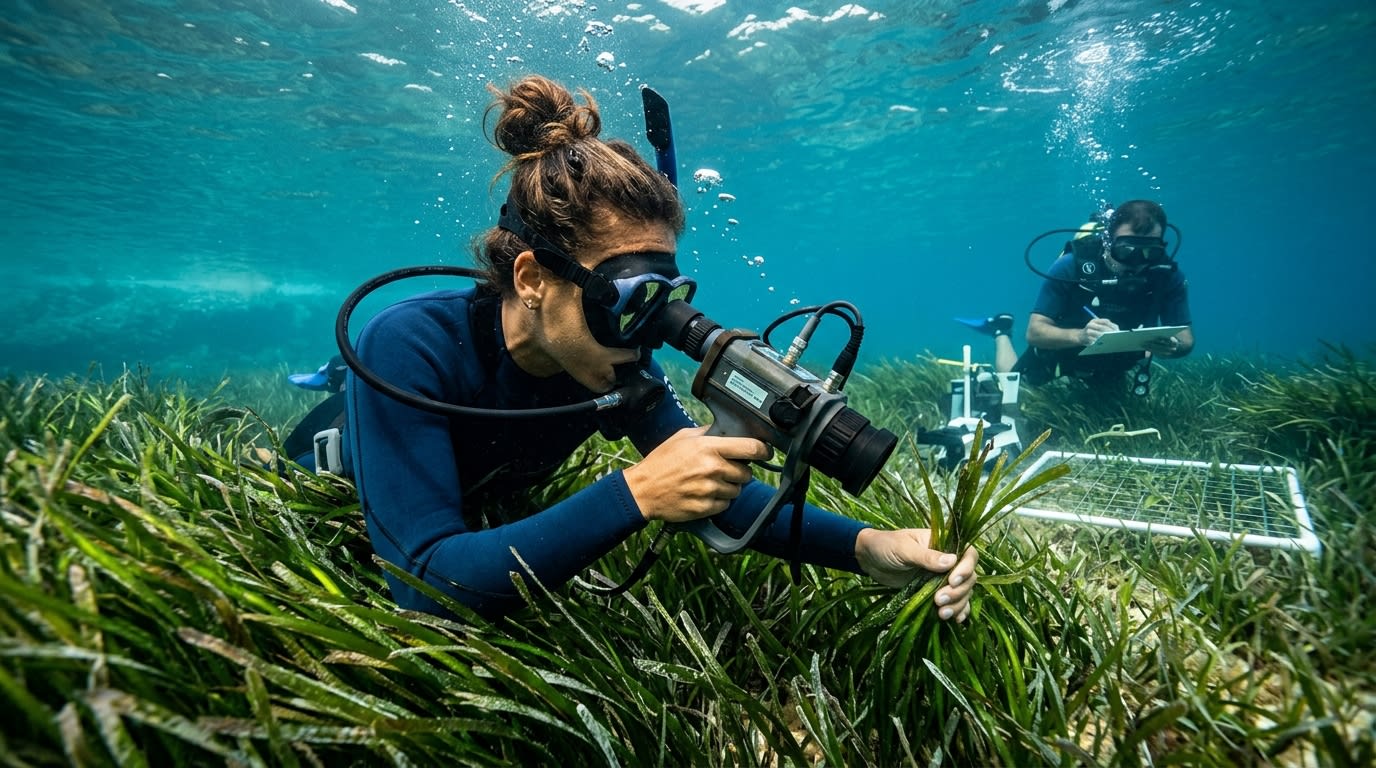
Scientists have uncovered a remarkable adaptation in the Mediterranean seagrass, Posidonia oceanica, revealing how this aquatic plant thrives in the low-light conditions of the deep seabed. This discovery sheds light on the sophisticated mechanisms plants employ to harness energy, even when sunlight is scarce.
The research indicates that Posidonia oceanica has evolved its photosynthetic system to efficiently capture and process light in the dim, blue-green spectrum prevalent underwater. Essentially, the plant modifies its internal machinery, akin to expanding its 'solar panels,' to absorb more available light and then transport that energy more effectively within its cells. This allows it to maximise energy production despite the challenging environment.
This unique survival strategy highlights an advanced form of photosynthetic efficiency. Understanding how this seagrass optimises light utilisation could have profound implications beyond marine biology. Researchers believe these findings offer valuable blueprints for bio-engineering and agricultural science.
Specifically, the insights gained from this seagrass could pave the way for developing new crop varieties capable of flourishing with limited sunlight. For a country like India, where agricultural productivity is paramount and diverse farming conditions exist, including shaded areas or densely planted fields, such advancements could be transformative. Imagine crops that yield more efficiently under canopies or in regions with reduced light exposure, potentially boosting food security and farmer incomes across the nation.

17-Year-Old Innovator Develops Wearable for Vehicle Detection
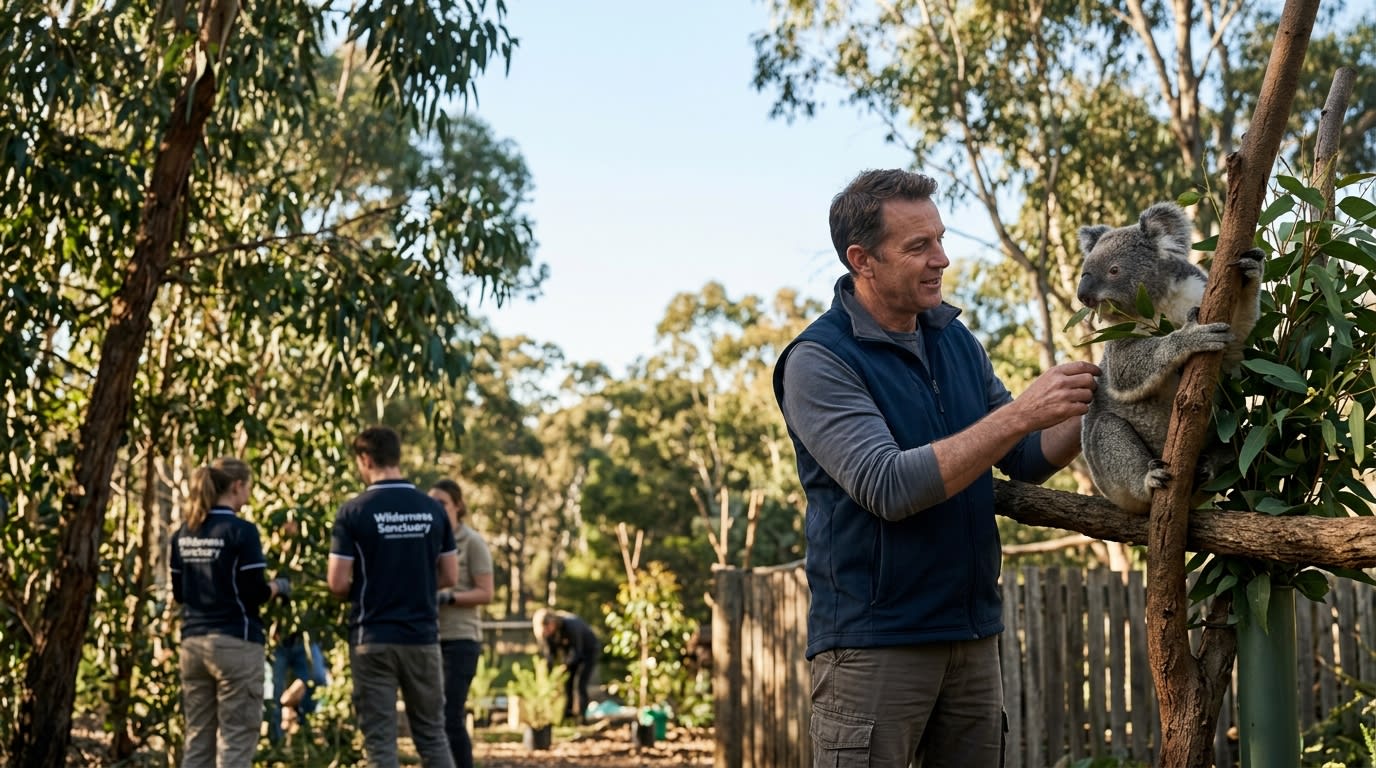
Hugh Jackman Backs Australian Sanctuary Campaign to Protect Koalas