Morning-After Pills Under Review: Four Boxed Warnings Proposed for Emergency Contraceptives
India's drug regulatory body is considering mandating four "boxed warnings" on emergency contraceptive pills to ensure safe and informed usage among women.
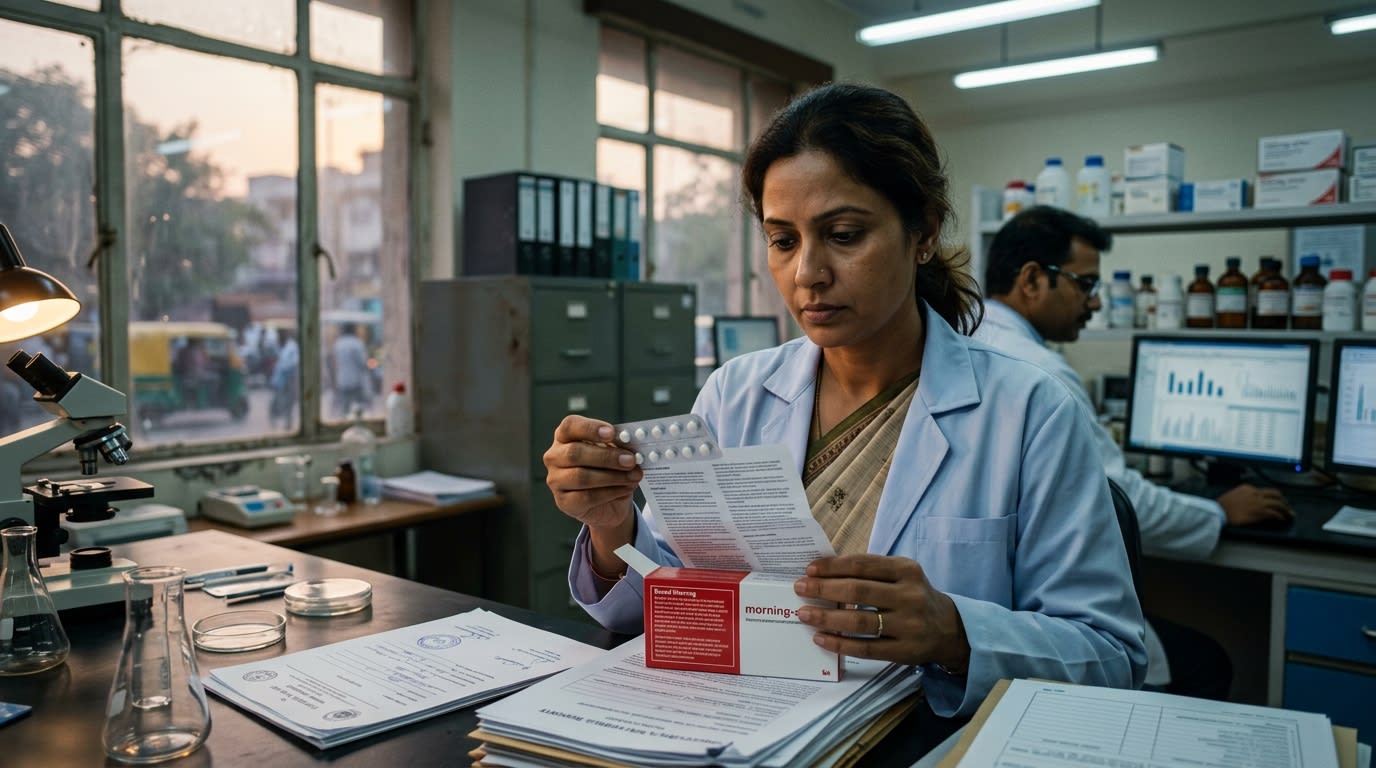
New Warnings Proposed for Emergency Contraceptive Pills in India
The Drug Controller General of India (DCGI) is reportedly evaluating a proposal to mandate the inclusion of four distinct "boxed warnings" on the packaging of emergency contraceptive pills (ECPs), widely known as morning-after pills. This significant regulatory step aims to enhance user awareness regarding the proper use, limitations, and potential health implications of these medications, which are readily available across India.
The proposed warnings are expected to address critical aspects often misunderstood by consumers. These could include clear declarations that ECPs are not a substitute for regular contraception, that they offer no protection against sexually transmitted infections (STIs), information on their specific efficacy window and potential for reduced effectiveness in certain circumstances, and a comprehensive list of possible side effects such as nausea, irregular bleeding, or abdominal discomfort. The intent is to counter prevailing misconceptions and promote a more responsible approach to their usage.
Currently available over-the-counter without a prescription, ECPs play a crucial role in preventing unintended pregnancies in emergency situations. However, health experts and women's health advocates have frequently expressed concerns about their potential misuse as a primary or regular birth control method due to insufficient information provided to consumers at the time of purchase. The absence of prominent warnings has sometimes led to a casual approach to their consumption.
The introduction of these boxed warnings is anticipated to empower users with vital information, enabling them to make more informed decisions about their reproductive health. Furthermore, it places a greater onus on pharmacists and healthcare providers to offer appropriate counselling to individuals seeking these medications, ensuring they fully comprehend the warnings and the importance of consulting a doctor for ongoing contraceptive needs. This measure underscores the Indian government's commitment to public health, medication safety, and informed reproductive choices for women nationwide.

India Aims to Uproot Drug Trade by 2029: Amit Shah

PM Modi to Convene High-Level Meeting to Chart Government's Next Priorities
