NASA's Puncture-Proof Tyres for Mars Rovers Could Revolutionise Indian Transport
NASA's innovative airless tyres, designed for Mars rovers using Nitinol, promise to eliminate punctures and adapt to extreme conditions, with potential to transform Indian transport.

The US space agency NASA has developed a groundbreaking tyre technology, initially engineered for its Mars exploration rovers, that could soon find its way to terrestrial vehicles, including bicycles and heavy-duty trucks. These revolutionary airless tyres, crafted from a superelastic alloy known as Nitinol, are designed to offer unparalleled durability and performance.
Unlike conventional rubber tyres that rely on air pressure, these metallic wheels are immune to punctures. Their unique material composition allows them to adapt seamlessly to harsh and varied terrains, while maintaining structural integrity across extreme temperature fluctuations. This innovative design ensures a remarkably smooth and damage-free ride, even in the most challenging environments encountered on Mars.
While their primary purpose was for extraterrestrial exploration, the potential terrestrial applications of this space-age technology are vast. Imagine bicycles in India, navigating diverse urban and rural paths, no longer vulnerable to flats. This innovation could eliminate the common inconvenience of tyre punctures for millions of daily commuters and adventurers across the nation.
Beyond personal mobility, these resilient tyres hold significant promise for heavy-duty vehicles, including commercial trucks that traverse long distances across India's varied topography, and even for critical components like aircraft landing gear. For India, a nation with a burgeoning automotive industry and ambitious infrastructure projects, the adoption of such low-maintenance and highly durable tyre technology could significantly enhance operational efficiency and safety, reducing costs associated with frequent tyre replacement and repair.

17-Year-Old Innovator Develops Wearable for Vehicle Detection
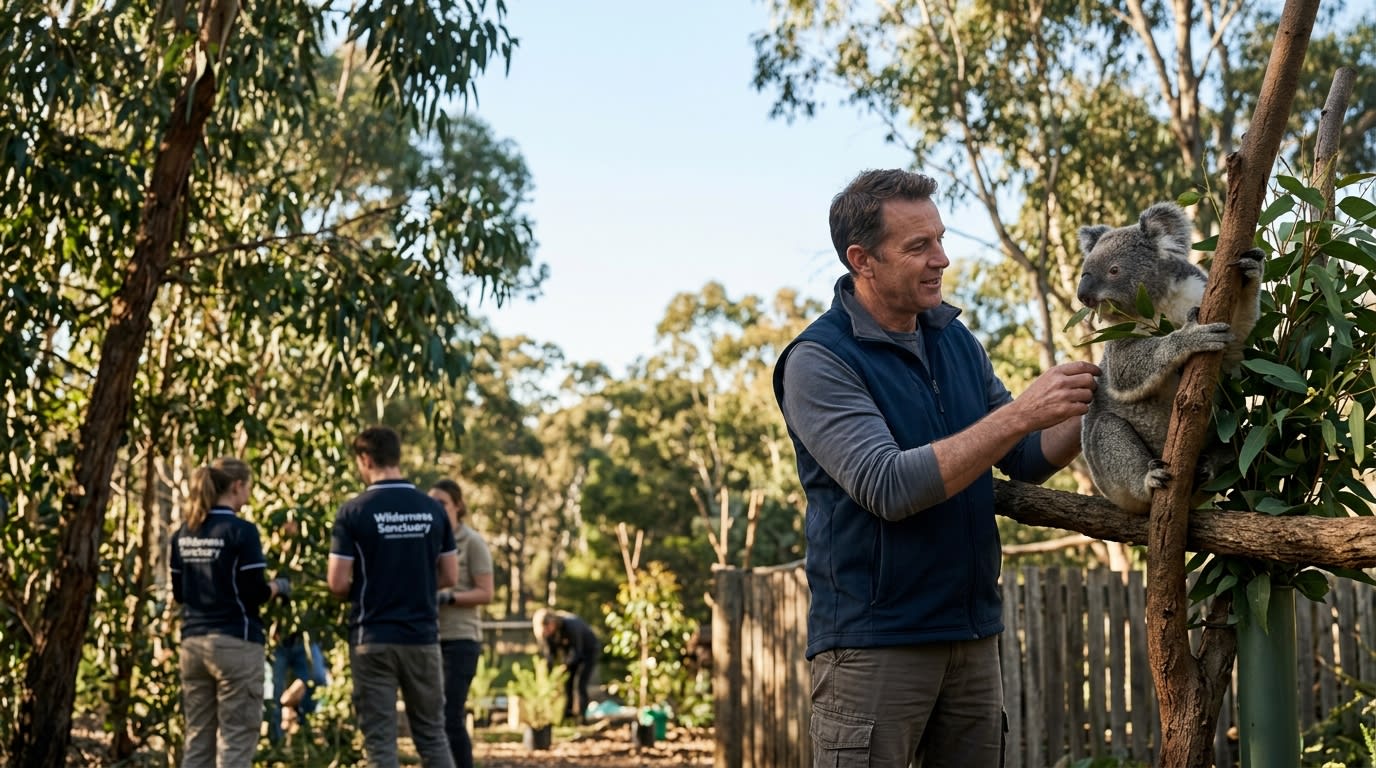
Hugh Jackman Backs Australian Sanctuary Campaign to Protect Koalas