Oregon Teen's Air-to-Water Device Offers Sustainable Hope for Drought-Hit Farms
A 13-year-old from Oregon has invented a device that converts air moisture into potable water, offering a sustainable solution for agriculture facing water scarcity. This innovation holds global promi

A 13-year-old student from Oregon, USA, has garnered attention for developing an innovative device that transforms atmospheric moisture into potable water. This remarkable invention holds significant promise for agricultural communities grappling with water shortages globally. The young innovator, Roy Kim, created a chamber designed to extract water directly from the air, offering a sustainable solution to a critical challenge.
Kim's prototype incorporates a Peltier module, which facilitates condensation, effectively converting humidity into liquid water. The system is also equipped with advanced sensors that meticulously monitor environmental conditions and regulate water delivery. This intelligent design ensures efficient operation and optimal resource management, addressing the erratic nature of water availability in many farming regions.
The global agricultural sector faces immense pressure due to increasing water scarcity, a challenge acutely felt in many parts of India. Regions across the country frequently experience droughts and depleting groundwater levels, impacting farmers' livelihoods and food security. Innovations like Kim's device underscore the potential for technological solutions to mitigate such crises, providing a blueprint for localised, sustainable water sources in vulnerable areas. Such advancements could offer a vital lifeline to Indian farmers struggling with inadequate irrigation.
Roy Kim envisions his invention playing a crucial role in alleviating the severe water challenges confronting agriculture worldwide. His work highlights how youthful ingenuity can contribute significantly to addressing complex environmental problems. The development of such accessible and sustainable water generation technologies could empower farmers, particularly in drought-stricken regions, to secure their water supply and enhance agricultural resilience for the future.

17-Year-Old Innovator Develops Wearable for Vehicle Detection
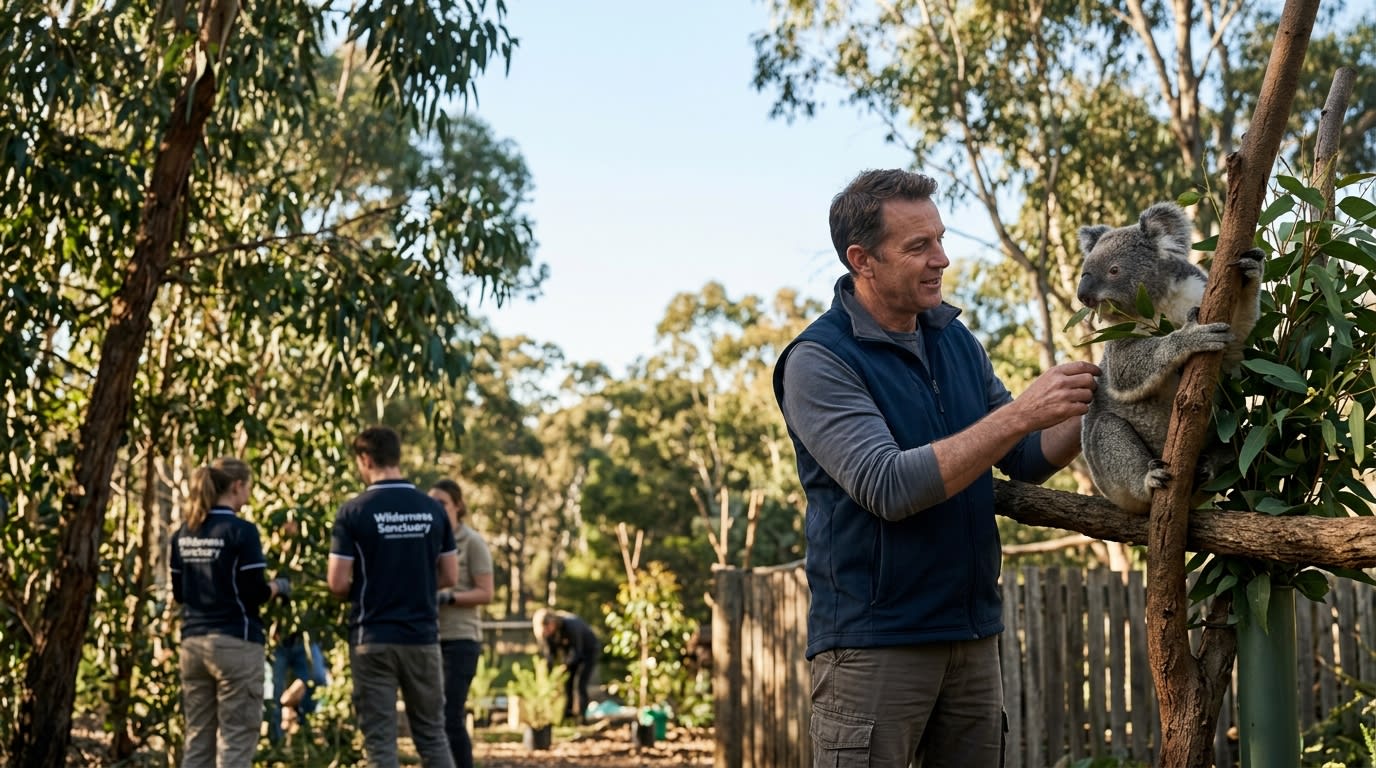
Hugh Jackman Backs Australian Sanctuary Campaign to Protect Koalas