Parasitic Tapeworm Dramatically Extends Ant Lifespan by Mimicking Queen Biology
In a fascinating discovery from Germany, a parasitic tapeworm has been found to significantly prolong the lives of worker ants by genetically altering them to resemble queen ants.

Parasitic Tapeworm Dramatically Extends Ant Lifespan by Mimicking Queen Biology
Scientists in Germany have uncovered a remarkable instance of parasitic manipulation, where a specific tapeworm species significantly prolongs the lives of its ant hosts. This tiny parasite achieves this by subtly altering the worker ants' biology, making them exhibit traits akin to a queen ant, thereby extending their natural lifespan multiple times over.
The research highlights how the tapeworm orchestrates a complex genetic transformation within the infected worker ants. By manipulating the ants' internal regulatory networks, the parasite effectively reprograms their bodies. This intervention leads to a dramatic shift in the ants' behaviour and physiology, causing them to become less active and notably quieter within their colonies compared to their uninfected counterparts.
This biological alteration serves as a sophisticated survival strategy for the tapeworm. By extending the life of its host, the parasite maximises its own chances of completing its life cycle and propagating. The infected worker ants, despite their prolonged existence, play a modified role within the colony, inadvertently contributing to the parasite's long-term success rather than the colony's typical functions.
Beyond the immediate implications for ant colonies and parasitic ecosystems, this discovery offers valuable insights into the broader mechanisms of genetic control, particularly concerning aging processes. Understanding how a parasite can so effectively manipulate a host's lifespan and development could open new avenues for research into biological aging and longevity, a field of increasing global scientific interest, including in India where research into life sciences is continually advancing.

17-Year-Old Innovator Develops Wearable for Vehicle Detection
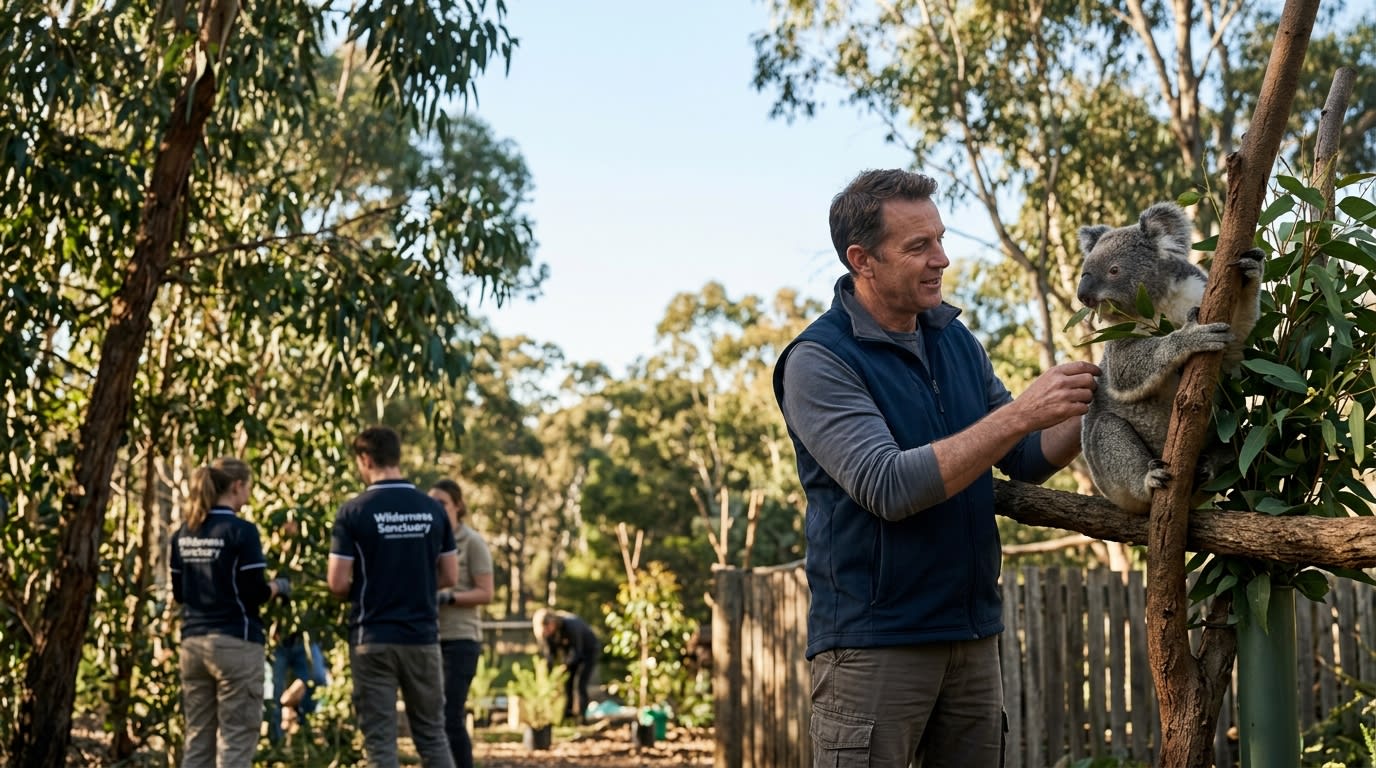
Hugh Jackman Backs Australian Sanctuary Campaign to Protect Koalas