Possums Threaten New Zealand's Unique Forests, Prompting Conservation Alarms
Nearly two centuries after their introduction, possums are devastating New Zealand's rare native forests, damaging up to half of the trees and raising serious ecological concerns.
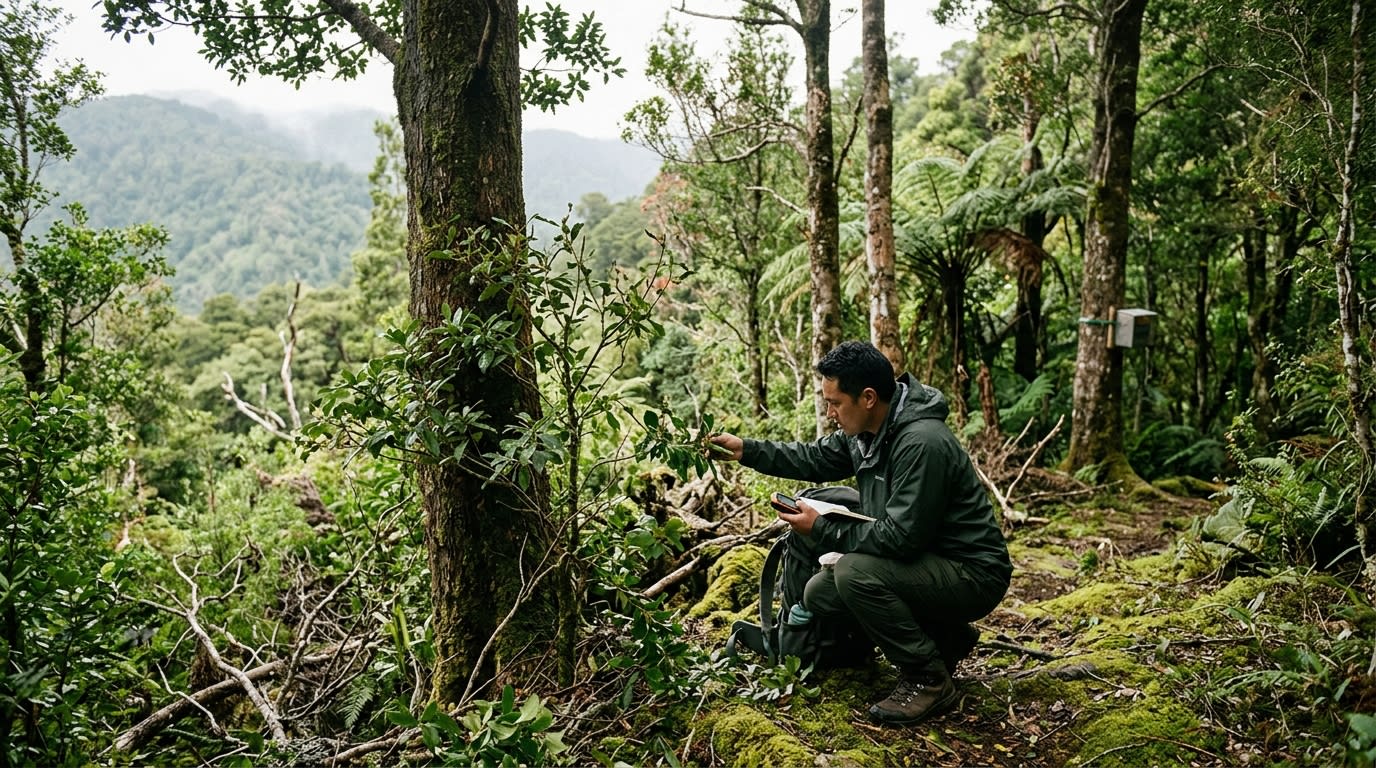
New Zealand's distinctive native forests are facing a severe threat from an unexpected quarter: the common brushtail possum. Introduced to the islands almost two centuries ago, these marsupials are now responsible for widespread destruction, with recent assessments indicating they have damaged up to half of the trees in some of the nation’s most vulnerable ecosystems. This ecological crisis highlights the long-term repercussions of introducing non-native species into fragile environments.
Originally brought to New Zealand in 1837 from Australia for a fur trade that eventually faltered, the possum population has since exploded without natural predators. Their presence has profoundly altered the unique flora, which evolved in isolation for millions of years without large browsing mammals. Possums are voracious eaters, targeting leaves, fruits, and even bird eggs, thereby impacting both plant and animal life crucial to New Zealand's biodiversity.
Conservation experts are sounding alarms over the escalating damage, warning that the continued proliferation of possums could lead to irreversible changes in these forests. The loss of specific tree species, which form the backbone of these ecosystems, threatens the habitat of many endemic birds and insects. Efforts to control possum numbers, including trapping and aerial poisoning programmes, have been ongoing but the scale of the problem remains immense.
This situation serves as a stark reminder of the global challenges posed by invasive species. While specific to New Zealand, the ecological principles resonate worldwide, including in India, which also grapples with its own set of introduced flora and fauna disrupting local ecosystems. Understanding and managing such threats is critical for preserving biodiversity on a global scale.

17-Year-Old Innovator Develops Wearable for Vehicle Detection
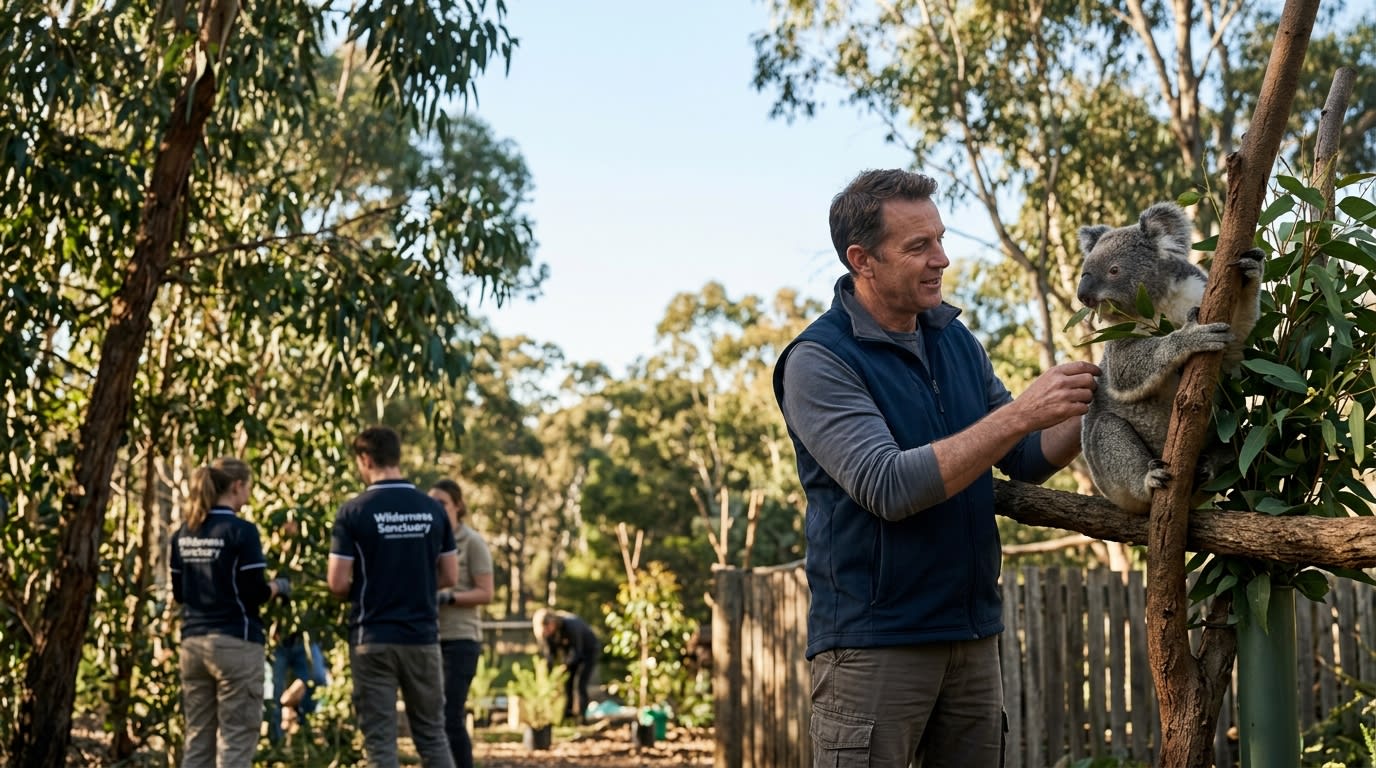
Hugh Jackman Backs Australian Sanctuary Campaign to Protect Koalas