Prakash Raj Questions New UPI Fee, Sparks Debate on Digital Payment Costs
Actor and activist Prakash Raj has raised concerns regarding the recently introduced interchange fee on certain UPI transactions, questioning its initial portrayal as a 'gift'.
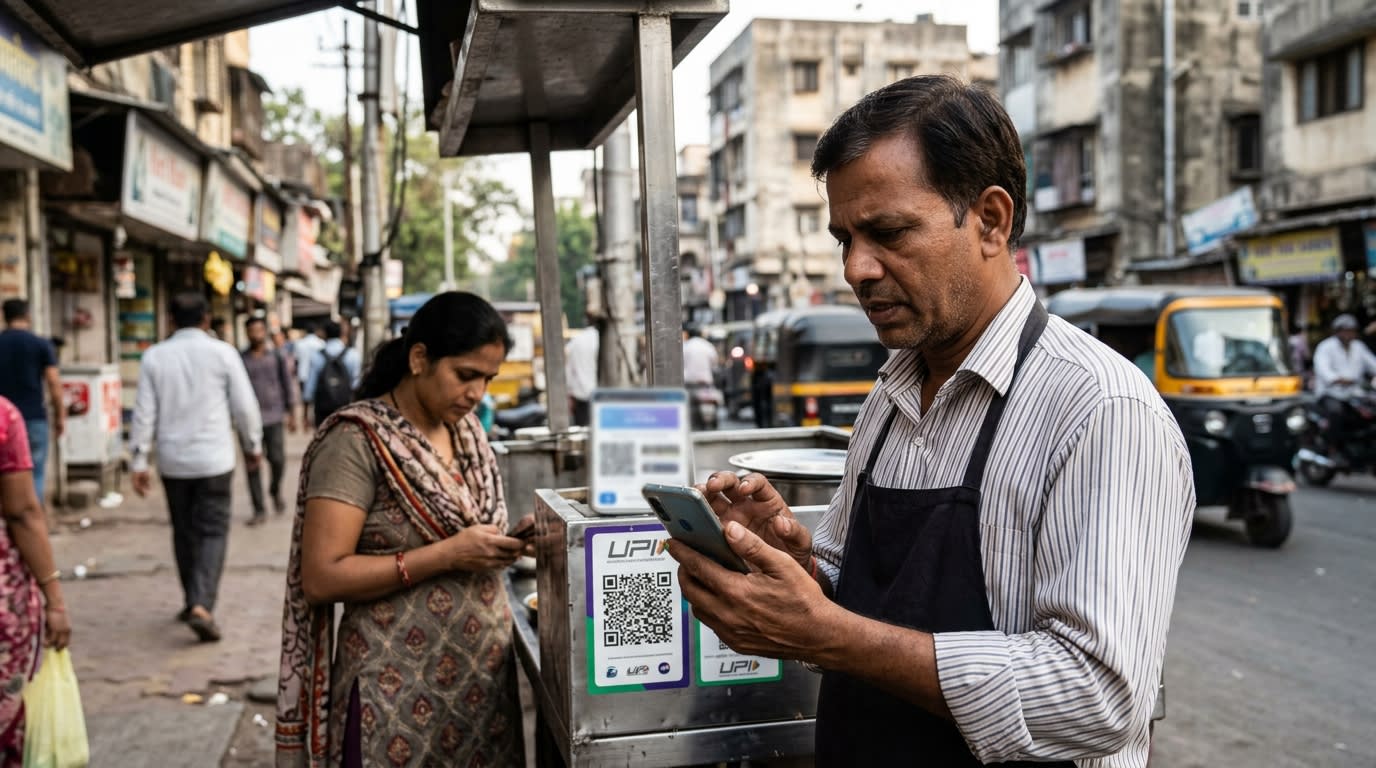
Actor Prakash Raj Challenges New UPI Interchange Fee
Actor and political activist Prakash Raj has voiced strong objections to the newly introduced interchange fee for specific Unified Payments Interface (UPI) transactions, prompting a wider discussion on digital payment costs in India. Raj highlighted his surprise, noting that UPI was initially promoted as a complimentary service, a "gift," only for a fee to be later implemented.
The National Payments Corporation of India (NPCI) recently announced that an interchange fee of up to 1.1% would be levied on merchant transactions made via prepaid payment instruments (PPIs) using UPI. This change, which came into effect from April 1, applies specifically to transactions above ₹2,000 when linked to wallets or credit cards, not to standard bank account-to-bank account UPI transfers.
Raj's critique centres on the perceived shift in the nature of UPI. He questioned how a service once hailed as a free public utility is now subject to charges, referencing his observation after "sitting with the gazette." His remarks underscore concerns about the transparency of such policy changes and their potential impact on millions of Indian users and small businesses who have widely adopted UPI.
While the government and NPCI have clarified that person-to-person (P2P) and person-to-merchant (P2M) transactions directly from bank accounts will remain free, the new fee aims to cover operational costs for PPI issuers. This move seeks to ensure the sustainability of the digital payment ecosystem, particularly as UPI volumes continue to surge, making India a global leader in digital transactions.
Raj's comments have resonated across social media platforms, adding to the public discourse surrounding the evolution of India's digital payment landscape. The debate now focuses on balancing innovation and cost recovery with the promise of accessible, free digital transactions for the common Indian citizen, impacting daily financial interactions across the nation.

US President Trump Unveils Venezuela Oil Deal, Aims to Lower Global Energy Prices

Samsung India’s Profit Plunges 36% to ₹7,228 Crore in FY26 Amidst Stiff Competition
