RBI Directs Tata Sons Towards Public Listing After Rejecting Private Status Bid
The Reserve Bank of India has rejected Tata Sons' plea to remain a private entity, pushing the Tata Group's holding company closer to a mandatory public stock offering.
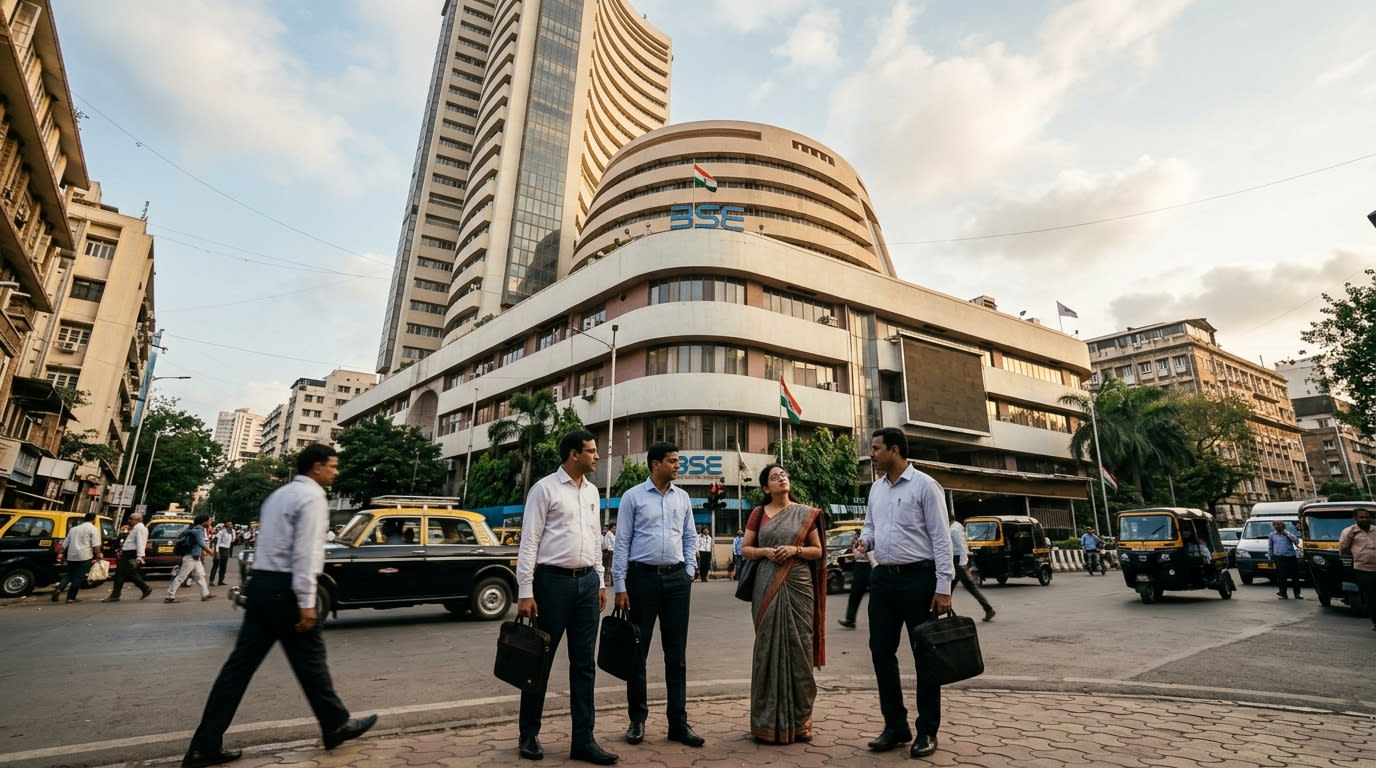
RBI Mandates Public Listing for Tata Sons
The Reserve Bank of India (RBI) has turned down Tata Sons' request to relinquish its status as a Core Investment Company (CIC), effectively pushing the holding entity of the vast Tata Group closer to a mandatory public listing. This decision marks a significant development for one of India's oldest and largest conglomerates, headquartered in Mumbai.
Under current RBI regulations, large CICs, defined as those with assets exceeding ₹100 crore and leveraging public funds, are required to list on stock exchanges within a specific timeframe. Tata Sons, being a prominent CIC, falls under this purview and faces a deadline to go public, a requirement it had sought to avoid by attempting to shed its CIC designation.
The majority owner of Tata Sons, Tata Trusts, has consistently expressed a desire to maintain the company's private character. Their objective is to ensure sustained, long-term stewardship of the Tata Group, believing that a private structure better facilitates strategic decision-making and protects the group's foundational values without short-term market pressures.
In contrast, the Shapoorji Pallonji Group, another significant shareholder in Tata Sons, has been advocating for a public float. A listing could provide greater transparency and liquidity for shareholders, potentially unlocking substantial value for stakeholders currently invested in the private entity.
This directive from the central bank carries substantial implications for the future operational and ownership structure of the Tata Group. A public listing would not only alter Tata Sons' financial framework but also redefine its relationship with the broader market and its diverse range of stakeholders across India and globally.

US President Trump Unveils Venezuela Oil Deal, Aims to Lower Global Energy Prices

Samsung India’s Profit Plunges 36% to ₹7,228 Crore in FY26 Amidst Stiff Competition
