Redonda Island's Ecosystem Rebounds Dramatically After Invasive Species Eradication
An uninhabited Caribbean island, Redonda, sees a remarkable wildlife comeback after invasive rats and goats were successfully removed, offering hope for global conservation.
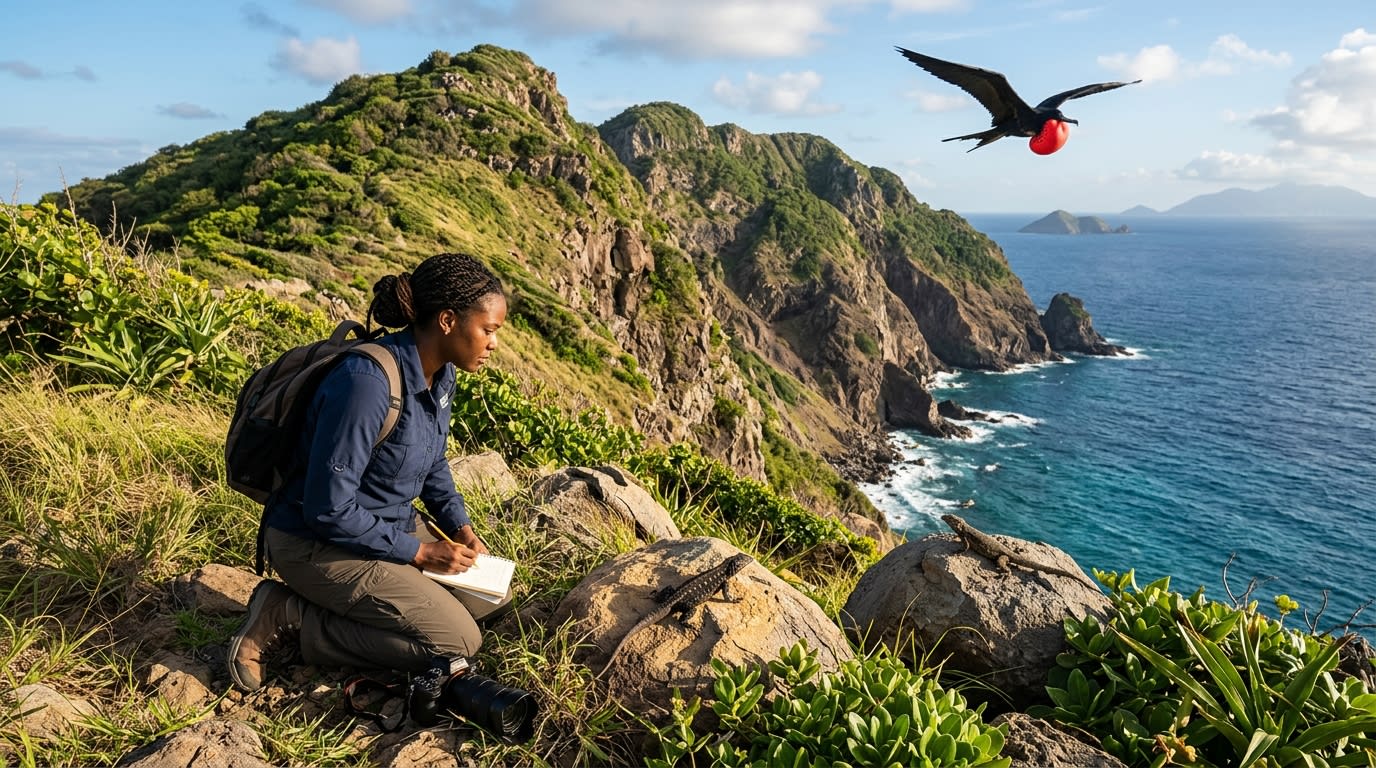
A remarkable ecological recovery is underway on Redonda, a small, uninhabited Caribbean island, where native wildlife populations are flourishing following the successful removal of invasive rat and goat species. The island, once severely impacted by these non-native animals, is now witnessing a vibrant resurgence of its unique ecosystem.
For decades, Redonda's delicate environment suffered immensely. Feral goats decimated native vegetation, causing soil erosion, while invasive black rats preyed heavily on eggs and chicks of ground-nesting seabirds and reptiles. This pressure pushed several endemic species to the brink, threatening biodiversity.
The ambitious restoration project, spearheaded by international conservation groups and local authorities, involved a meticulously planned eradication programme. Over several years, efforts systematically removed all populations of both goats and rats. This challenging undertaking required significant logistical coordination and and sustained commitment.
The results have been swift and dramatic. With invasive predators and grazers removed, Redonda's native plant life has begun to recover, providing crucial habitat. Seabird colonies, including species like the Red-billed Tropicbird, have seen significant increases in breeding success, and rare endemic lizards are now thriving. This transformation underscores the resilience of natural ecosystems.
This ecological triumph on Redonda holds important lessons for countries like India, which grapple with extensive challenges posed by invasive alien species across diverse landscapes. India's rich biodiversity is often threatened by introduced plants and animals disrupting local ecosystems. The Redonda model demonstrates that strategic intervention can reverse ecological damage, offering a blueprint for similar conservation initiatives within India.
Conservationists are now focusing on long-term monitoring and management to ensure Redonda's continued ecological health. This success story serves as a powerful reminder of humanity's capacity to mitigate environmental harm and restore natural habitats, reinforcing the critical importance of proactive biodiversity protection.

17-Year-Old Innovator Develops Wearable for Vehicle Detection
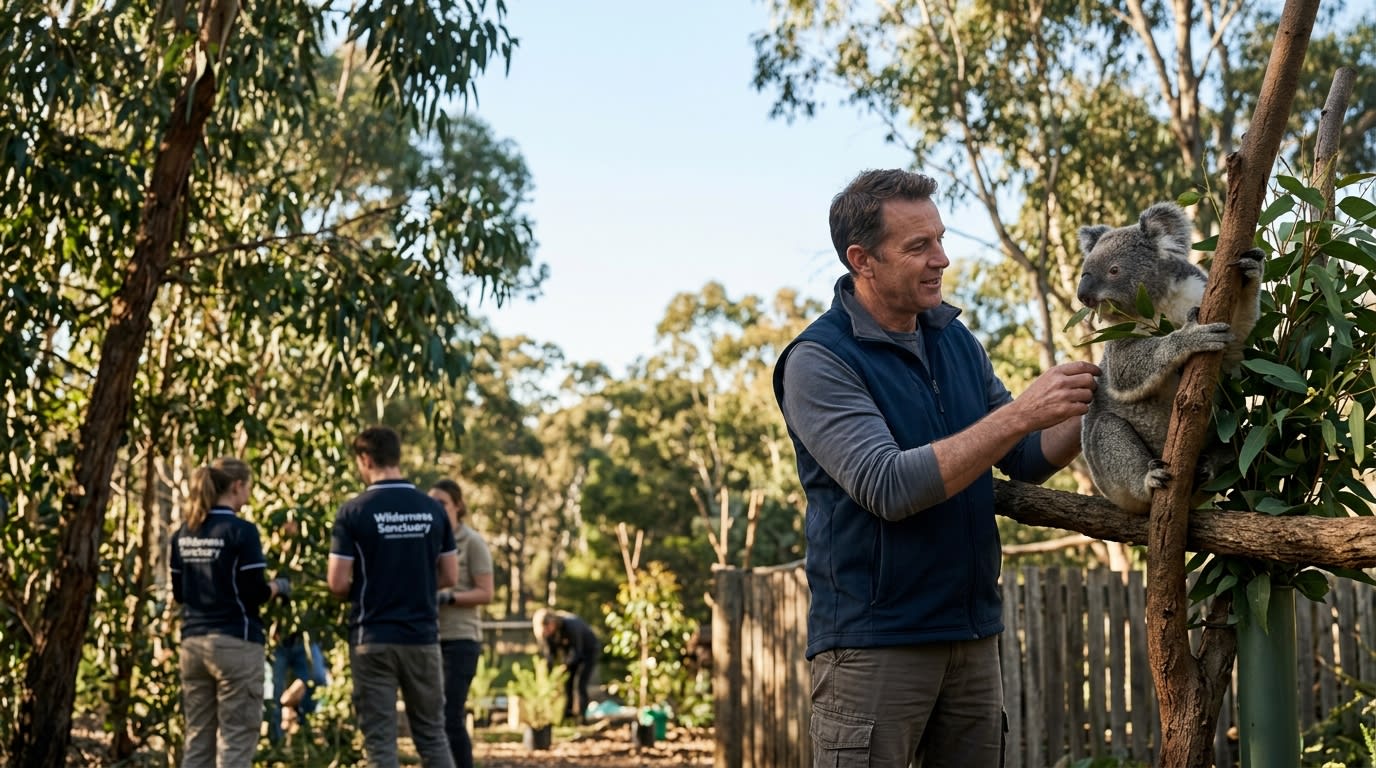
Hugh Jackman Backs Australian Sanctuary Campaign to Protect Koalas