Scientists Decode Fruit Flies' Winter Survival Tactic, Insights for India's Health and Agriculture
Scientists have uncovered how fruit flies adapt their internal biological clocks for winter, a discovery with potential implications for pest control and understanding seasonal health issues in India.
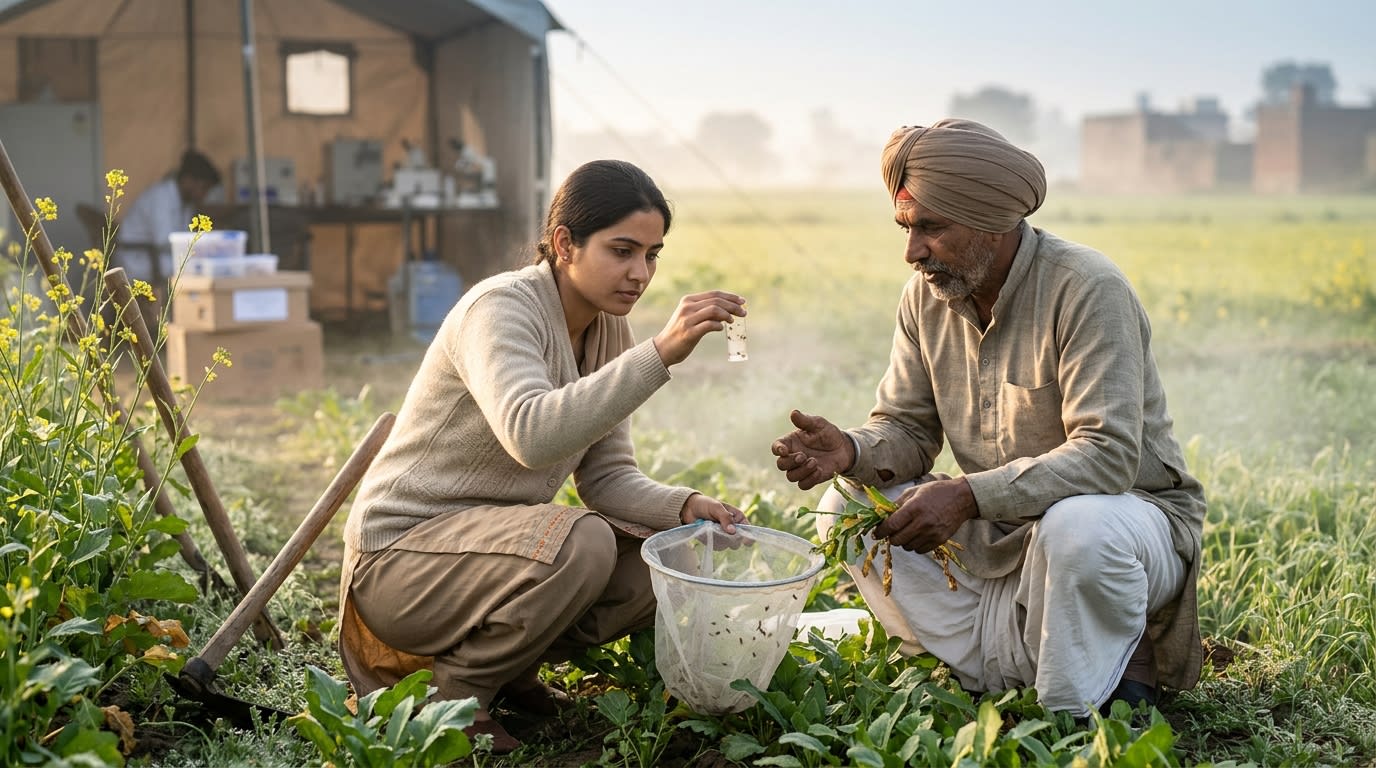
In a significant stride for biological research, scientists have unveiled a remarkable mechanism by which fruit flies modify their internal biological clocks to endure harsh winter conditions. This groundbreaking discovery sheds light on how organisms adapt their physiology to survive seasonal changes, offering valuable insights that could impact various fields, including pest management and human health.
The research reveals that these common insects possess a sophisticated genetic mechanism, dubbed the "winter lock," which effectively reconfigures their circadian rhythm. Instead of maintaining their usual daily cycle, the flies enter a state of suspended animation, remaining largely inactive until warmer weather signals the return of favourable conditions. This seasonal shift in their molecular structure allows them to conserve energy and avoid the cold, demonstrating an extraordinary level of environmental adaptation.
For a country like India, where agriculture is a cornerstone of the economy, understanding such biological adaptations holds immense promise. Pests, including various insect species, pose a constant threat to crops, leading to significant economic losses for farmers. Insights into the fruit fly's winter survival strategy could pave the way for innovative and targeted pest control methods, potentially reducing reliance on chemical pesticides and safeguarding agricultural productivity across diverse Indian climatic zones.
Beyond agriculture, this study also enhances our comprehension of how seasonal variations influence human health. Many physiological processes and health conditions, from mood disorders to metabolic functions, exhibit seasonal patterns. The findings from these tiny insects could provide crucial clues into the molecular underpinnings of these human health issues, informing future research into seasonal affective disorder, metabolic changes during different times of the year, and other climate-influenced ailments prevalent in India's varied geographical landscape.

17-Year-Old Innovator Develops Wearable for Vehicle Detection

Hugh Jackman Backs Australian Sanctuary Campaign to Protect Koalas