Scientists Uncover Superworms' Remarkable Ability to Degrade Plastic
International research has revealed that 'superworms', common pet-store inhabitants, possess a unique capability to break down polystyrene plastic.
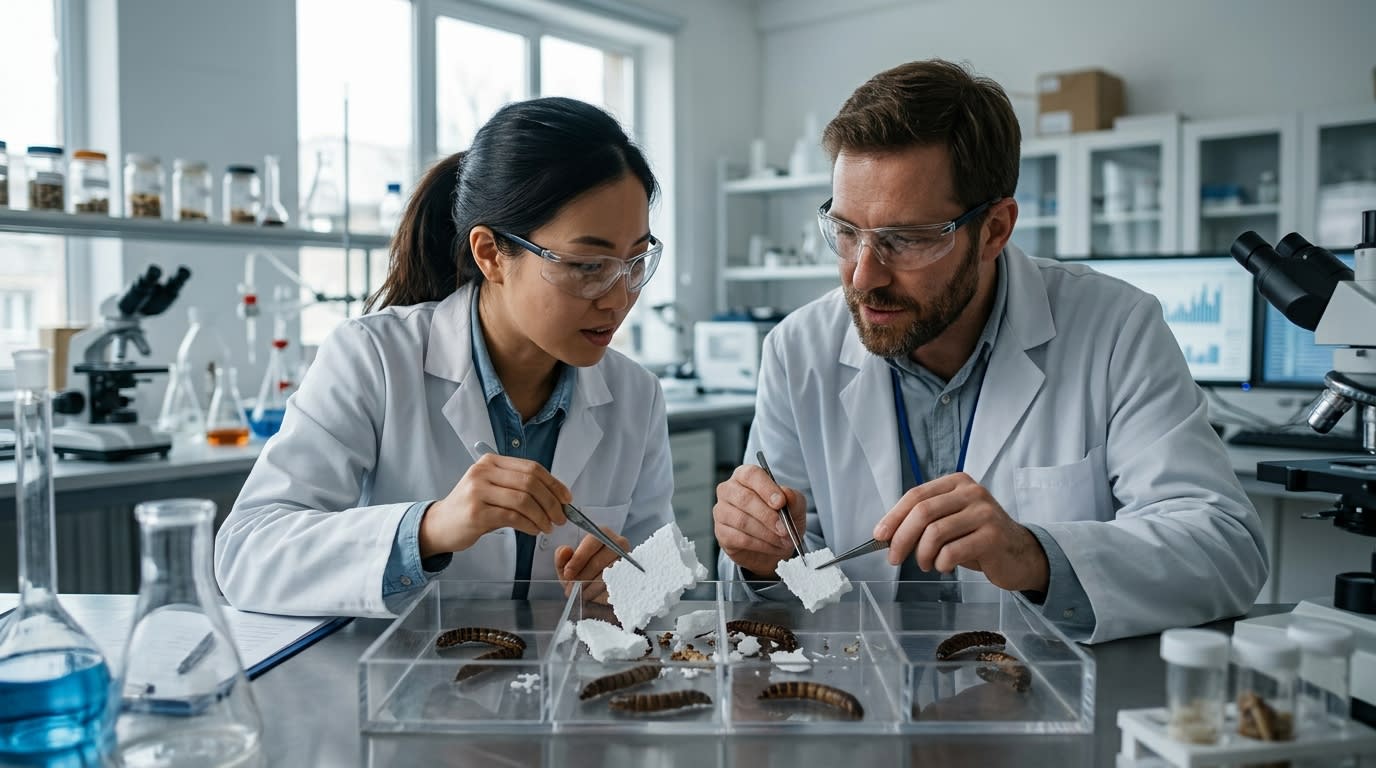
In a promising development for global waste management, scientists have discovered that 'superworms', the larvae of the darkling beetle Zophobas morio, are capable of consuming and degrading polystyrene, a prevalent type of plastic. This breakthrough, published recently, offers a potential biological solution to the escalating plastic pollution crisis that affects countries worldwide, including India.
The study, conducted by international researchers, involved feeding superworms different diets, including polystyrene. They observed that the worms not only survived on a plastic-only diet but also managed to break down the material. Crucially, the research indicated that the worms' gut bacteria play a vital role in this degradation process, producing enzymes that help digest the plastic.
This finding holds significant implications for India, a nation grappling with immense volumes of plastic waste. With rapid urbanisation and consumption, India generates millions of tonnes of plastic waste annually, much of which ends up in landfills or pollutes natural environments. Developing efficient and sustainable methods for plastic disposal is crucial, and biological solutions like this could complement existing recycling efforts.
While the discovery is encouraging, scientists caution that it's not an immediate standalone solution. Further research is necessary to understand the full scope of the superworms' plastic-degrading capabilities, the optimal conditions for their use, and how to scale up this process for industrial application. The focus will now shift towards identifying and culturing the specific gut enzymes responsible for plastic breakdown, potentially paving the way for advanced bio-recycling technologies.

17-Year-Old Innovator Develops Wearable for Vehicle Detection
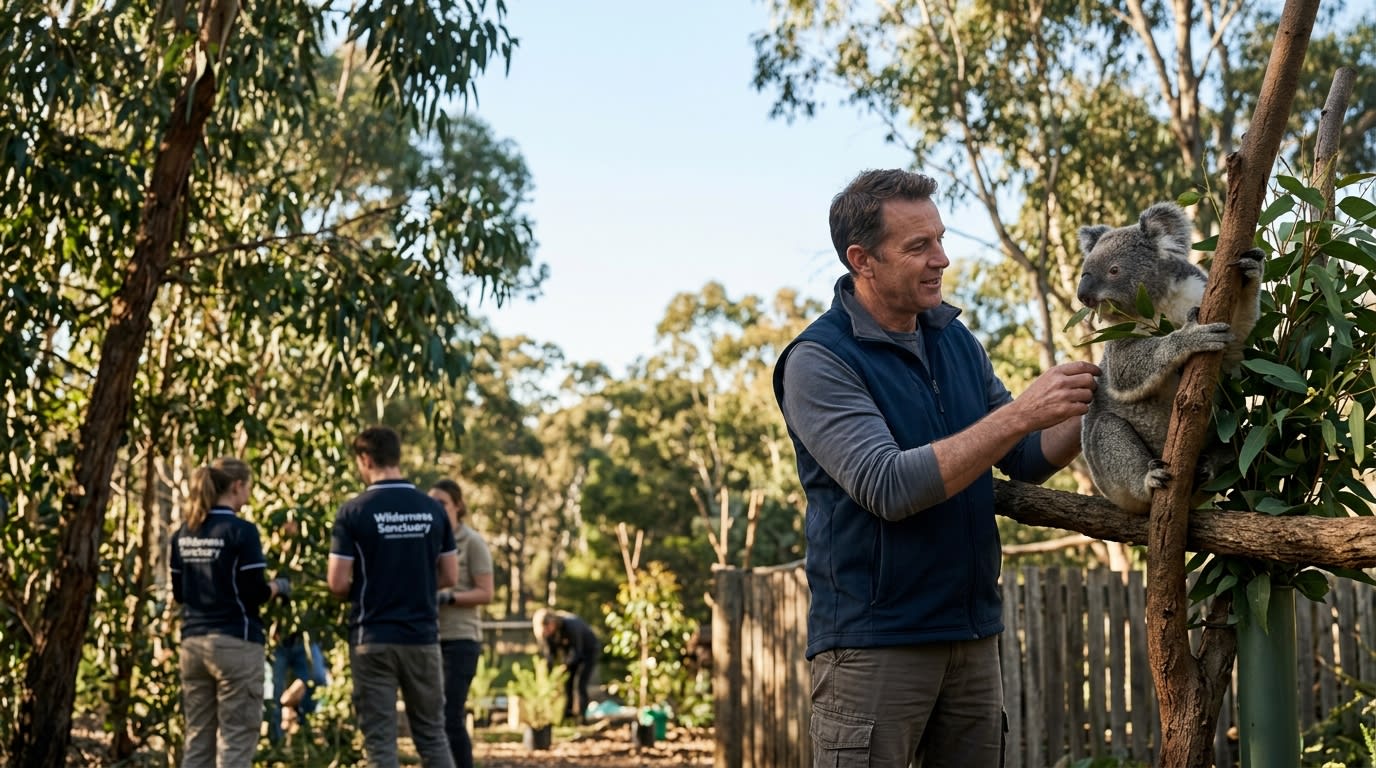
Hugh Jackman Backs Australian Sanctuary Campaign to Protect Koalas