Second Pregnancy Triggers Distinct Brain Changes, New Research Reveals
A new study reveals that a mother's brain undergoes distinct transformations during second pregnancies, enhancing attention and sensory processing.
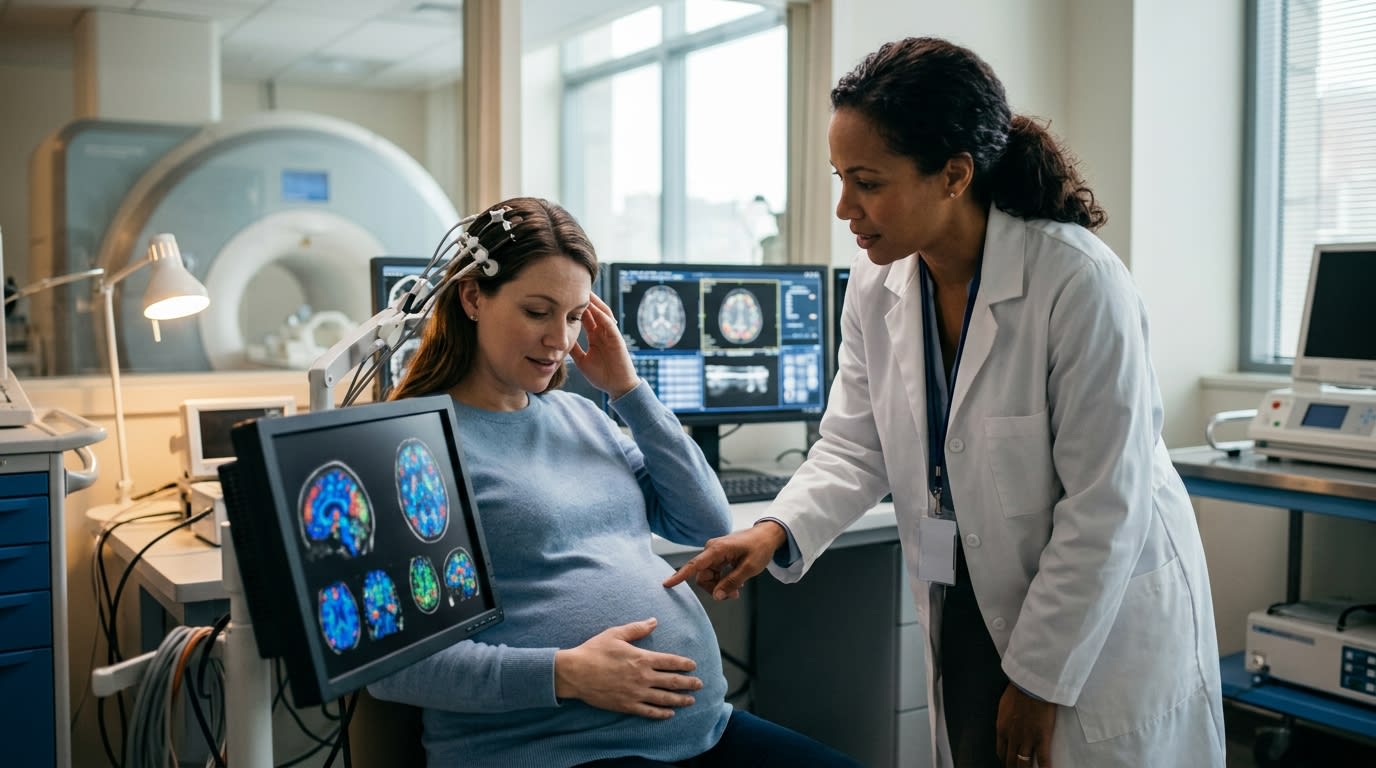
How the Maternal Brain Adapts for Multiple Children
A recent scientific study indicates that the human brain undergoes unique adaptations during a woman's second pregnancy, distinguishing these changes from those observed during a first pregnancy. This new research provides insights into how the maternal brain evolves to support the demands of raising more than one child.
The findings suggest that these distinct neural transformations primarily enhance cognitive functions such as attention and sensory processing. Such adaptations are believed to be crucial for mothers managing the complex needs of multiple children, allowing for more efficient multitasking and responsiveness to different stimuli from their offspring.
Researchers utilised advanced brain imaging techniques, which clearly differentiated between the neural architecture of women experiencing their first pregnancy versus those undergoing a second. These scans highlighted specific regions that remodel, offering a clearer picture of the brain's remarkable plasticity during the peripartum period.
Beyond cognitive enhancements, the study also drew connections between these brain changes and critical aspects of maternal well-being. The research points to potential links with maternal bonding experiences and suggests implications for understanding the risks associated with peripartum depression. This underscores the profound physiological and psychological shifts women navigate.
The study's revelations reinforce the importance of comprehensive mental health support for mothers, particularly as they transition from caring for one child to managing a growing family. While conducted internationally, these insights are highly relevant for healthcare providers and families in India, highlighting the universal need to acknowledge and address the unique challenges mothers face during subsequent pregnancies.

Marine Life to Aid Cyclone Forecasting: Scientists Explore Sharks as Ocean Data Collectors

Benjamin Franklin's Enduring Wisdom: Valuing Knowledge Above All in Science
