Sudan's Acacia Plantations Offer Dual Climate Benefits, Lessons for Global Greening Efforts
Research from Sudan highlights the significant environmental benefits of Acacia senegal plantations, demonstrating enhanced carbon storage and improved soil moisture.
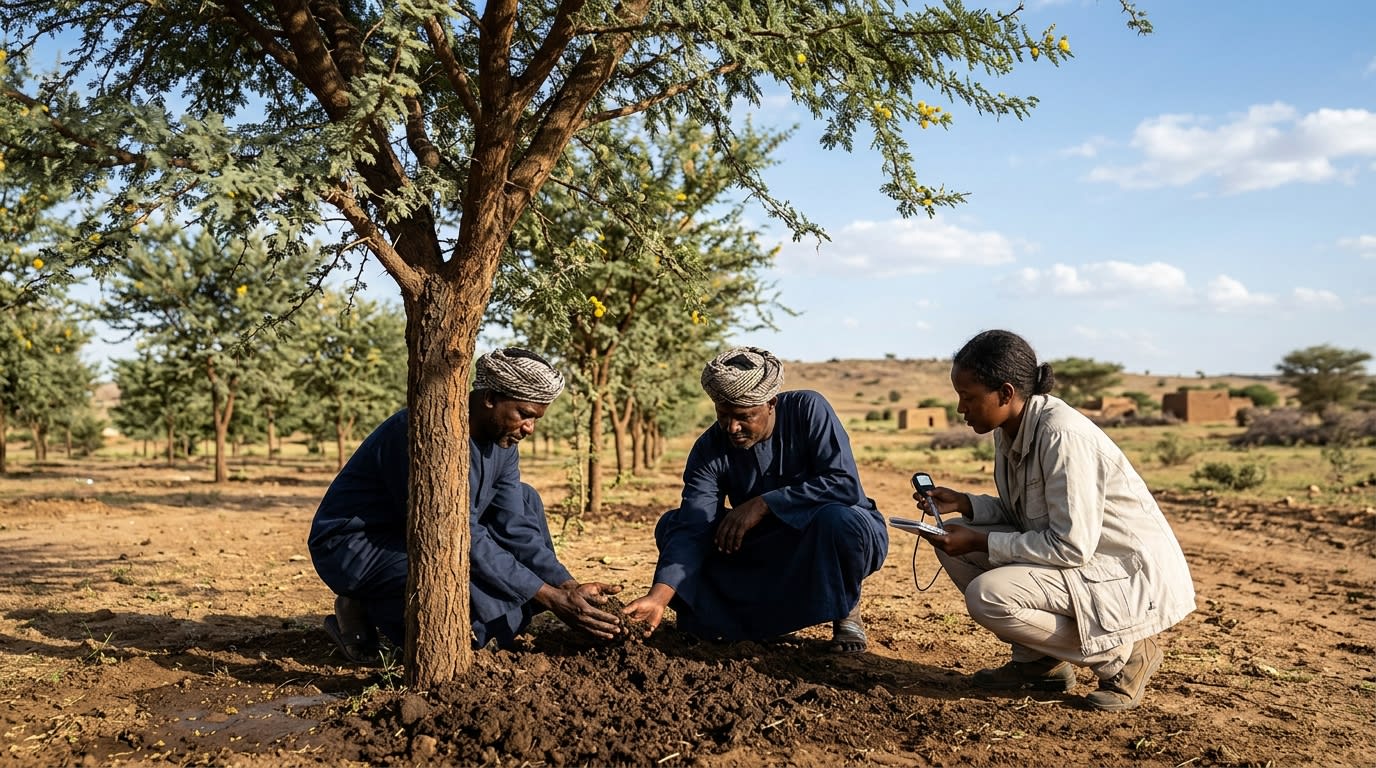
Recent environmental research from Sudan has shed light on the substantial ecological advantages of planting Acacia senegal trees, widely known for producing gum arabic. The study indicates that these plantations offer a dual benefit in combating climate change and enhancing ecosystem resilience: older acacia trees are particularly effective at sequestering atmospheric carbon, while the adjacent grasslands show improved moisture retention.
The findings underscore the long-term potential of mature trees in carbon capture. As these acacia trees age, their capacity to absorb and store carbon dioxide significantly increases, positioning them as a vital natural solution for mitigating greenhouse gas emissions. This insight is particularly relevant for nations grappling with the impacts of climate change, offering a clear pathway for effective reforestation and afforestation strategies.
Beyond carbon sequestration, the study also highlighted the positive impact of these plantations on local hydrology. Grasslands situated near the Acacia senegal trees exhibited markedly higher levels of soil moisture. This improved water retention is crucial for bolstering biodiversity, supporting agricultural productivity in arid regions, and potentially slowing down desertification processes that threaten vast swathes of land globally.
For India, these findings from Sudan hold significant implications. With parts of the country facing similar challenges of land degradation, desertification, and the urgent need for climate action, the success story of Acacia senegal offers valuable lessons. India's own ambitious afforestation programmes, such as the Green India Mission, could potentially integrate similar species or learn from the long-term ecological benefits observed in Sudan to enhance their effectiveness in carbon sequestration and water conservation.
The research from Sudan reinforces the critical role that tree planting and sustainable land management play in achieving global environmental goals. It provides compelling evidence for investing in nature-based solutions that not only address climate change but also foster healthier, more resilient ecosystems for future generations.

17-Year-Old Innovator Develops Wearable for Vehicle Detection
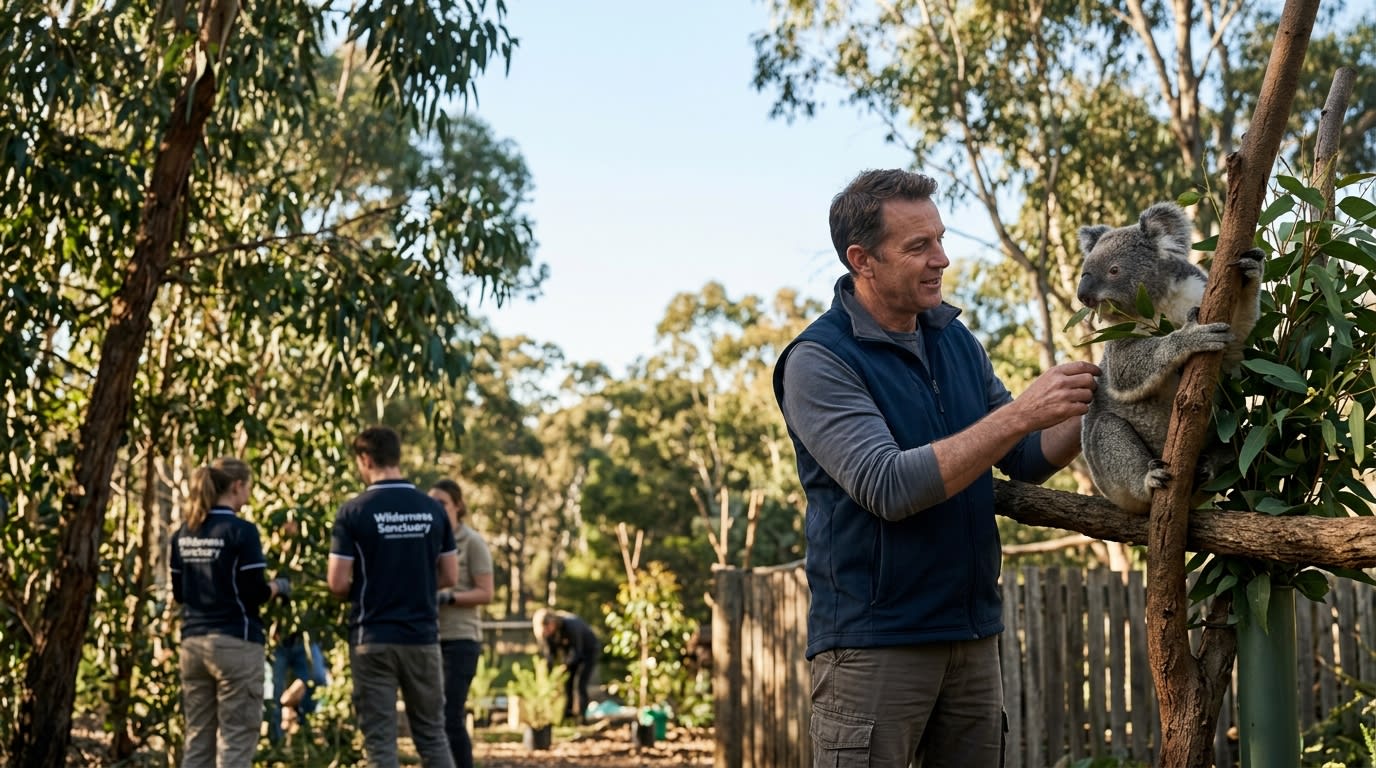
Hugh Jackman Backs Australian Sanctuary Campaign to Protect Koalas