Suez Canal: Over 120 Fish Species Have Crossed Since 1869, More Expected
Since 1869, the Suez Canal has acted as a corridor for 120 fish species between the Red Sea and Mediterranean, profoundly altering ecosystems. Three more may follow.

Since its inauguration in 1869, the Suez Canal has served as an unexpected ecological corridor, facilitating the passage of numerous marine species between the Red Sea and the Mediterranean. Researchers indicate that at least 120 different fish species have already traversed this vital waterway, profoundly altering the marine biodiversity of the region. Recent studies further suggest that three additional fish species are likely to join this growing list, underscoring the canal's continuous and evolving impact on aquatic environments.
This phenomenon, scientifically termed Lessepsian migration, refers to the movement of marine organisms, predominantly from the Red Sea, into the Mediterranean Sea via the man-made canal. Historically, a natural land barrier separated these distinct biomes. However, the construction of the Suez Canal, with its deep waters and comparable salinity levels, eliminated this obstacle, creating an open pathway for species to cross and subsequently establish new populations in unfamiliar territories.
The influx of these 'Lessepsian migrants' has led to significant ecological shifts, particularly evident in the Eastern Mediterranean. Many species originating from the warmer Red Sea have successfully adapted and thrived in the Mediterranean, often outcompeting native species for essential resources and habitats. This competition has resulted in alterations to local food webs and biodiversity, with some indigenous marine populations experiencing declines or displacement. The potential arrival of more species highlights the ongoing nature of this ecological transformation and its long-term implications.
Beyond its ecological role, the Suez Canal remains an indispensable artery for global shipping, connecting Asia, Europe, and Africa. It is a critical route for a substantial portion of India's international trade. The biological exchange observed through this waterway serves as a compelling example of how extensive human infrastructure projects can inadvertently trigger large-scale ecological changes. This global issue of invasive species and their environmental consequences resonates with similar challenges faced in various ecosystems worldwide, including within India's own diverse aquatic habitats.

17-Year-Old Innovator Develops Wearable for Vehicle Detection
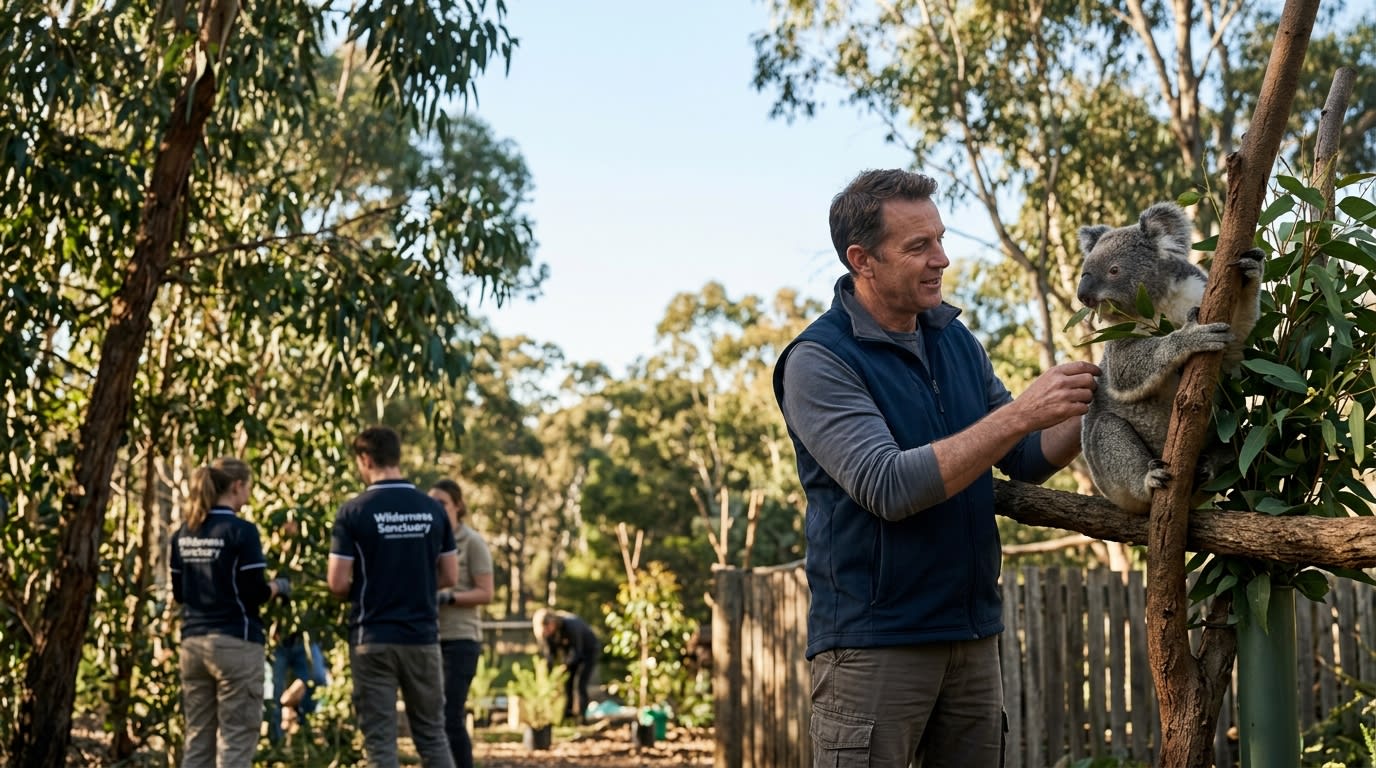
Hugh Jackman Backs Australian Sanctuary Campaign to Protect Koalas