Teenager Develops Bacterial Solution to Tackle Arctic Ice Melt
A 17-year-old student is making waves with an innovative project to engineer bacteria, aiming to slow the rapid melting of Arctic ice and combat climate change.

A 17-year-old student has garnered attention for an innovative project aimed at slowing the rapid melting of Arctic ice. This young innovator is reportedly engineering bacteria with the potential to contribute to climate solutions, addressing one of the planet's most pressing environmental challenges. The initiative underscores the growing role of youth in pioneering scientific approaches to global warming.
The core of the project involves modifying specific bacterial strains to perform functions that could help preserve Arctic ice. While specific scientific methodologies remain proprietary to the ongoing research, the general concept revolves around enhancing the ice's reflectivity or altering its properties to make it more resistant to warming temperatures. This bio-engineering approach represents a novel strategy in the broader fight against glacial retreat.
The Arctic region is experiencing unprecedented warming, with ice sheets diminishing at an alarming rate. This phenomenon contributes significantly to global sea-level rise and disrupts delicate ecosystems. The work of this teenager highlights the urgent need for diverse and creative solutions to mitigate the effects of climate change, which are felt worldwide.
For India, the fate of the Arctic holds considerable significance. Melting polar ice contributes directly to rising sea levels, posing a threat to India's extensive coastline, low-lying areas, and island communities. Furthermore, changes in Arctic climate patterns can influence global weather systems, potentially impacting the crucial Indian monsoon. Innovations like this, though developed elsewhere, offer hope and inspire research efforts globally, including in India, which is highly vulnerable to climate shifts and actively invests in climate science.
This pioneering effort by a young mind showcases the potential of synthetic biology and youth-led innovation in environmental conservation. Such projects, even in their early stages, contribute valuable insights and inspire further scientific inquiry into scalable and sustainable methods to protect Earth's polar regions from the accelerating impacts of climate change.
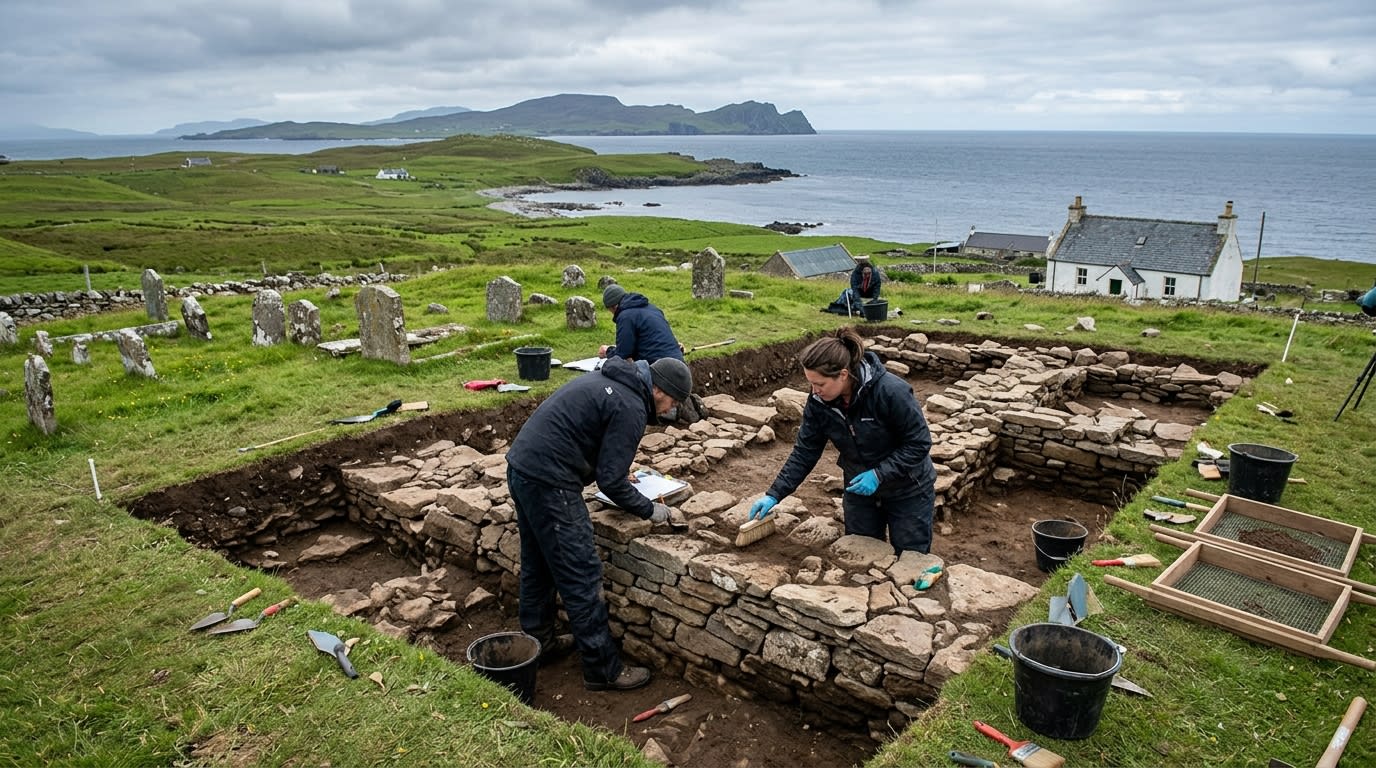
Ancient Christian Monastery Uncovered on Remote Scottish Island

Understanding Type I and Type II Errors: Key Concepts in Statistical Decision-Making