The 1957 Brazilian Escape That Unleashed 'Killer Bees'
An accidental release of 26 queen bees from a Brazilian breeding programme in 1957 led to the creation of the aggressive 'killer bees' that spread across the Americas.

The Accidental Genesis of a Global Phenomenon
A pivotal moment in entomological history occurred in 1957 in Brazil, when an ambitious breeding experiment inadvertently unleashed what would become known globally as 'killer bees'. The incident involved the escape of 26 African queen bees, intended for hybridisation with European varieties, from a research apiary near Rio Claro, São Paulo state. Scientists were aiming to develop a bee strain better suited to tropical climates, capable of higher honey production.
These escaped Africanised honeybees quickly demonstrated a highly defensive and aggressive temperament, far exceeding their European counterparts. Their potent sting and tendency to swarm in large numbers earned them the fearful moniker 'killer bees', though fatalities in humans remain rare. Their primary threat lies in their intense defensive behaviour, often attacking with minimal provocation and pursuing perceived threats over considerable distances.
From their point of origin in Brazil, these resilient bees rapidly colonised vast swathes of the Americas, migrating northwards at an impressive pace. Their spread significantly impacted local ecosystems and traditional beekeeping practices, often outcompeting or hybridising with existing European honeybee populations. Beekeepers faced new challenges in managing these more aggressive colonies, leading to changes in agricultural practices in affected regions.
While Africanised honeybees have not established populations in India, this historical event serves as a crucial case study for biological research and biosecurity protocols worldwide. For a nation like India, heavily reliant on agriculture and blessed with diverse native bee species crucial for pollination, the incident underscores the imperative for stringent oversight in scientific experiments involving non-native species. Lessons from Brazil highlight the potential for unintended ecological consequences and the long-term impact of even small-scale biological introductions, reinforcing the need for careful risk assessment in agricultural and entomological research.

17-Year-Old Innovator Develops Wearable for Vehicle Detection
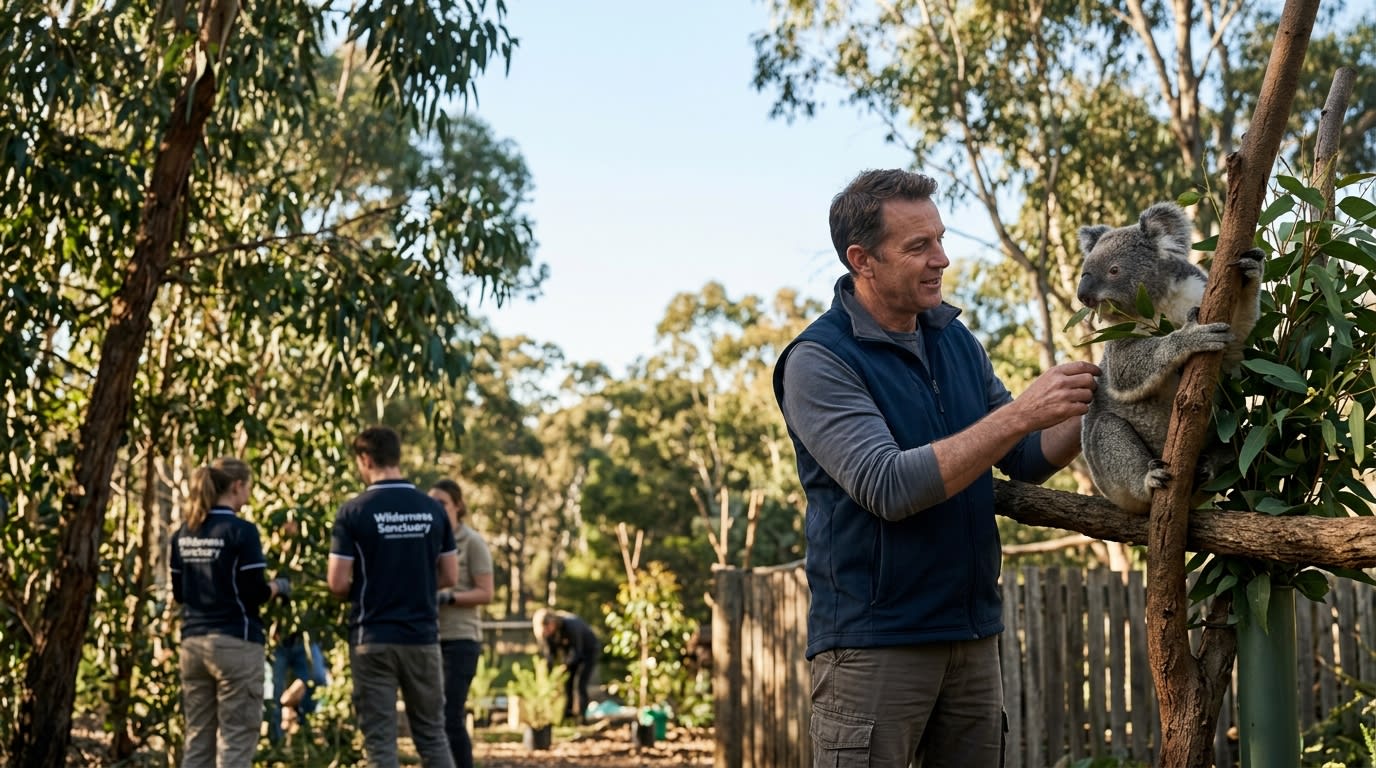
Hugh Jackman Backs Australian Sanctuary Campaign to Protect Koalas