The Great Depression: How a Global Crisis Deepened India's Fight for Freedom
Explore how the global economic crisis of the Great Depression in 1929 devastated colonial India, fueling the nationalist movement and accelerating the fight for freedom.
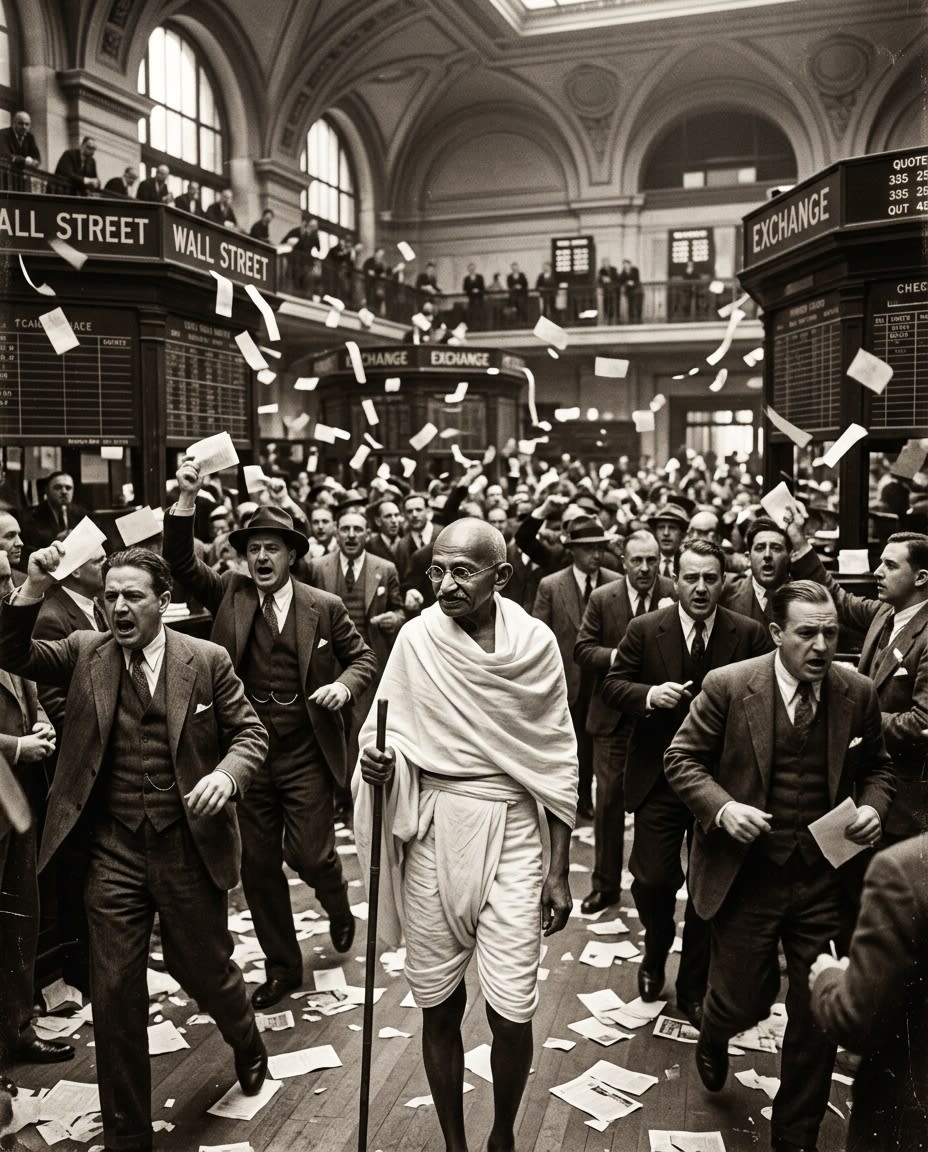
In 1929, the world was plunged into an unprecedented economic crisis known as the Great Depression, triggered by the Wall Street Crash in the United States. This cataclysmic event, which saw industrial production plummet, unemployment skyrocket, and international trade grind to a halt, sent shockwaves across the globe. Far from being an isolated Western phenomenon, its devastating effects reverberated deeply in colonial India, profoundly impacting its economy, society, and the burgeoning nationalist movement.
India, under British rule, was primarily an agricultural economy, heavily reliant on exporting raw materials like jute, cotton, wheat, and oilseeds to global markets. As international demand collapsed and commodity prices plummeted by 50% or more, Indian farmers, already burdened by heavy land revenue demands and chronic indebtedness, found themselves in dire straits. Their cash crops, which once offered a meager livelihood, now fetched prices that barely covered cultivation costs, let alone allowed them to repay loans or meet colonial tax obligations. This widespread agricultural distress led to evictions, land seizures, and a surge in rural poverty, pushing millions to the brink of starvation.
Compounding the economic misery was the controversial "gold drain" policy pursued by the British administration. As the value of the British pound sterling came under pressure internationally, the colonial government encouraged the export of gold from India. Desperate to survive, impoverished Indian families were forced to sell their ancestral gold ornaments – often their only form of savings and security – to moneylenders and traders. This gold was then shipped to Britain, helping to stabilize the British economy at the expense of India's already impoverished populace. Between 1931 and 1941, an estimated £350 million worth of gold was extracted from India, a staggering amount that fueled nationalist outrage and highlighted the exploitative nature of colonial rule.
The economic hardship created fertile ground for the Indian nationalist movement, led by Mahatma Gandhi and the Indian National Congress. Gandhi skillfully linked the economic suffering of the masses directly to British economic exploitation and the lack of Indian control over its own destiny. The Civil Disobedience Movement, launched in 1930 with the iconic Salt Satyagraha, gained immense traction as people connected the demand for political independence (Purna Swaraj) with the promise of economic relief and self-sufficiency. The widespread distress made ordinary Indians more receptive to calls for non-cooperation and resistance against the colonial government, which seemed indifferent to their plight.
The British colonial administration, preoccupied with maintaining order and protecting imperial interests, offered little effective relief. Their primary focus remained on ensuring the stability of the imperial financial system, often at India's expense. While some measures like debt relief acts were eventually introduced, they were largely insufficient to address the scale of the crisis. The colonial government's perceived inaction and its continued insistence on collecting high land revenues further alienated the Indian population and solidified the belief that only self-rule could bring genuine economic justice.
The Great Depression left an indelible mark on India. It not only exacerbated poverty and inequality but also profoundly shaped the political landscape. It exposed the inherent vulnerabilities of a colonial economy tied to the whims of global markets and an imperial power that prioritized its own interests. The experience of the Depression solidified the nationalist demand for economic independence, influencing the economic planning and self-reliance policies adopted by independent India's first leaders. It served as a stark reminder of the need for indigenous industrialization and diversified economic strategies to protect the nation from external shocks.
Ultimately, the Great Depression was more than just an economic downturn for India; it was a critical turning point that intensified the struggle for freedom. It galvanized millions, transforming economic grievances into a powerful political force, and accelerating India's journey towards achieving complete independence from British rule.

India's Diplomatic Stand: How Nehru Navigated the Suez Crisis

The 1969 Presidential Election: When a 'Conscience Vote' Divided a Nation's Dominant Party
