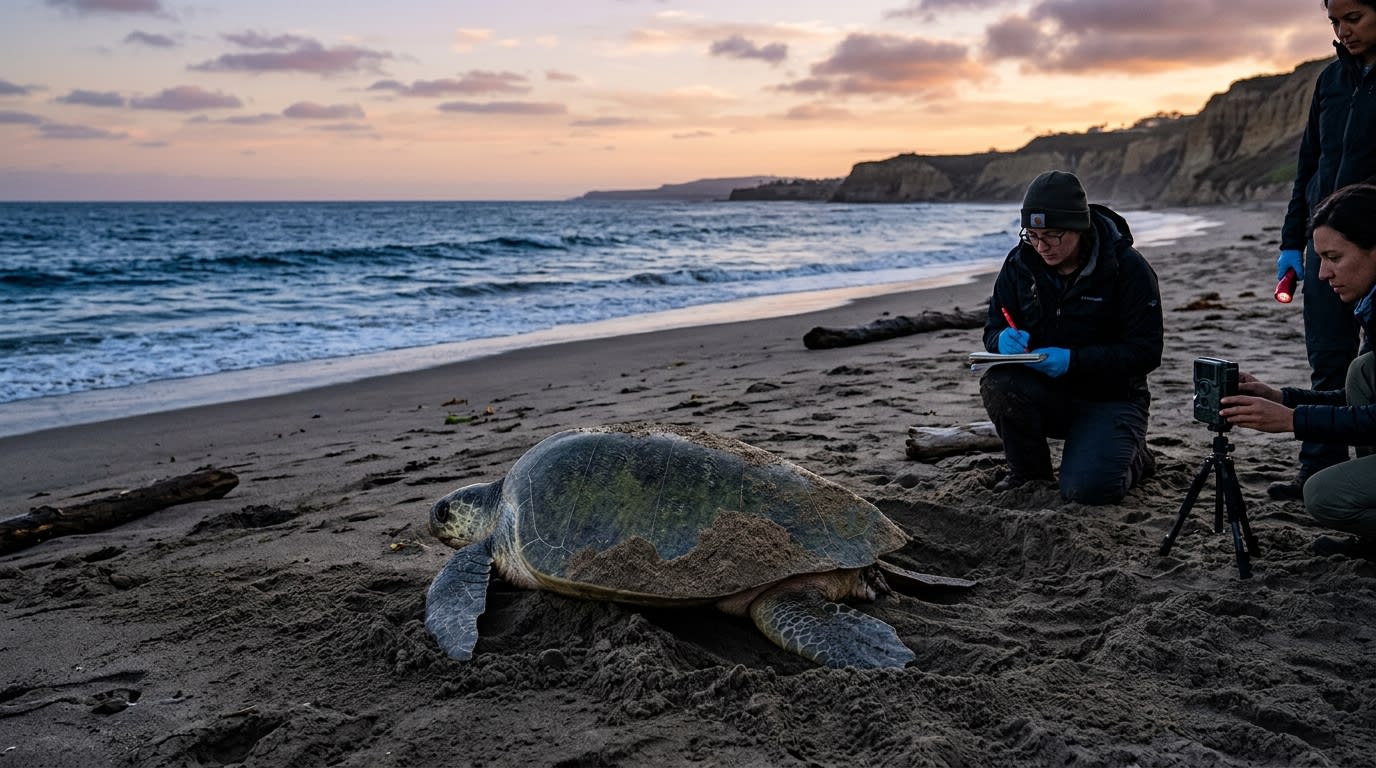
Tilcayo: New Wild Cat Species Discovered in Bolivia After Over a Century
Scientists have identified 'Tilcayo', a new wild cat species in Bolivia, marking the first such discovery in over a century. Genetic analysis reveals a 1.4-million-year divergence.
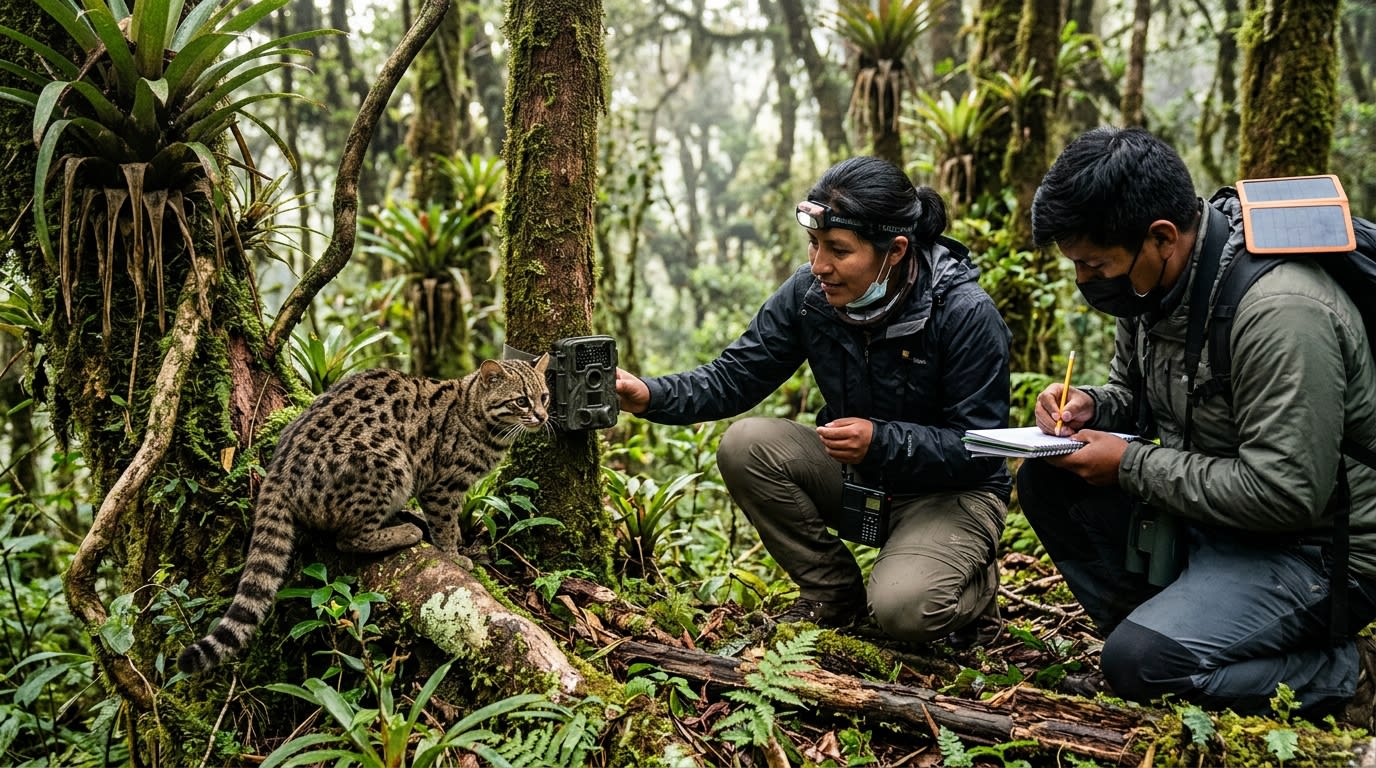
Scientists have announced the groundbreaking discovery of a new wild cat species in Bolivia, a remarkable event marking the first such identification in over a century. Named 'Tilcayo', this elusive feline adds a significant chapter to the world's known biodiversity, underscoring the vast, unexplored ecosystems that continue to yield scientific wonders, particularly in regions like the Andes mountains of South America.
The identification was made possible through extensive genetic analysis. Researchers found that the Tilcayo lineage separated from other "tiger cats" – a collective term for several small, spotted wild cat species native to Central and South America – approximately 1.4 million years ago. This ancient divergence highlights its unique evolutionary trajectory and establishes its distinct place within the broader feline family, differentiating it from its closest relatives such as the southern tiger cat.
This discovery holds immense significance, especially amidst global concerns over habitat destruction and species loss. The identification of a new mammal, particularly a carnivorous one, is an increasingly rare occurrence in modern zoology. It serves as a powerful reminder of the hidden biodiversity that still exists and the urgent need for sustained scientific exploration and robust conservation initiatives worldwide. For India, a nation renowned for its own rich feline diversity, including iconic species like tigers and leopards, such global revelations reinforce the universal importance of wildlife preservation.
Despite the excitement surrounding its formal identification, much about the Tilcayo remains shrouded in mystery. Scientists currently possess limited information regarding its specific biology, ecological behaviours, and typical lifestyle patterns. Future research will be crucial in understanding its habitat preferences, dietary habits, and overall population status, which will be vital for developing effective strategies to ensure its long-term survival in its natural environment.

17-Year-Old Innovator Develops Wearable for Vehicle Detection

Hugh Jackman Backs Australian Sanctuary Campaign to Protect Koalas