Tiruppur Yarn Producers Seek Garment Sector's Backing to Reshape CCI's Role
Tiruppur's yarn producers are urging garment manufacturers to support their call for a re-evaluation of the Cotton Corporation of India's market role.
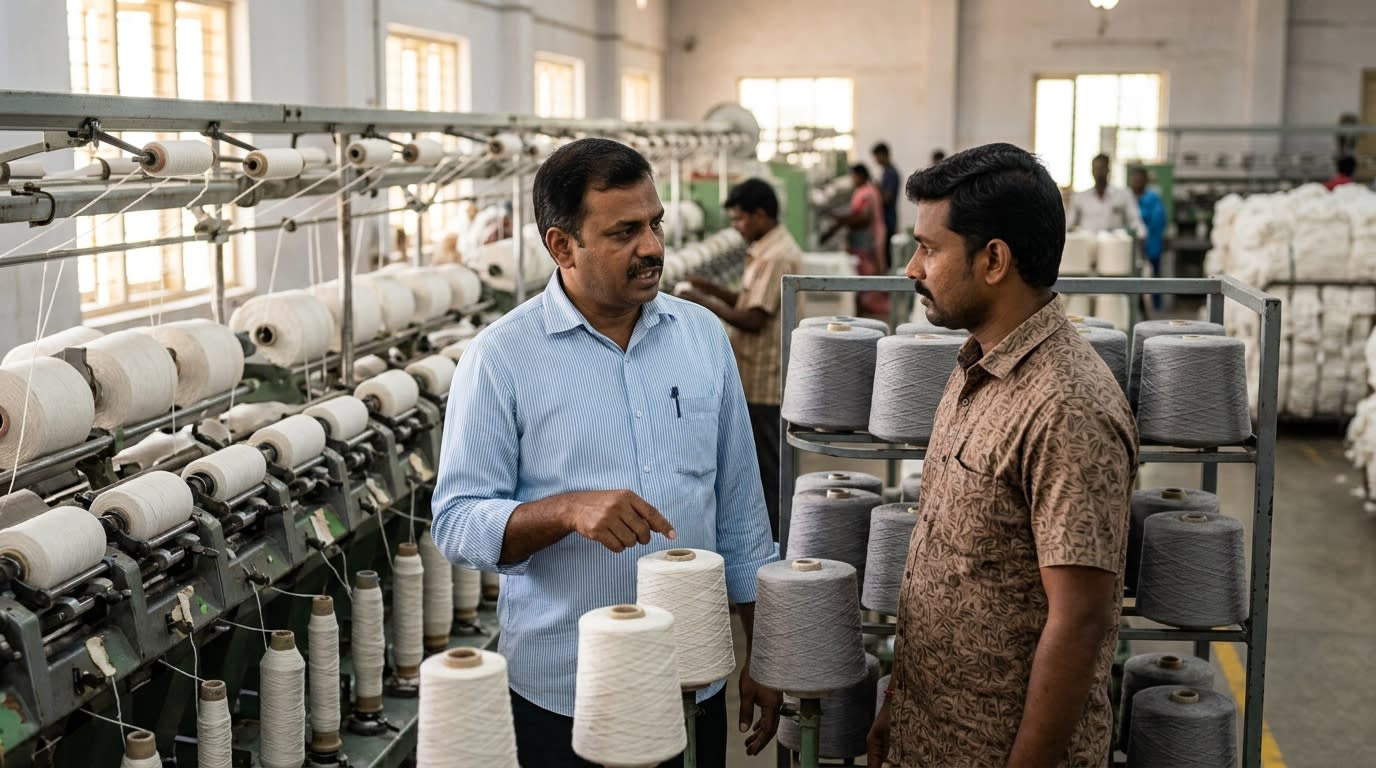
Tiruppur, a prominent hub for India's knitwear industry, is witnessing a concerted effort from its yarn producers who are seeking crucial support from local garment manufacturers. The objective is to collectively advocate for a significant modification in the operational role of the Cotton Corporation of India (CCI), a move that stakeholders believe is essential for the stability and competitiveness of the entire textile value chain.
Spinning mill owners in the region have voiced concerns that the current market interventions and procurement policies of the CCI sometimes lead to volatility in raw material prices, particularly for cotton, which forms the backbone of their production. They argue that these policies can inadvertently create an imbalance in the supply chain, impacting their ability to procure cotton at competitive rates and maintain stable yarn prices for downstream industries.
The appeal to garment manufacturers stems from the interconnected nature of the textile sector. Yarn producers believe that any instability in yarn pricing or supply directly affects the profitability and export competitiveness of garment units. By presenting a united front, both segments of the industry aim to impress upon policymakers the broader economic implications of the CCI's current mandate and the need for reforms that foster a more predictable and equitable market environment.
Stakeholders are proposing that a modified role for the CCI could focus more on market stabilisation without distorting natural supply-demand dynamics, ensuring a consistent and affordable supply of quality cotton for domestic spinning mills. Such a change, they contend, would not only benefit yarn producers but also safeguard the interests of garment exporters, ultimately strengthening India's position in the global textile market and supporting countless livelihoods in Tiruppur and beyond.

US President Trump Unveils Venezuela Oil Deal, Aims to Lower Global Energy Prices

Samsung India’s Profit Plunges 36% to ₹7,228 Crore in FY26 Amidst Stiff Competition
