Trout Stocking Decimates Sierra Nevada Yellow-Legged Frog Habitats
A recent study reveals that the introduction of non-native trout species has led to a drastic 92% reduction in the habitat of Sierra Nevada yellow-legged frogs.
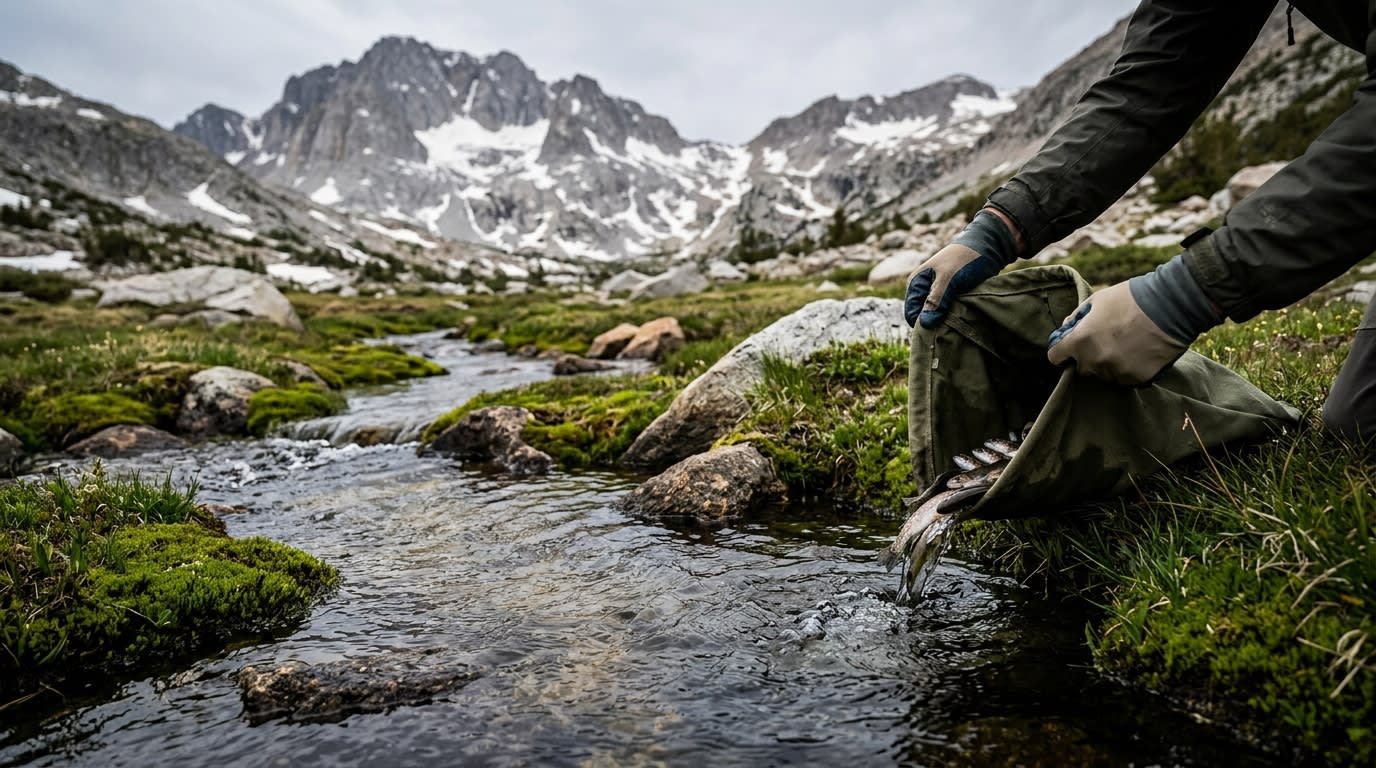
A recent scientific study has highlighted the severe ecological impact of introducing non-native trout species into the pristine waterways of the Sierra Nevada mountains. The research indicates that these introduced fish have been a primary factor in pushing the native Sierra Nevada yellow-legged frog from a staggering 92% of its historical range.
For decades, various species of trout were stocked in mountain lakes and streams across the Sierra Nevada, primarily to enhance recreational fishing opportunities. However, these seemingly benign interventions have had devastating, unintended consequences for the indigenous amphibian populations. The non-native trout are voracious predators, preying heavily on the tadpoles and juvenile frogs, disrupting the delicate balance of the aquatic ecosystem.
This drastic decline underscores the fragility of high-altitude ecosystems and the cascading effects of human intervention. The Sierra Nevada yellow-legged frog plays a crucial role in its native habitat, acting as both predator and prey, thereby influencing the health and stability of the entire food web. Its disappearance from vast stretches of its range signals a significant loss of biodiversity and ecosystem function.
Conservationists and scientists are now grappling with strategies to restore these imperilled frog populations, which often involves complex and resource-intensive efforts to remove the introduced trout from critical habitats. Such initiatives aim to create safe havens where the native frogs can once again thrive and re-establish their presence.
For India, this case serves as a poignant reminder of the potential ecological damage from introducing non-native species or altering natural habitats without thorough environmental impact assessments. Sensitive ecosystems across India, from the Himalayas to the Western Ghats, face similar threats from invasive species and human activities, underscoring the universal importance of thoughtful biodiversity management and conservation efforts.

17-Year-Old Innovator Develops Wearable for Vehicle Detection
Hugh Jackman Backs Australian Sanctuary Campaign to Protect Koalas