Trump's Procurement Ban Escalates US-Canada Trade Tensions
Former US President Donald Trump has intensified trade tensions with Canada, blocking Canadian goods from US federal procurement. This move aligns with a 'Buy American' policy.
Trump's Procurement Ban Escalates US-Canada Trade Tensions
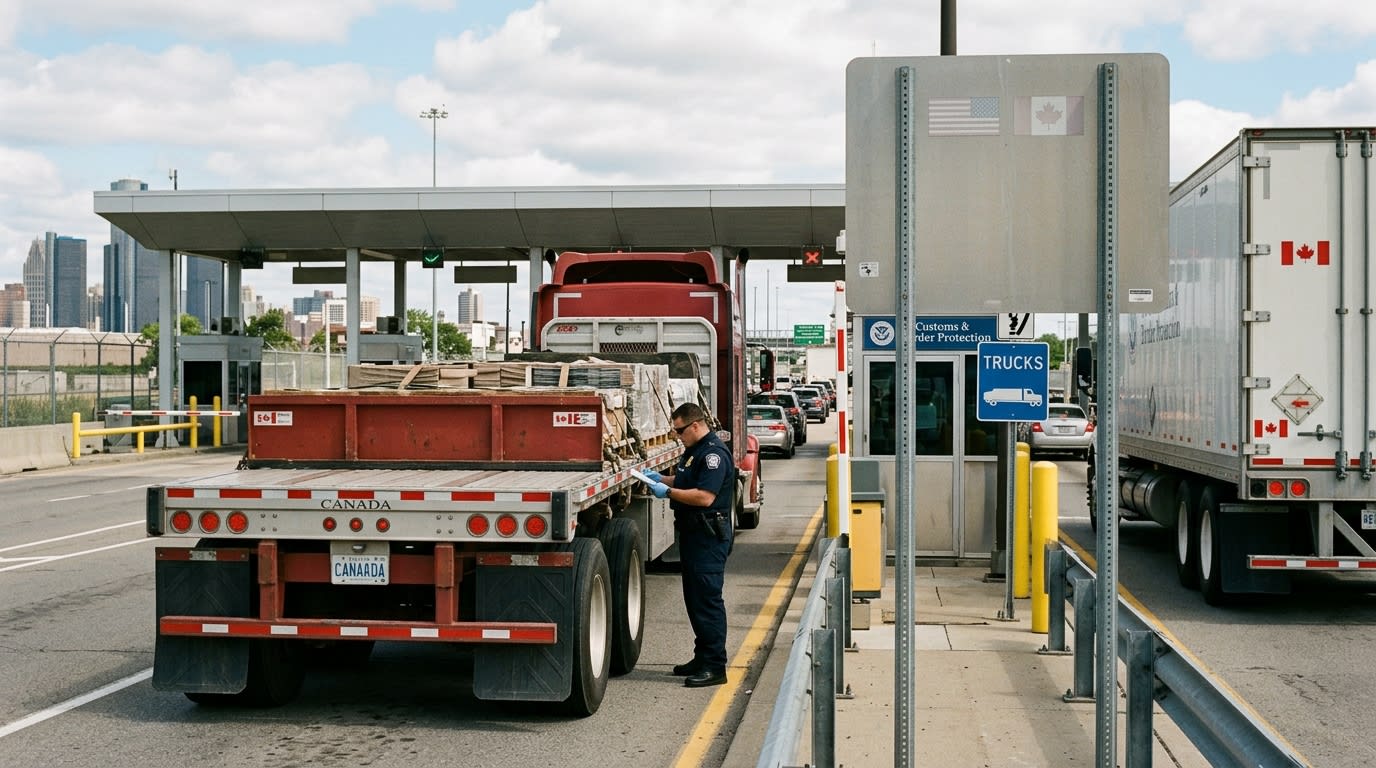
Former US President Donald Trump has further intensified the trade dispute with neighbouring Canada by issuing a memorandum aimed at preventing Canadian-manufactured goods from being included in US federal government procurement contracts. This directive marks a significant escalation in the ongoing economic friction between the two North American allies.
The move aligns with the former administration's broader "Buy American" policy, which prioritises domestically produced goods and services for government purchases. While the US and Canada share one of the world's largest bilateral trading relationships, it has frequently been marred by disputes over various sectors, including steel, aluminium, and agricultural products, particularly dairy.
This latest measure specifically targets the public procurement sector, potentially impacting Canadian industries that supply goods to US federal agencies. Such a policy could lead to reduced market access for Canadian manufacturers, forcing them to seek alternative markets or face significant revenue losses from lucrative government contracts across the border.
For India, while not directly involved, such protectionist actions by a major global economy like the United States are closely watched. They signal a continuing trend towards economic nationalism and a potential fragmentation of global supply chains. Indian policymakers and businesses keenly observe these developments as they can influence multilateral trade negotiations, global economic stability, and the overall environment for international commerce, potentially affecting India's own export landscape and trade agreements.
The long-term implications of this directive on the intricate US-Canada economic relationship and broader international trade norms remain to be fully seen. It underscores a challenging period for global trade, where traditional alliances face strain under evolving protectionist pressures.

US President Trump Unveils Venezuela Oil Deal, Aims to Lower Global Energy Prices

Samsung India’s Profit Plunges 36% to ₹7,228 Crore in FY26 Amidst Stiff Competition
