UK Experiment Shows Beavers Significantly Reduce Peak Water Flow in Forests
A British ecological project demonstrated a remarkable 46.6% reduction in peak water flow over five years after introducing two beavers into a 10-hectare forest.
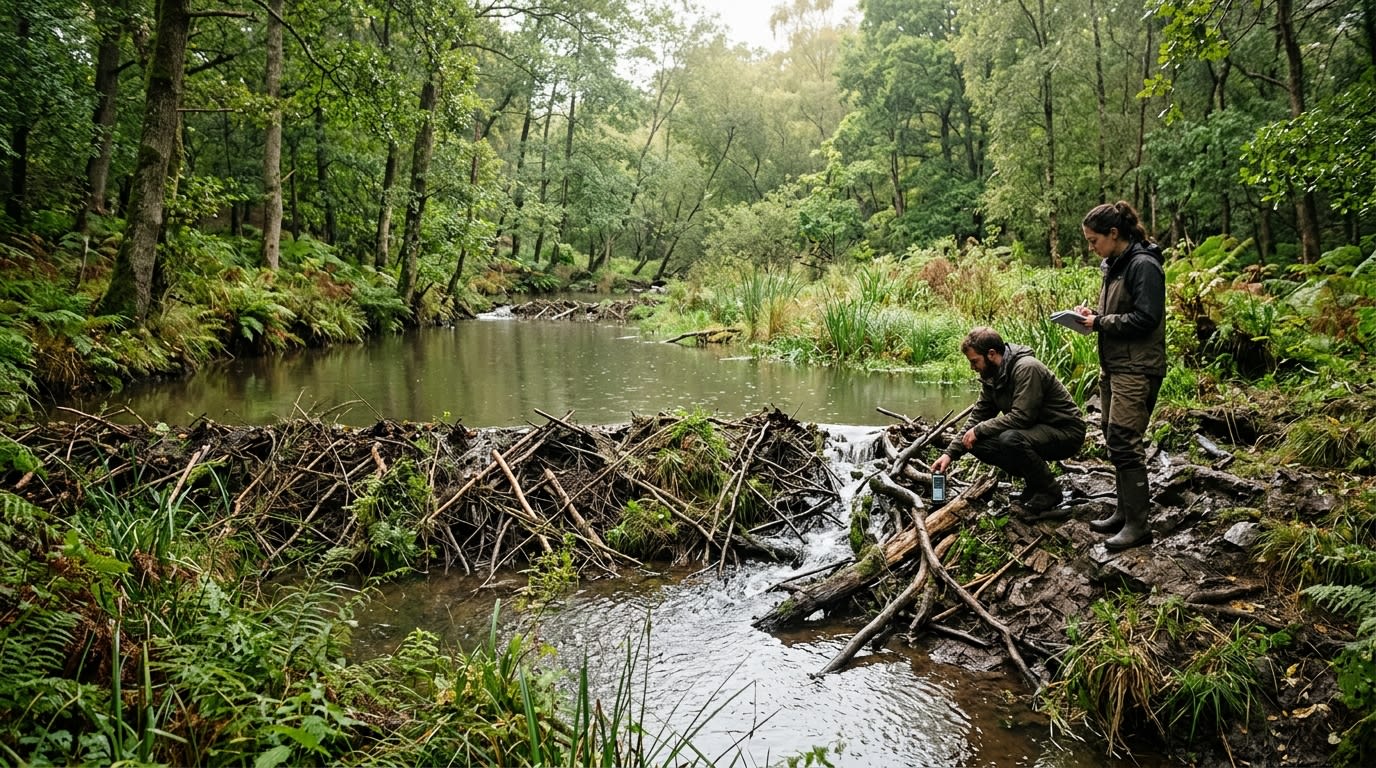
A recent ecological initiative in the United Kingdom has highlighted the significant impact of beavers on water management, particularly in mitigating peak water flows. Following the introduction of just two beavers into a 10-hectare forest area, researchers observed a substantial 46.6 per cent reduction in peak water flow over a five-year period.
This remarkable outcome underscores the role of beavers as natural ecosystem engineers. By constructing dams and creating a network of ponds and wetlands, these rodents effectively slow down water movement, increase water storage capacity, and enhance natural flood defences. Their activities contribute to a more regulated water flow, preventing rapid surges that can lead to flooding downstream.
The findings from this British project add to a growing body of evidence supporting the reintroduction of beavers in various landscapes across Europe and North America. Beyond flood mitigation, beaver-created habitats also boost biodiversity by supporting a wider array of plant and animal species, including insects, amphibians, and birds.
For India, a nation grappling with both monsoonal floods and periods of water scarcity, such nature-based solutions offer valuable insights. While beavers are not native to India, the principle of leveraging natural processes for water management holds immense relevance. India's ongoing efforts in watershed development, ecological restoration, and traditional water harvesting systems could draw parallels from successful global ecological engineering projects, adapting concepts to suit local ecosystems and species for sustainable water security.

17-Year-Old Innovator Develops Wearable for Vehicle Detection

Hugh Jackman Backs Australian Sanctuary Campaign to Protect Koalas