US-China AI Rivalry Intensifies, Global Tech Landscape Under Scrutiny
The escalating competition between the United States and China in artificial intelligence (AI) is casting a long shadow over global technological advancements and strategic power dynamics.
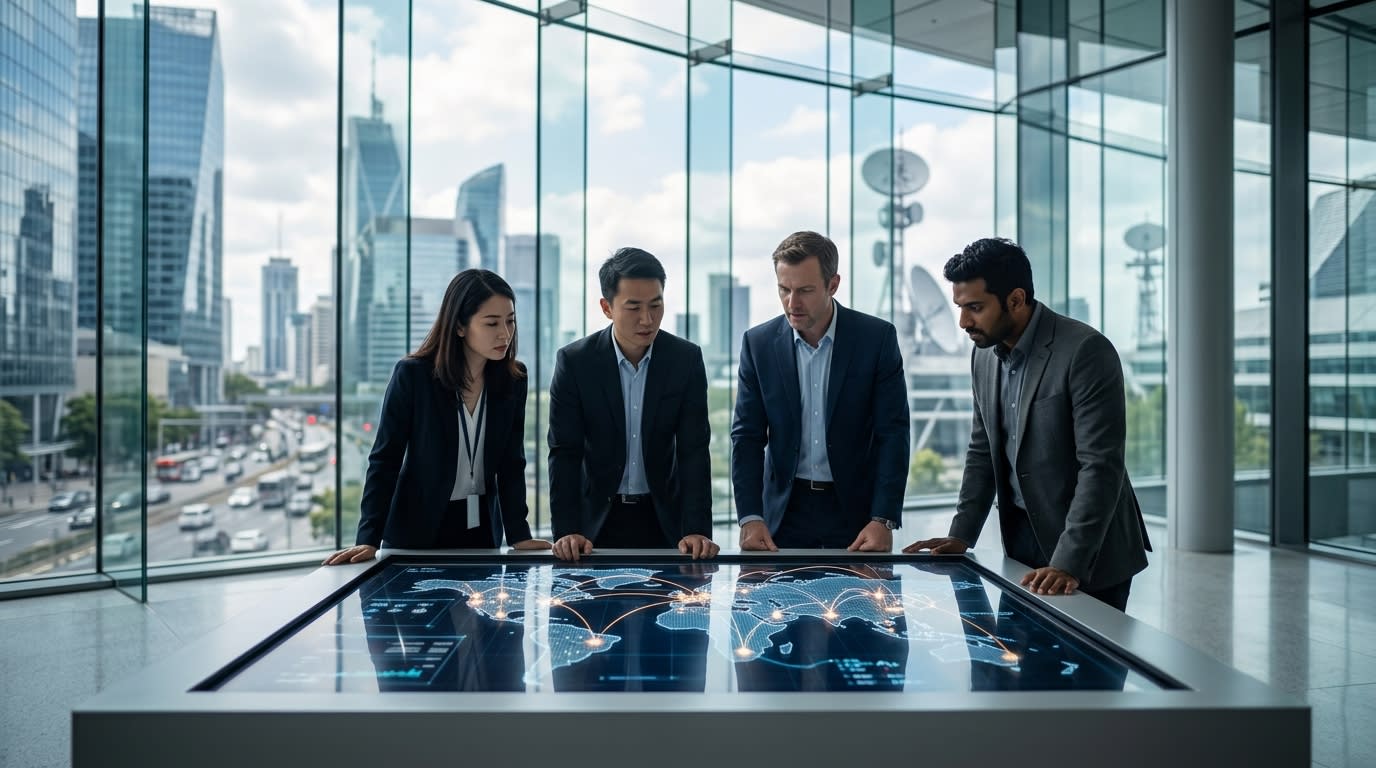
The escalating competition between the United States and China in artificial intelligence (AI) is casting a long shadow over global technological advancements and strategic power dynamics. Both nations view AI supremacy as fundamental to their future economic prosperity and military strength, leading to significant friction on multiple fronts.
The race for AI dominance extends beyond mere technological innovation, encompassing critical sectors from defence capabilities to industrial productivity. Washington and Beijing are investing heavily in AI research and development, recognising its transformative potential across industries and its strategic implications for national security.
Key points of contention include restricted access to advanced semiconductor chips, which are vital for powering sophisticated AI systems. Allegations of intellectual property theft and differing approaches to AI industry regulation further exacerbate tensions. Each side is keen to protect its technological edge while also seeking to limit the other's progress.
For India, a burgeoning tech hub and a significant player in the global digital economy, this intensifying US-China AI rivalry presents both challenges and opportunities. Disruptions in global technology supply chains, particularly for critical components like chips, could impact India's own digital growth ambitions. Furthermore, the geopolitical implications could influence India's strategic partnerships and its approach to developing indigenous AI capabilities, necessitating careful navigation of global tech alliances.
As AI continues to redefine the future, the strategic competition between these two global giants is set to remain a defining feature of international relations, with ripple effects felt across technology markets and geopolitical spheres worldwide.

Macron Urges Global Community to Uphold UN Principles Amidst International Crises

Anthropic Unveils New Claude AI Amidst Global Calls for Development Slowdown
