US Environmental Tragedy: How a Neighbourhood Built on 22,000 Tonnes of Toxic Waste Led to Children's Burns
A 1970s US disaster saw a residential area built atop 22,000 tonnes of buried toxic waste, leading to children suffering chemical burns and widespread contamination.

A chilling environmental disaster from the 1970s in the United States serves as a stark reminder of the perils of unchecked industrial pollution. A residential area, built atop a massive repository of buried toxic waste, witnessed children returning home with chemical burns, exposing a grave public health crisis.
This particular site, originally envisioned as a significant canal project, regrettably transformed over decades into an unregulated dumping ground. Approximately 22,000 tonnes of industrial and municipal waste were interred here, creating a hidden hazard beneath what would eventually become a thriving community.
The hidden dangers surfaced dramatically in 1976. Unprecedented rainfall overwhelmed the area, causing the buried hazardous chemicals to leach into nearby homes and the surrounding environment. This catastrophic event led to the immediate displacement of numerous families and severe contamination of their properties.
The widespread health issues, particularly the burns suffered by children, and the extensive environmental damage, compelled the US government to act decisively. This incident became a pivotal case that ultimately led to the establishment of the Superfund program, a landmark initiative dedicated to identifying and cleaning up hazardous waste sites across the nation.
While a historical event in the US, the Love Canal tragedy offers crucial lessons for developing nations like India. It underscores the critical importance of stringent environmental regulations, comprehensive waste management policies, and careful urban planning, especially in rapidly industrialising zones, to prevent similar human-made ecological catastrophes and safeguard public health.

17-Year-Old Innovator Develops Wearable for Vehicle Detection
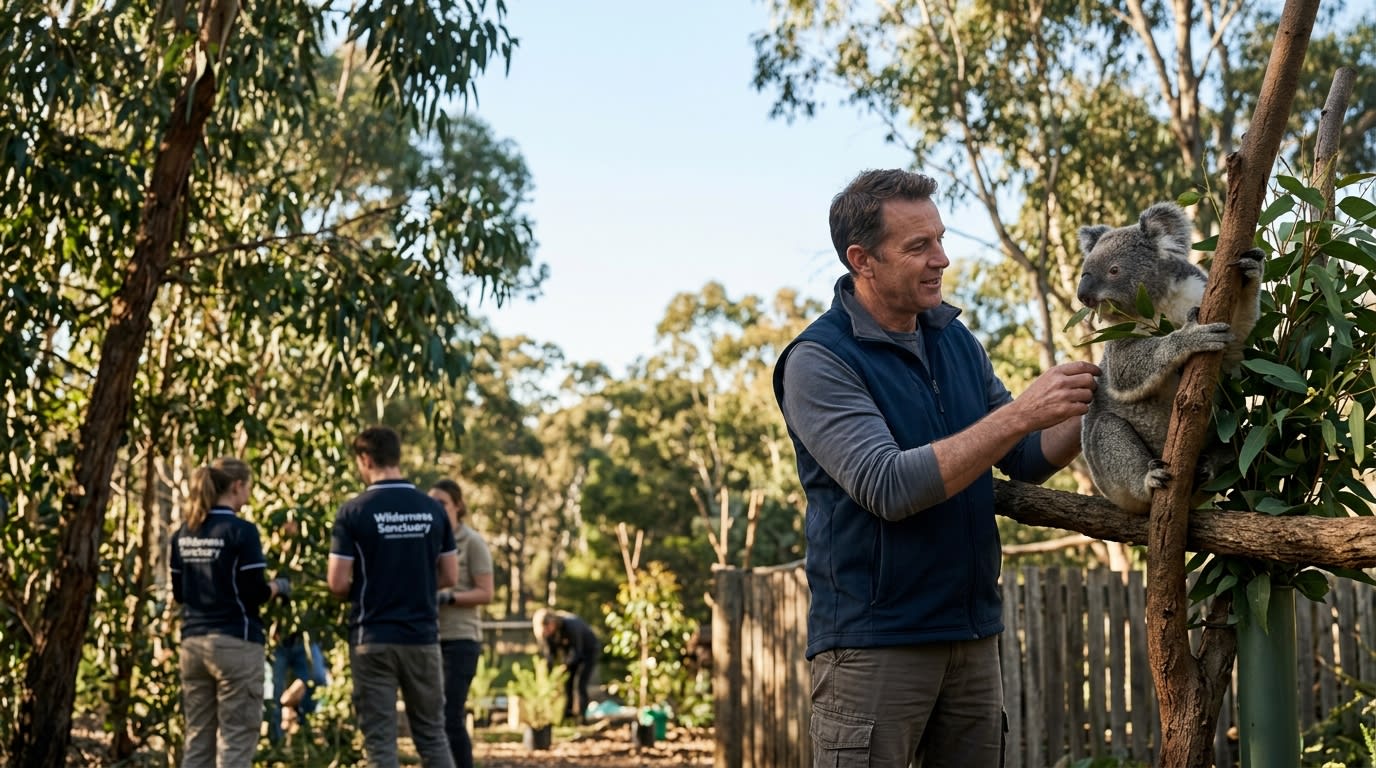
Hugh Jackman Backs Australian Sanctuary Campaign to Protect Koalas