US Geothermal Breakthrough Offers Blueprint for India's Green Energy Future
US engineers have created the world's hottest enhanced geothermal system in Oregon, a breakthrough offering continuous, clean power and a model for India.

Engineers in the United States have achieved a significant milestone in renewable energy, successfully connecting two deep wells beneath Oregon's Newberry volcano to create the world's hottest enhanced geothermal system. This groundbreaking project demonstrates the potential to harness immense heat from deep within the Earth, offering a continuous, fuel-free power source that could be vital for nations like India striving for energy independence and sustainability.
Developed by Mazama Energy, this pioneering endeavour involved drilling and linking wells that tap into rock formations reaching an extraordinary 629 degrees Fahrenheit (approximately 332 degrees Celsius). This achievement surpasses all previous attempts in enhanced geothermal technology, establishing a new benchmark for extracting energy from extremely hot, deep geological reservoirs.
The success paves the way for future expansion, with Mazama Energy planning to drill three additional wells by 2026. The ultimate goal is to unlock "superhot rock" resources, enabling round-the-clock electricity generation without the environmental impact of burning fossil fuels. Unlike intermittent sources like solar and wind, geothermal power offers reliable, baseload energy, a critical advantage for stable power grids.
For India, which is rapidly expanding its renewable energy capacity and aims for net-zero emissions, this development holds particular relevance. While geothermal energy currently plays a minor role in India's energy mix compared to solar and wind, advanced systems like the one in Oregon could offer a blueprint for future exploration. Harnessing such high-temperature geothermal resources could provide a consistent power supply, complementing India's existing renewable initiatives and bolstering its energy security.

17-Year-Old Innovator Develops Wearable for Vehicle Detection
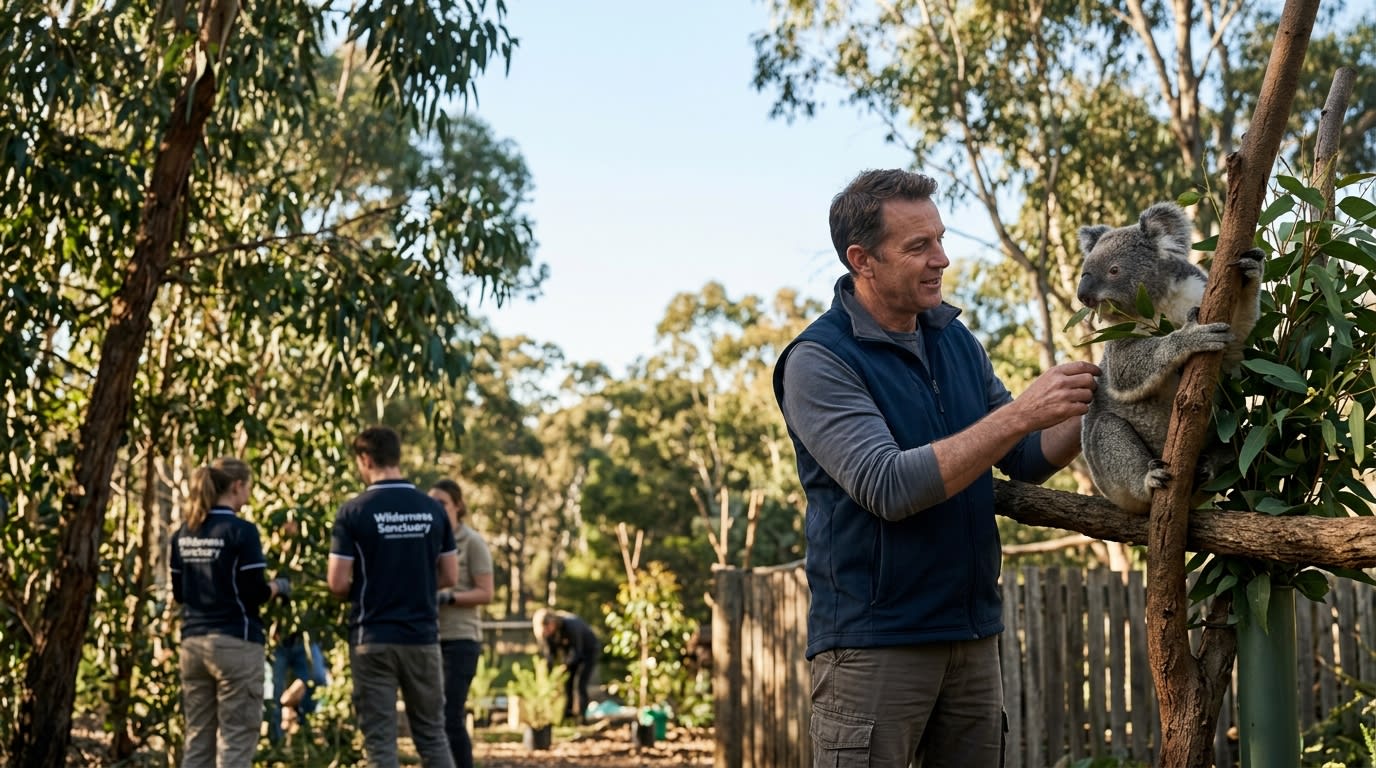
Hugh Jackman Backs Australian Sanctuary Campaign to Protect Koalas