Alarming Pesticide Levels Threaten Endangered Australian Cockatoos
A new study reveals endangered Carnaby's black cockatoos in Australia are consuming food with pesticide levels hundreds of times above legal limits, potentially causing paralysis.
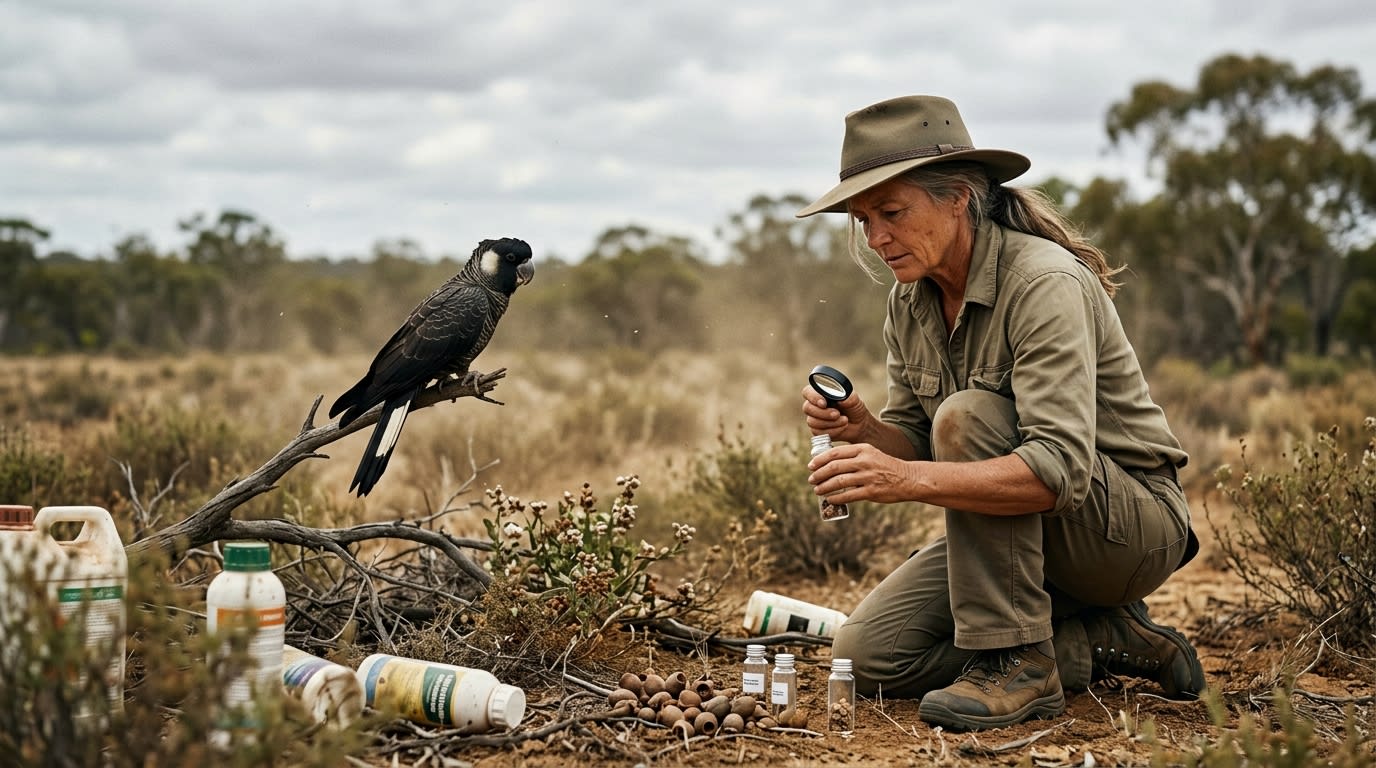
A new study has revealed a severe threat to Australia's endangered Carnaby's black cockatoos, with their food sources found to be heavily contaminated with pesticides. Researchers tracking these iconic birds over three breeding seasons discovered alarming levels of toxic chemicals, posing a significant risk to their survival.
Seed samples collected from the cockatoos' diet showed pesticide concentrations far exceeding permissible limits, in some instances by hundreds of times. Among the detected substances were neurotoxic compounds, some of which are already banned in several European regions due to their severe environmental and health impacts.
This widespread chemical exposure is now being investigated as a potential cause for a troubling "paralysis syndrome" observed in the endangered birds. The Carnaby's black cockatoo population has been declining, and this contamination adds another critical challenge to conservation efforts aimed at protecting the species.
While this crisis unfolds in Australia, it underscores a global concern regarding pesticide regulation and its devastating consequences on biodiversity. For India, a nation rich in its own diverse wildlife and agricultural practices, this report serves as a stark reminder of the importance of stringent environmental safeguards and sustainable farming methods to protect vulnerable species from similar threats. The interconnectedness of ecosystems means that environmental degradation anywhere can have lessons for everywhere.

Marine Life to Aid Cyclone Forecasting: Scientists Explore Sharks as Ocean Data Collectors

Benjamin Franklin's Enduring Wisdom: Valuing Knowledge Above All in Science
