Supreme Court Expresses Reluctance Over PIL on Exam Paper Leaks, Questions Judicial Scope
The Supreme Court of India has indicated its hesitation to entertain a Public Interest Litigation concerning widespread exam paper leaks, questioning the extent of judicial intervention in such admini
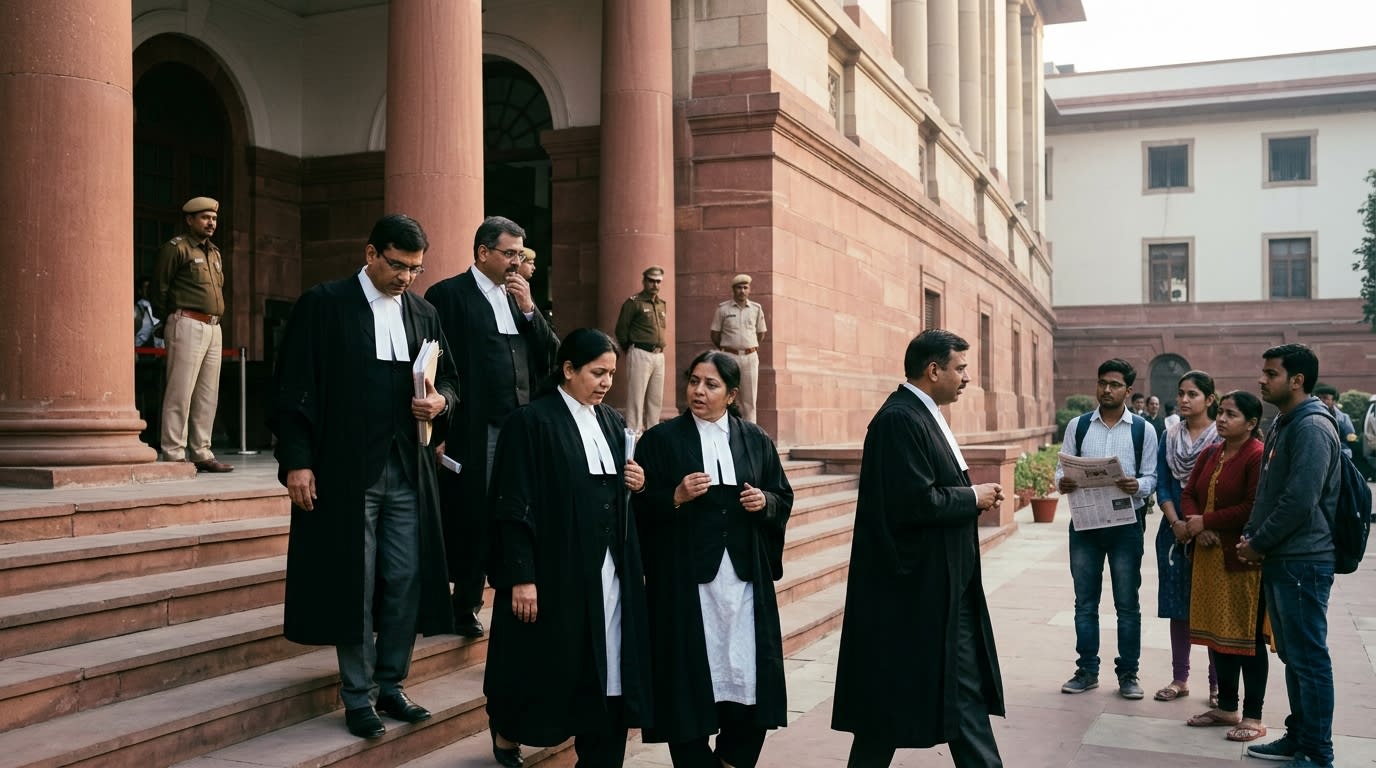
Supreme Court Questions Efficacy of PILs on Exam Paper Leaks
The Supreme Court of India has expressed significant reluctance to entertain a Public Interest Litigation (PIL) aimed at addressing the persistent issue of examination paper leaks across the country. During recent proceedings, the apex court questioned the practical limits of judicial intervention, asking what and how much courts can effectively achieve in preventing such incidents.
The bench reportedly deliberated on whether judicial orders could genuinely curb the administrative and systemic failures often responsible for these leaks. The court's observations underscore a broader concern regarding judicial overreach into areas primarily falling under the purview of the executive and legislative branches. This stance suggests the judiciary's preference for executive bodies to implement robust preventive measures.
Paper leaks have become a recurring and distressing problem in India, plaguing numerous competitive and recruitment examinations conducted by various state and central agencies. These incidents often lead to the cancellation of exams, significant delays, and immense stress for lakhs of aspiring students whose futures depend on these tests. The integrity of the examination system, a cornerstone of fair opportunity, is severely compromised by such malpractices.
The apex court's queries highlight a critical debate about the separation of powers and the most effective mechanisms for governance. While acknowledging the gravity of the issue and its profound impact on youth, the Supreme Court appears to be seeking clarity on the boundaries of its remedial powers, suggesting that systemic reforms and stringent enforcement by administrative authorities might be the more sustainable solution rather than judicial directives.
This development places the onus firmly on government bodies to devise and implement fool-proof systems to safeguard the sanctity of examinations. The court's stance is likely to prompt a renewed focus on administrative accountability and technological solutions to mitigate the risk of future paper leaks, ensuring a level playing field for all candidates across India.

Jharkhand Protests Escalate: Five Injured in Assembly March Over Exam Irregularities

Devendra Nath Mahato Joins Jharkhand Assembly Gherao, Warns Against Violence
